- calendar_today April 25, 2026
Midwest—A pioneering effort is underway in the Midwest to address the persistent shortage of rural health care providers by supporting native youth medical careers. The Mashkiki Maaginigan program, led by the University of Minnesota, is blending traditional Indigenous knowledge with modern health education to inspire Native youth from the White Earth Reservation and surrounding areas.
Addressing Rural Health Care Shortages
Native health care providers have long been underrepresented, both in Minnesota and at the national level. According to national data, Native Americans account for less than 0.5% of all physicians in the United States. This significant gap contributes to ongoing native health disparities and limited access to quality care in rural communities. The Midwest’s focus on nurturing medical aspirations among Native youth is seen as an important step towards culturally relevant healthcare and local workforce sustainability.
Culturally Rooted Health Education
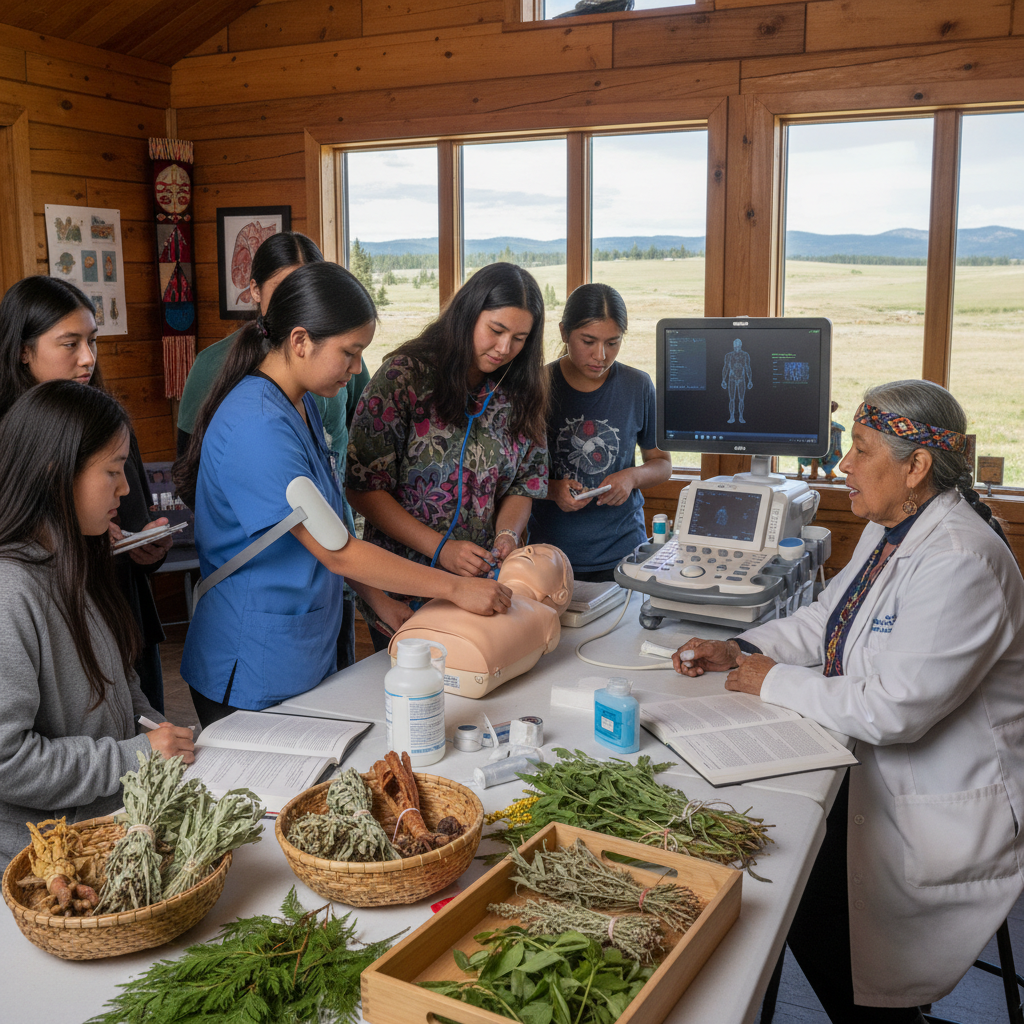
The Mashkiki Maaginigan program is spearheaded by Megan Lhotka, a community health liaison, and is unique in its approach to native health care. The program meaningfully integrates native healing practices with western medicine, allowing participants to engage with workshops and classes that honor their traditions while also offering essential hands-on experiences. This holistic and culturally responsive model of native youth health education has garnered praise from tribal leaders and educators across the region.
Building Medical Career Pathways for Native Youth
Since its inception, more than 100 Native students from the White Earth Reservation and neighboring communities have taken part in Mashkiki Maaginigan’s year-round offerings. Through exposure to career fields including nursing, phlebotomy, and psychiatry, participants are introduced to multiple medical career pathways. Experiential learning and mentorship are central, providing youth with skills, confidence, and real-world perspectives on employment in healthcare professions.
Strengthening Community Ties
Collaboration is at the heart of the program’s mission. The health education program works closely with schools, parents, and tribal partners to shape curricula and support student aspirations. This community-driven approach has encouraged engagement and retention, with the Midwest’s strong tradition of regional cooperation helping to multiply the program’s reach.
Expanding Regional Partnerships
Through a $200,000 grant from the Medica Foundation, the University of Minnesota has been able to expand Mashkiki Maaginigan’s resources and partnerships. Plans are in motion to share the program’s model with other tribal nations throughout the Midwest, further strengthening rural health care systems. As more communities adopt this approach, the prospects for native medical training—and the recruitment of future Native health professionals—are set to grow.
Shaping the Next Generation of Providers
The overall objective is clear: increase the representation of Native Americans in healthcare while respecting the roots of their traditions. For students, the program opens doors to advanced study and employment, with many expressing a commitment to return to their communities as health care providers. Local educators have reported improved student engagement and heightened interest in sciences as a result of Mashkiki Maaginigan’s presence in their schools.
Looking Ahead
Regional leaders and health advocates highlight the significance of investing in programs that align medical education with cultural values and rural needs. The Mashkiki Maaginigan initiative stands as a model for how institutions like the University of Minnesota can empower Native youth and reduce barriers within health systems. As the program continues to evolve, its impact on the Midwest’s health landscape—and especially the White Earth Reservation—offers hope for more equitable and representative care in Native communities.