- calendar_today April 28, 2026
An early-morning ambulance moose collision in the Midwest has called attention to the persistent dangers posed by wildlife on rural roadways. The incident occurred on April 27, 2026, near Ely, Minnesota—a region well-known for its abundant moose population—when an ely ambulance service vehicle transporting a patient collided with a cow moose along Highway 169.
Ambulance Strikes Moose on Highway 169
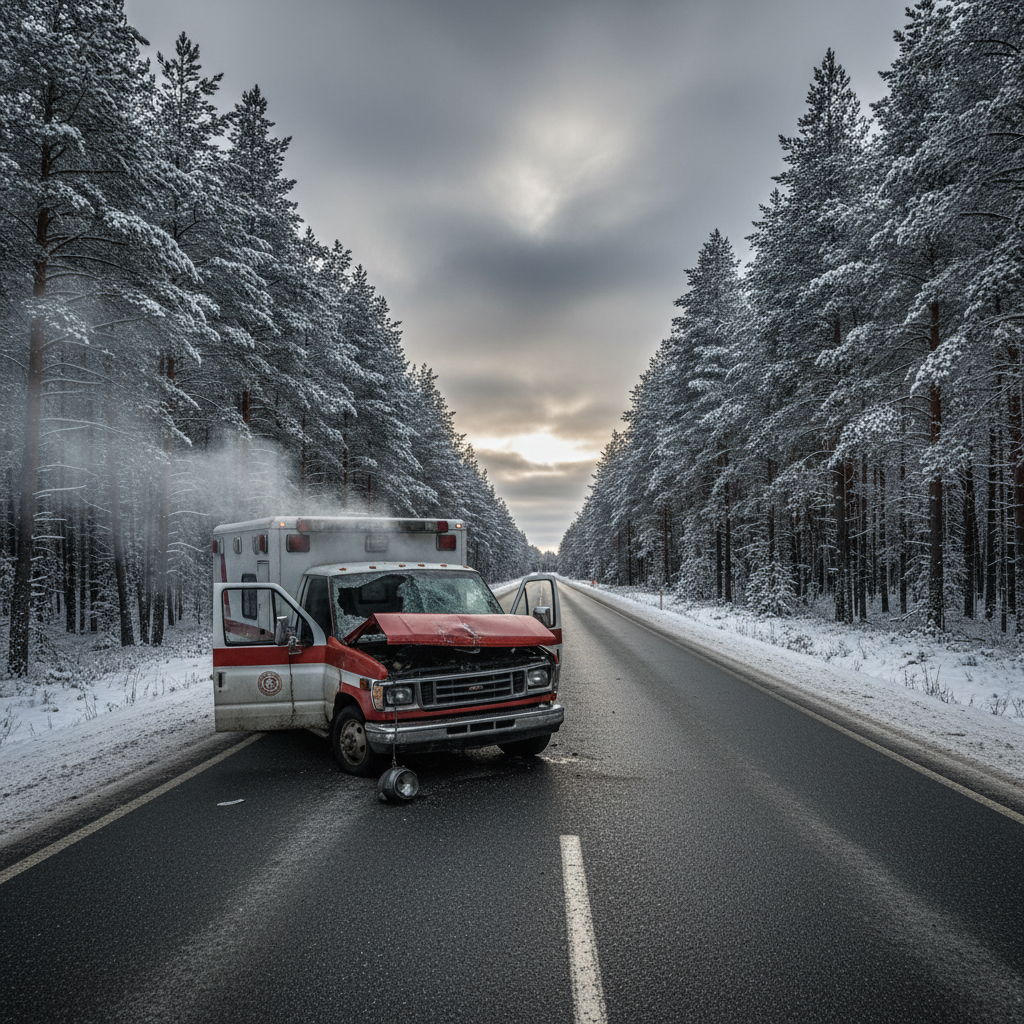
Emergency response teams reported that the ambulance was en route from the Iron Range to Duluth with a patient onboard. As the vehicle proceeded westbound, a large moose appeared unexpectedly in the lane. Despite efforts by the ambulance driver to brake, the vehicle struck the animal at approximately 45 miles per hour. The impact sent the moose onto the windshield, triggering the airbag, and forcing the vehicle off the road into a ditch. Thankfully, both crew members and the patient escaped with only minor injuries, according to officials.
Immediate Response and Vehicle Damage
The ambulance crash resulted in substantial damage, rendering the Ely Area Ambulance vehicle unusable. A loaner unit is expected to replace it soon, ensuring continued medical transportation services in the region. Emergency personnel—including the Ely Area Ambulance crew, Morse Fall Lake Fire and First Responders, Ely Police Department, St. Louis County Sheriff’s Department, and Minnesota State Patrol—responded rapidly to the scene, highlighting strong inter-agency cooperation in the Midwest.
Moose Accident Spotlights Roadway Wildlife Risks
Collisions involving large animals are a steadfast concern along regional highways. The recent wildlife vehicle crash has renewed focus on efforts to prevent similar incidents. Roadways within moose habitats, particularly in northern Minnesota, are frequent sites of wildlife collision events that threaten both motorists and animals. Local authorities encourage drivers to remain alert, particularly during peak wildlife movement periods at dawn and dusk.
Community Coordination and Moose Meat Distribution
Following official protocol, local agencies obtained the required permit for moose meat distribution after the accident. The meat was divided among emergency personnel involved in the response, ensuring nothing was wasted. Any parts of the animal unsuitable for consumption were donated to the International Wolf Center in Ely, supporting regional conservation and wildlife care efforts. This pragmatic approach underscores the community’s respect for natural resources while also benefiting area institutions.
Emergency Personnel’s Role in Incident Management
Effective emergency response was credited with minimizing harm during the moose accident. The collaboration between ambulance crews, fire and rescue members, police officers, county sheriffs, and state troopers exemplifies the coordinated effort necessary in challenging and unpredictable situations like an ambulance accident. Their prompt actions ensured the safety of the patient and the public, cementing the importance of readiness for roadway wildlife encounters in the Midwest.
Continued Focus on Wildlife Safety
The ambulance moose collision serves as a stark reminder of the unpredictability local drivers face in wildlife-rich regions such as Ely and greater Midwest communities. Authorities urge drivers to maintain vigilance, reduce speeds in known animal crossing areas, and support public education around wildlife safety. Ongoing cooperation among emergency agencies remains essential for protecting both residents and visitors traveling through northern Minnesota’s unique natural landscapes.