- calendar_today August 9, 2025
The escalating U.S.–China trade dispute in 2025 is rippling through global markets, and the economic aftershocks are landing squarely in the American Midwest. Known for its agricultural output, manufacturing prowess, and energy infrastructure, the region is uniquely exposed to the fallout of renewed tariffs, export controls, and geopolitical uncertainty.
With President Trump reinstating aggressive trade policies and Beijing responding with retaliatory tariffs and resource restrictions, investors in Midwestern states—spanning Illinois, Indiana, Iowa, Missouri, Michigan, Ohio, Wisconsin, and beyond—are facing growing pressure to reassess their financial strategies.
A Breakdown of the 2025 Trade Escalation
In early April, the U.S. imposed a sweeping 54% tariff on a range of Chinese imports, including industrial equipment, semiconductors, and automotive components, citing trade imbalances and national security.
China’s retaliation was swift and strategically targeted:
34% Tariffs on U.S. Goods:
Effective April 10, China imposed 34% tariffs on American exports, directly impacting Midwestern agriculture and industrial sectors. (Source: Reuters)
Rare Earth Export Controls:
China further escalated the conflict by restricting exports of rare earth minerals to the U.S., critical for use in EV production, wind energy systems, and aerospace industries deeply rooted in the region. (Source: The Times of India)
WTO Complaint Filed:
A formal complaint filed by China at the World Trade Organization challenges the legality of the new U.S. tariffs, signaling a potentially prolonged trade conflict. (Source: Deccan Herald)
Sectoral Impact Across the Midwest
Agriculture at the Forefront
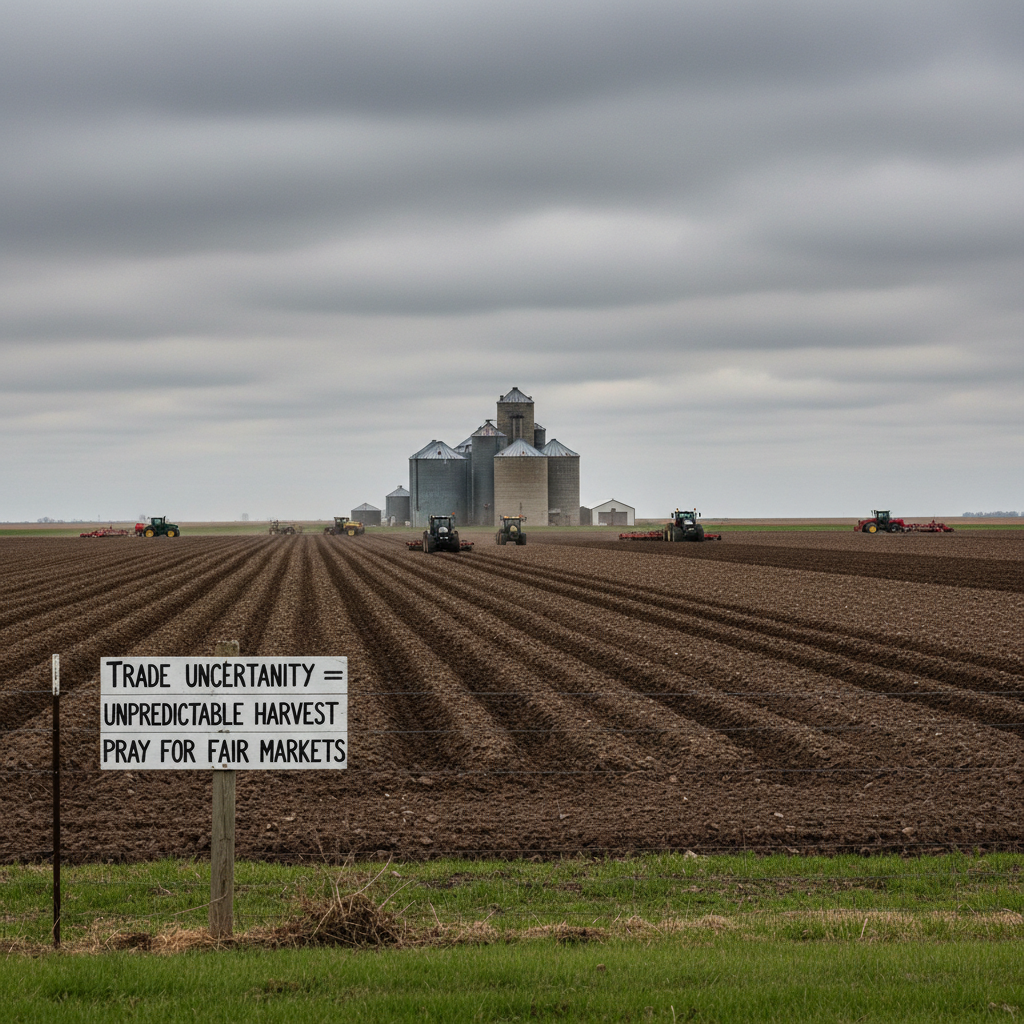
Midwestern states form the backbone of America’s farm economy. Soybeans, corn, pork, and dairy products are among the key exports now targeted by China’s retaliatory tariffs. Early 2025 data shows a 59% drop in U.S. soybean exports, according to the USDA, with Midwestern producers taking the brunt of the hit as China shifts purchases to South America.
Farmers across Iowa, Nebraska, and Indiana are grappling with lower commodity prices and tightening profit margins.
Manufacturing & Auto Supply Chains Disrupted
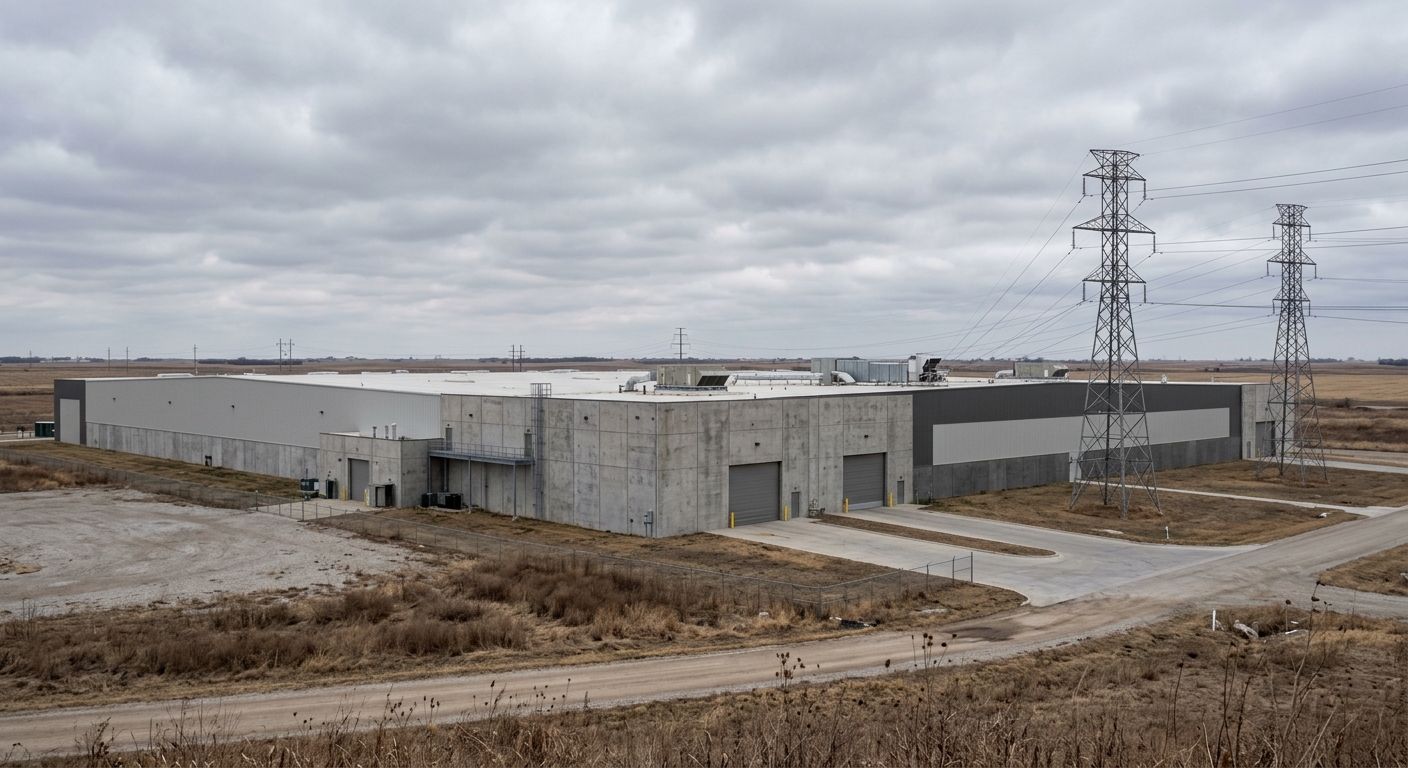
The region’s extensive manufacturing base—including automotive, heavy machinery, and aerospace sectors—is facing input cost increases and shipment delays. Companies with operations in Detroit, Toledo, and St. Louis are now reassessing sourcing strategies amid rare earth shortages and rising tariffs.
Energy Sector Ripple Effects
The Midwest is expanding its wind and renewable energy footprint, but reliance on Chinese components for turbines and battery systems has raised concerns. Developers and utilities in states like Kansas and Minnesota are encountering procurement challenges and project delays due to rare earth export controls.
What Midwest Investors Should Do Now
In response to trade-induced volatility, financial advisors across the Midwest are recommending the following steps:
1. Diversify Beyond Trade-Exposed Industries
Avoid concentrated exposure in sectors heavily reliant on Chinese demand or supply chains. Shift toward domestic-focused firms with limited global exposure.
2. Look to U.S.-Based Growth Opportunities
Companies benefiting from reshoring, federal infrastructure spending, and energy independence policies may perform well. Midwestern logistics, materials, and regional banks could benefit from this pivot.
3. Add Stability Through Defensive Assets
REITs, dividend-paying stocks in utilities and healthcare, and Treasury Inflation-Protected Securities (TIPS) can add resilience and income to a volatile portfolio.
4. Stay Informed and React Strategically
Closely monitor developments in trade policy, earnings reports, and commodity price shifts that disproportionately affect the Midwest. Reacting early can be the difference between mitigating risk and compounding losses.
The Road Ahead
For the Midwest, the economic terrain of 2025 looks increasingly shaped by global policy decisions. Trade tensions with China are straining agricultural exports, raising costs for manufacturers, and threatening clean energy expansion—all foundational elements of the regional economy.
Still, Midwestern resilience is rooted in adaptation. As new federal policies emerge and global alliances shift, investors who remain vigilant, diversified, and locally informed can navigate the uncertainty and uncover new paths to growth.
Stay with us for continued market coverage tailored to the Midwest’s dynamic investment landscape.