- calendar_today August 9, 2025
In 2025, the commercial real estate (CRE) market in the Midwest is beginning to break free from the stagnation that gripped much of the nation over the past three years. After navigating pandemic disruptions, rising interest rates, and remote work shifts, many Midwestern cities are seeing stabilizing vacancy rates, increased leasing activity, and growing investor interest in sectors such as industrial, healthcare, and mixed-use properties.
While the pace of recovery varies across states like Illinois, Ohio, Michigan, Indiana, and Minnesota, the region as a whole is adapting with a pragmatic, community-driven approach that’s redefining commercial space.
Industrial Real Estate Remains the Midwest’s Bright Spot
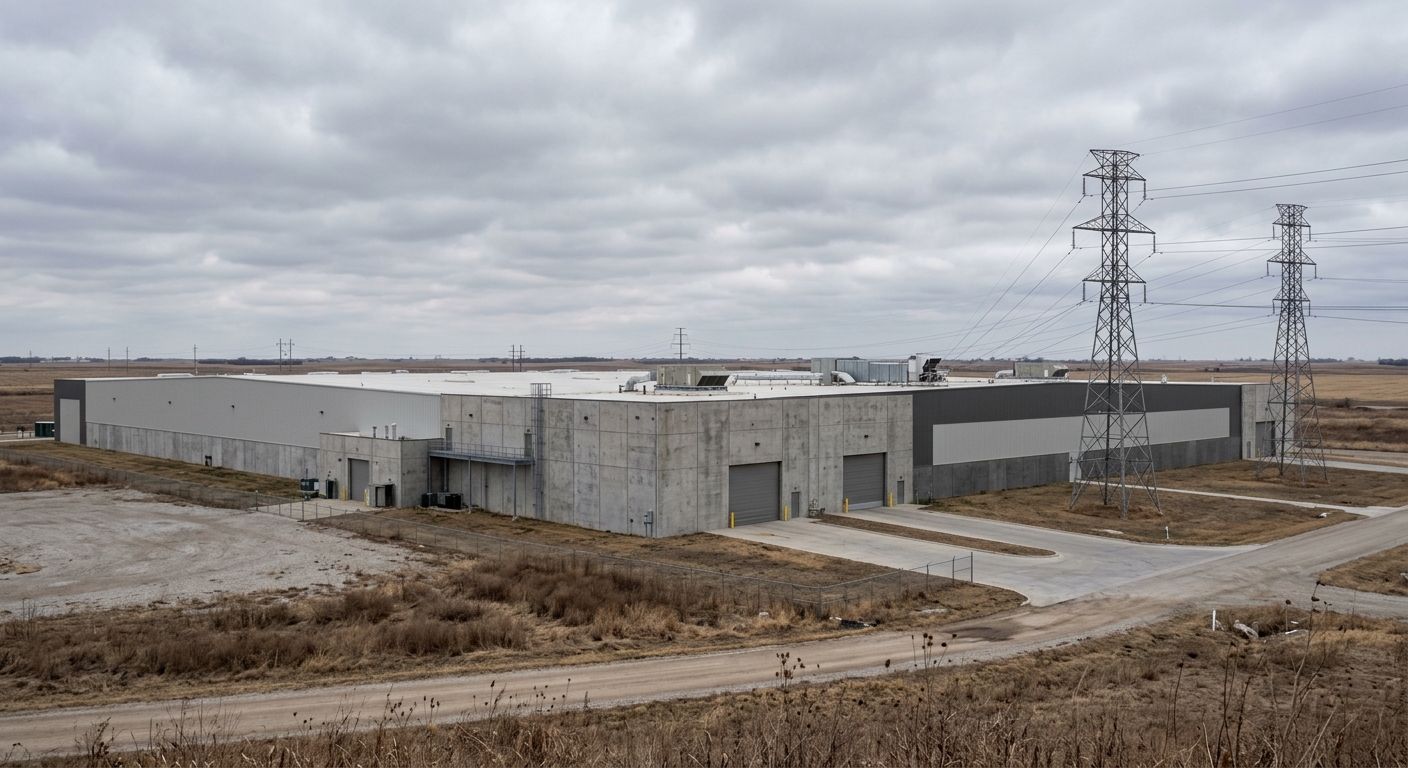
One of the most notable trends across the Midwest in 2025 is the continued strength of industrial real estate. E-commerce expansion, regional logistics hubs, and reshoring of manufacturing have bolstered demand for warehousing and distribution space in markets like Chicago, Columbus, and Indianapolis.
According to the Midwest Industrial Real Estate Report released this spring, vacancy rates for Class A logistics facilities have dipped below 4.5% across key Midwestern metros. This marks a healthy tightening compared to 2023 levels, reflecting how supply chains are now favoring central U.S. locations for fulfillment.
“Tenants are looking for stability and centrality. The Midwest offers both,” said Megan Laskey, regional director at CBRE in Cincinnati. “Whether it’s automotive supply in Michigan or medical logistics in Minnesota, industrial is leading the CRE recovery.”
Retail: Adaptive Reuse and Community Anchors Drive a New Narrative
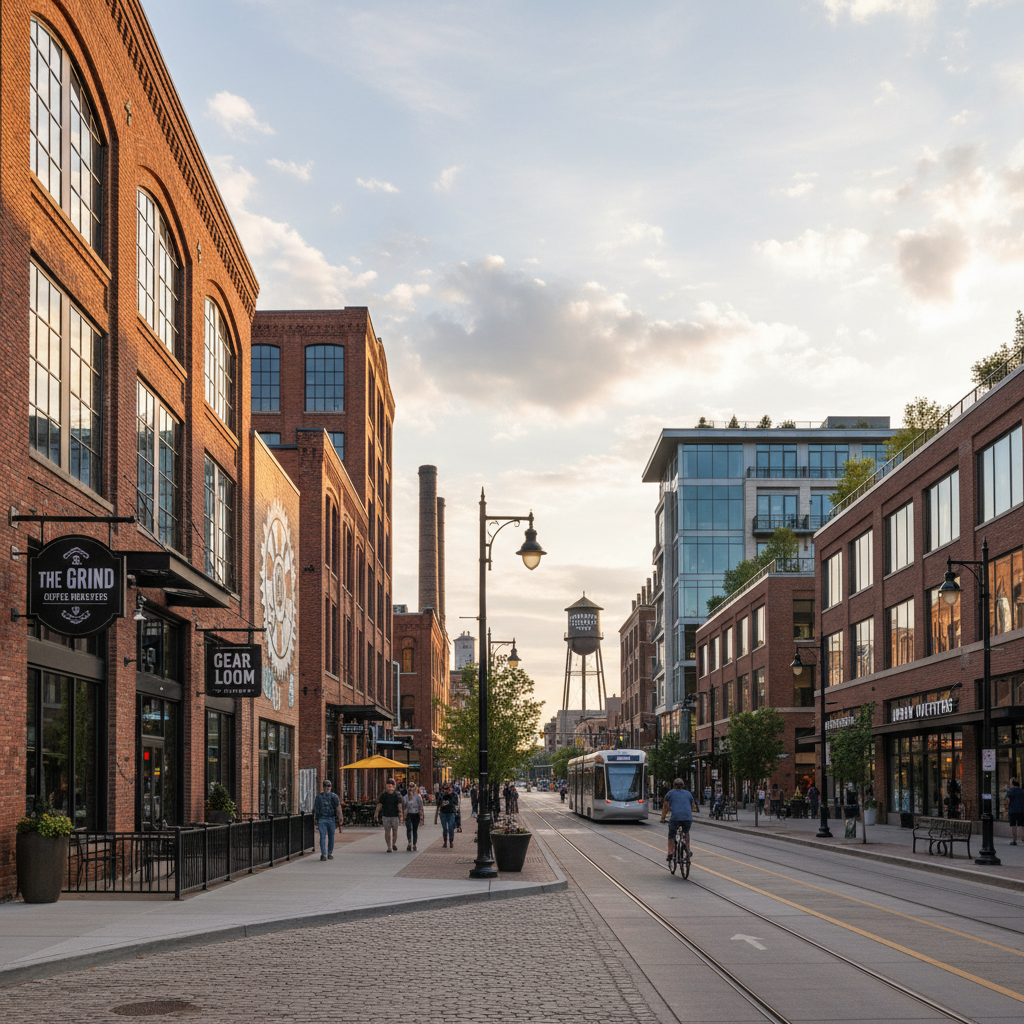
Retail spaces across the Midwest are undergoing a quiet transformation. Rather than sprawling developments, property owners are repurposing existing buildings to create mixed-use community hubs with grocery stores, healthcare clinics, and walkable dining options.
In Grand Rapids and Des Moines, suburban strip malls are being converted into multi-use retail-medical hybrids, with urgent care centers and fitness studios anchoring the space. This adaptive reuse is not only more cost-effective, but it also aligns with the growing consumer preference for convenience and local accessibility.
In downtown Chicago, retail leasing has seen a 7% quarter-over-quarter increase in 2025, according to data from Cushman & Wakefield. Notably, small business tenants are playing a role in revitalizing urban corridors, particularly in culturally diverse neighborhoods.
Office Space: Rebalancing, Not Rebounding
Unlike industrial and retail, the Midwest office market remains mixed. Occupancy levels in traditional business districts in cities like Chicago, Cleveland, and Milwaukee are still below 2019 levels, hovering between 60% and 70% as hybrid work becomes permanent for many firms.
However, suburban office parks in areas like Naperville, Illinois, and Dublin, Ohio, have experienced a surprising rebound in demand. Companies seeking shorter commutes and flexible lease terms are relocating to low-rise offices with modern layouts and wellness amenities.
“There’s no one-size-fits-all solution for office space anymore,” said Diane Krause, leasing manager at Midwest CRE Advisors. “Flexibility, sustainability, and neighborhood proximity are the new cornerstones of post-pandemic office strategy.”
Some landlords are also converting Class B office towers into residential or mixed-use space, with projects underway in downtown St. Louis and Minneapolis to repurpose older commercial buildings into workforce housing.
Healthcare Real Estate Expands in Secondary Markets
Another rising trend is the expansion of healthcare-focused commercial real estate, especially in smaller Midwestern cities. The aging population, along with the decentralization of healthcare delivery, is fueling demand for outpatient centers, urgent care clinics, and behavioral health facilities.
Markets such as Fort Wayne, Indiana, and Peoria, Illinois, are seeing new development of medical office buildings near residential zones, often supported by public-private partnerships. With health systems investing in regional access and telehealth integration, commercial developers are viewing healthcare as a long-term growth engine.
Healthcare REITs and private investors are increasingly targeting the Midwest for stable, recession-resistant returns. As of mid-2025, healthcare CRE transactions in the region are up 12% year-over-year, according to Colliers.
Regional Infrastructure Spending Adds Momentum
State-level infrastructure programs across the Midwest are providing additional tailwinds. Federal funding under the Bipartisan Infrastructure Law is fueling transit, broadband, and energy upgrades, which in turn are improving commercial corridors and business parks.
For example, Ohio’s Smart Mobility Corridor and Michigan’s electric vehicle battery plant expansions are spurring new CRE demand in adjacent industrial and research zones. In Wisconsin, revitalization of rural highways is opening up logistics corridors previously underserved by investors.
These improvements are also making Class C properties more viable for redevelopment. With lower acquisition costs and upgraded connectivity, investors are beginning to see potential in overlooked markets from Rockford, Illinois to Youngstown, Ohio.
Investment Activity: Still Cautious, But Growing
Despite pockets of strength, the investment landscape remains cautious in 2025. Higher borrowing costs continue to dampen appetite for speculative development, especially in the office sector. However, cap rates are beginning to stabilize, and value-add opportunities are attracting both local and institutional buyers.
Markets with diverse economies—such as Minneapolis–St. Paul, Columbus, and Kansas City—are leading in terms of deal volume. Multifamily conversions, industrial expansion, and retail-to-medical reuse projects are especially appealing to Midwest-focused funds.
“There’s no boom happening, but there’s definitely a shift in sentiment,” noted Amir Jalil, a regional acquisitions analyst for a Chicago-based CRE firm. “We’re seeing stronger fundamentals, especially when assets are aligned with regional growth trends.”
Outlook: Steady, Strategic, and Regionally Driven
The Midwest commercial real estate recovery in 2025 isn’t making headlines with record-breaking deals or towering developments. Instead, it’s unfolding gradually, grounded in regional strengths, adaptive reuse, and long-term resilience.
Unlike coastal markets that often swing between extremes, the Midwest’s real estate ethos is cautious, community-focused, and pragmatic. Developers and investors here are betting on people-first designs—spaces that support how Midwesterners live, work, shop, and heal.
If trends continue, the region may become a model for sustainable CRE revival—one that’s not about dramatic reinvention but about steady evolution tailored to regional needs.