- calendar_today August 12, 2025
A Return to Fundamentals in America’s Heartland
In 2025, the Midwest is experiencing a quiet but meaningful shift in real estate investment. Often overshadowed by coastal volatility and Sun Belt speculation, the region is proving its long-standing strength: affordable housing, economic diversity, and consistent demand.
Data from the National Association of Realtors Midwest Region shows a 3.9% increase in home sales this February, with top activity in cities like Indianapolis, Des Moines, Columbus, Kansas City, and Milwaukee. Many of these markets are attracting first-time homebuyers and investors alike due to their relative price stability and robust job markets.
With mortgage rates holding near 6% and inflation easing to 2.8%, buyers are once again engaging—but they’re doing so with careful planning rather than urgency. For investors, that means a greater focus on cash flow, tenant demand, and long-term market fundamentals.
Build-to-Rent Expands into Regional Growth Zones
The build-to-rent (BTR) model, once heavily concentrated in Arizona, Texas, and the Carolinas, is now gaining traction in the Midwest—particularly in suburban Indiana, Iowa, and Missouri.
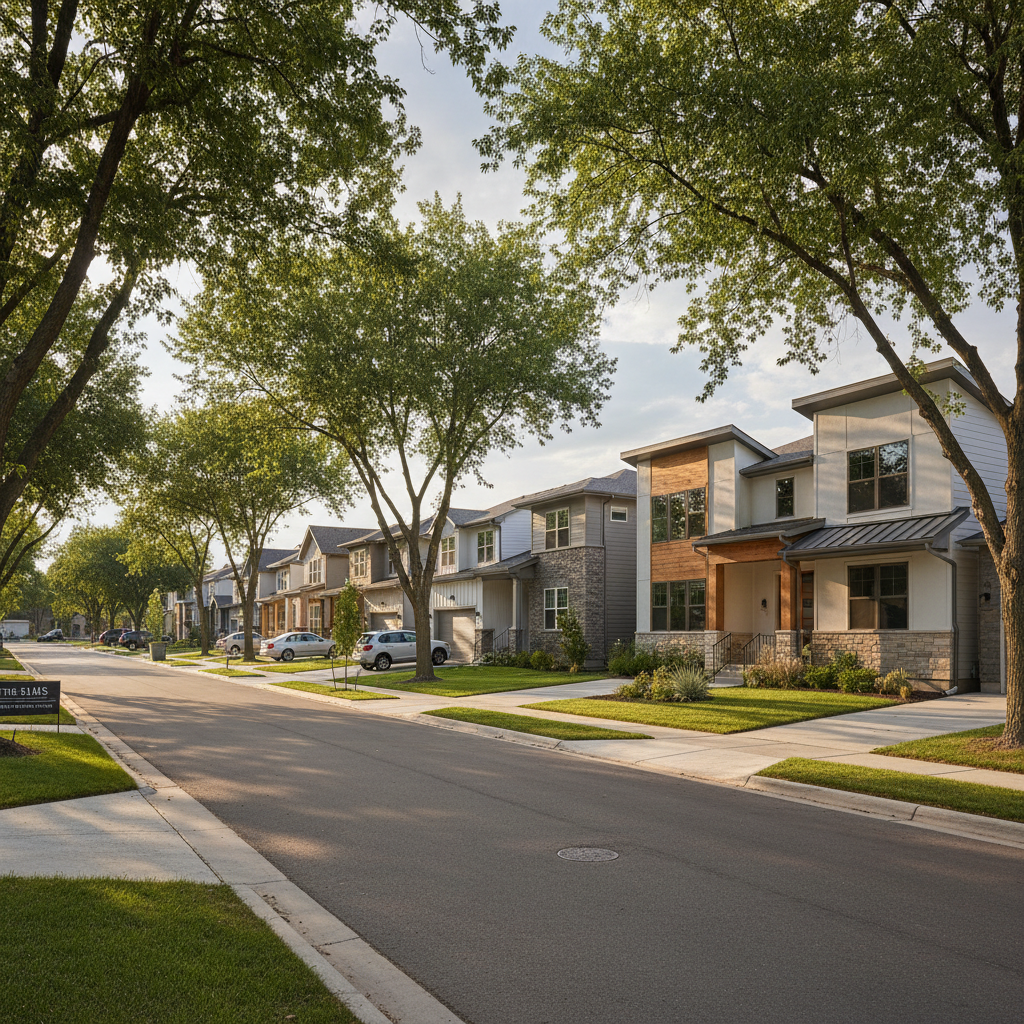
In Waukee, Iowa, a development of 130 single-family rental homes opened this spring with a 98% pre-lease rate. A similar project near St. Charles, Missouri is targeting empty nesters and young families who seek rental flexibility with home-style living.
These BTR developments are often anchored by affordability and convenience. They offer the kind of housing that’s increasingly hard to find: energy-efficient, low-maintenance, and located near schools, parks, and logistics hubs.
A developer involved in a project outside Fort Wayne, Indiana, shared that “the Midwest is the best-kept secret for rental investors—it’s where the numbers work, and the tenants stay.”
Secondary Cities Fueling Investment Momentum
Mid-sized and secondary cities across the Midwest are capturing investor interest for offering above-average rental yields and improving economic indicators.
In Cedar Rapids, recent flood protection investments and tech corridor expansion have spurred both commercial and residential redevelopment. Investors are acquiring small multifamily properties near downtown and converting older homes into modern rentals.
Fargo, often underestimated, is seeing rapid population growth, thanks to its mix of university-driven demand and cross-border migration from Minnesota. Duplexes and townhouses in the metro area are fetching top rental prices, with minimal vacancy.
Meanwhile, cities like Springfield (Illinois) and Lansing (Michigan) are benefitting from state-led housing grants and increased demand from public sector employees and healthcare workers.
Mortgage Rates Create Measured Optimism
The Federal Reserve’s steady hand on rates is allowing for more confident decision-making, particularly in affordable regions. Unlike overheated coastal markets, where a slight rate hike can slash affordability, the Midwest remains widely accessible for entry-level buyers and investors.
Even with rates around 6%, the average mortgage payment in most Midwest cities remains under $1,800—a significant discount compared to the national median. This has kept investor competition healthy but not overheated, particularly in states like Ohio, Wisconsin, and Indiana, where investors are still able to buy under appraised value in many cases.
Commercial Real Estate Realigns Around Industry and Infrastructure
The commercial sector in the Midwest is adapting rather than contracting. While traditional office space continues to underperform in legacy downtown cores like St. Louis and Detroit, other sub-sectors are booming.
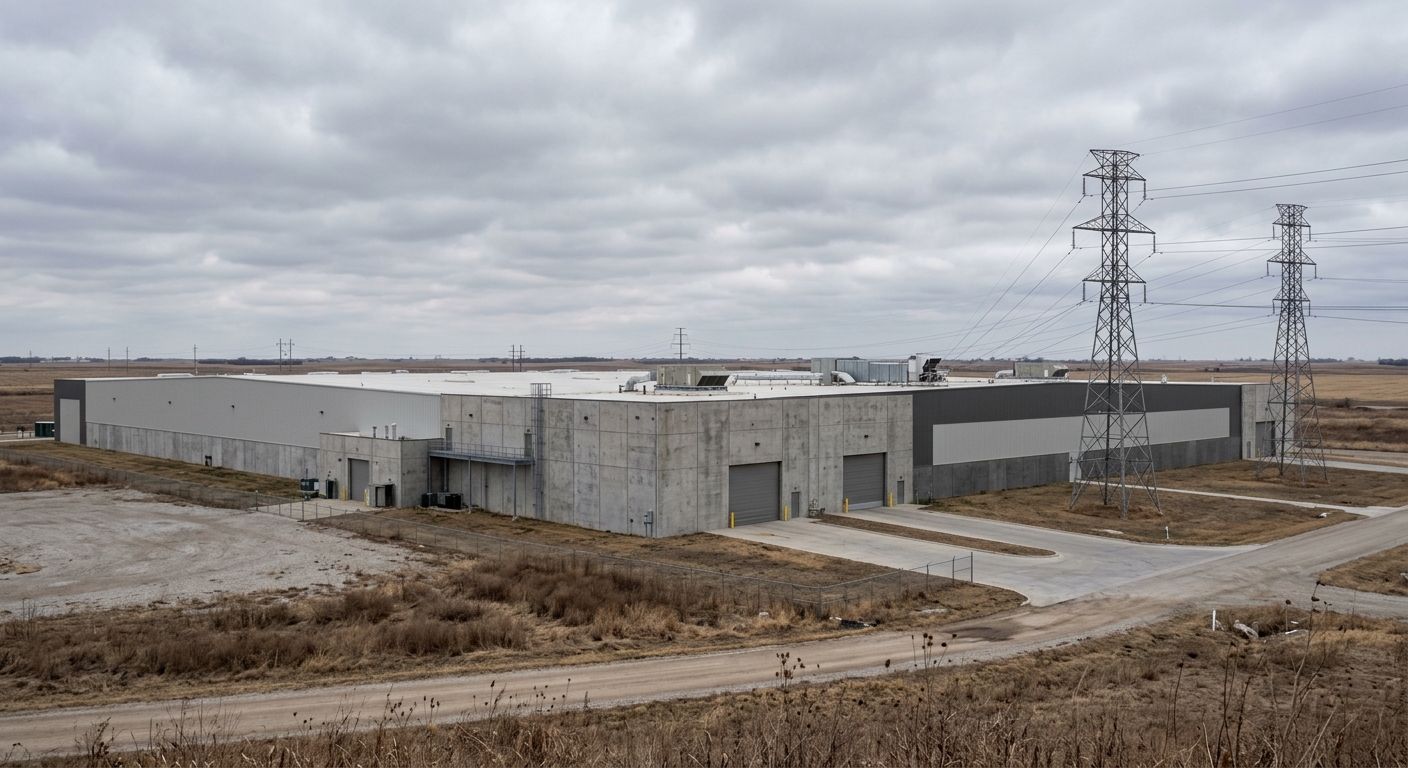
Industrial real estate remains the region’s crown jewel. The I-70 corridor through Missouri and Ohio, the I-80 corridor through Illinois and Iowa, and the Twin Cities’ southern belt have seen massive investment in warehousing, manufacturing, and cold storage. Much of this growth is tied to e-commerce, food logistics, and advanced manufacturing.
In Minneapolis, older retail strip centers are being repurposed into hybrid spaces—blending coworking, boutique retail, and even micro-apartments. A project in Bloomington turned a vacant big-box store into a flexible commercial village, housing startups, nonprofits, and a community grocer.
REITs and Passive Investment in the Midwest
REITs and ETFs with Midwest exposure continue to gain favor, particularly among conservative investors seeking stability over speculation.
The Vanguard Real Estate ETF (VNQ), which holds significant industrial assets in Chicago, Columbus, and Kansas City, has outperformed retail-heavy peers. Meanwhile, regional investment firms are launching funds specifically targeting workforce housing in Midwestern metros, appealing to institutions and high-net-worth individuals seeking long-term income.
A 2025 mid-year report from Mid-America Real Asset Advisors noted that cap rates in Midwest logistics and multifamily properties have remained remarkably consistent—even as national volatility rattled REIT portfolios tied to office space or high-cost coastal cities.
Trends to Monitor Through the End of 2025
Several developments are likely to shape the Midwest’s investment landscape moving forward:
- Federal infrastructure funding for road, broadband, and utility improvements across rural counties
- Tech corridor expansion in cities like Columbus, Madison, and Kansas City tied to university research hubs
- Migration inflows from younger families relocating from expensive coastal states to quality-of-life regions in the Midwest
- Climate risk adaptation, especially in flood-prone zones along the Mississippi River and Great Lakes shoreline communities
As one Cincinnati-based investment strategist noted, “The Midwest is no longer just the stable backup—it’s becoming the primary strategy for investors who understand where America is really moving.”
With a growing population, robust logistics networks, and an increasingly skilled workforce, the Midwest offers a compelling case for investors who value steady returns, reliable tenants, and future-ready cities.
For monthly updates on Midwest housing data, investment reports, and market intelligence, subscribe to the Heartland Real Estate Briefing.