- calendar_today August 16, 2025
As the financial capital of the Midwest, Chicago continues to shape cryptocurrency regulation across the region in 2025. The city’s established derivatives markets, led by the CME Group’s record-breaking Bitcoin futures volume in the second quarter, provide a foundation for institutional crypto activity. Illinois regulators have reinforced this position by establishing one of the nation’s first dedicated cryptocurrency enforcement units, creating a model for neighboring states.
“Chicago sets the tone for Midwest regulation,” explains a Federal Reserve Bank of Chicago economist. The city’s dual role as both a financial hub and regulatory center has made it a bellwether for other Midwestern states considering their own approaches to digital asset oversight. This influence extends beyond Illinois’ borders, with several states reportedly consulting Chicago-based experts when crafting their policies.
The Midwest’s farming heartland has emerged as an unlikely leader in practical blockchain adoption. Nebraska and Iowa now host 17 commodity trading platforms utilizing smart contracts, a dramatic increase from just three platforms in 2024 according to Chicago Mercantile Exchange data. These agricultural applications have gained particular traction in grain trading, where blockchain’s transparency has reduced payment disputes by 35% in pilot programs.
“Farmers appreciate blockchain’s transparency in grain contracts,” notes an Iowa State University agricultural economist. The technology has proven especially valuable for tracking organic and specialty crops, where provenance and quality assurances command premium prices. Several major agricultural cooperatives have begun integrating blockchain solutions into their operations, signaling broader acceptance across the region’s farming sector.
Industrial States Attract Crypto Mining
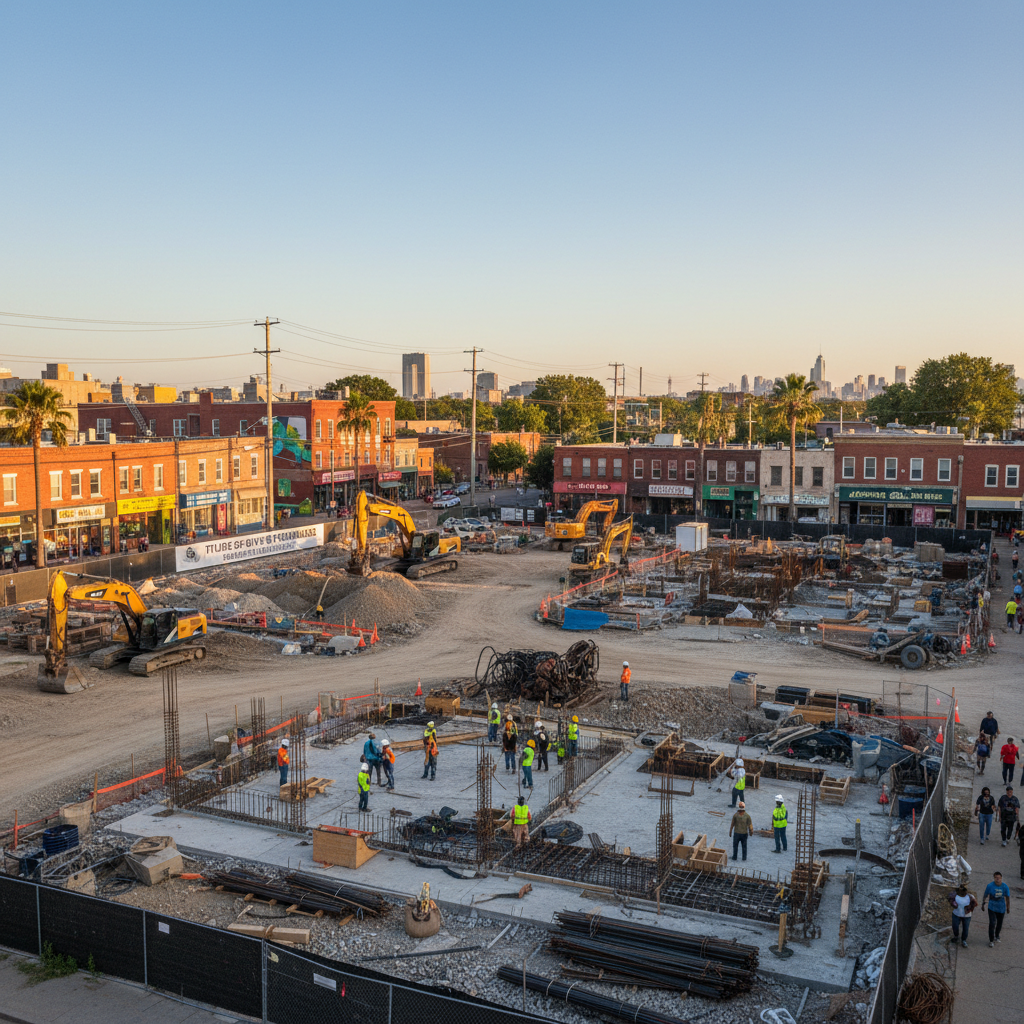
Former manufacturing hubs across Ohio and Indiana have found new economic life through cryptocurrency mining operations attracted by the region’s low energy costs. Ohio’s tax incentives for renewable-powered mining have drawn $120 million in investments since January 2025, with companies repurposing abandoned industrial sites for mining facilities.
However, this mining boom has sparked environmental concerns, particularly regarding proposals to reactivate retired coal plants specifically for cryptocurrency operations. Environmental groups have challenged several projects, creating tension between economic development goals and sustainability initiatives. The debate reflects broader questions about how industrial Midwest communities can best participate in the digital economy while addressing ecological concerns.
Political Divides Shape Regulatory Approaches
The Midwest exhibits stark contrasts in cryptocurrency regulation that mirror its political geography. Missouri and Kansas have maintained minimalist regulatory frameworks in 2025, while Michigan and Minnesota have proposed comprehensive oversight regimes. This divide has created opportunities for regulatory arbitrage, with some crypto businesses strategically locating operations near state borders to optimize their compliance requirements.
“Red states favor innovation, blue states prioritize oversight,” observes a University of Michigan policy researcher. The variation has led to an uneven regulatory landscape across the region, though recent discussions about a potential multi-state regulatory sandbox suggest growing interest in regional coordination.
Community Banks Embrace Crypto Services
An unexpected development in 2025 has been the quiet emergence of Midwest community banks as leaders in cryptocurrency services. Over sixty small banks across the region now offer crypto custody through third-party partnerships, according to the Conference of State Bank Supervisors. This trend has been particularly strong in rural areas where banks view digital asset services as a way to remain competitive.
“Rural banks see crypto as a way to stay relevant,” explains a Nebraska banking commissioner. The adoption has been most pronounced in agricultural communities, where farmers and agribusinesses increasingly demand access to digital financial tools. This grassroots banking innovation contrasts with the more cautious approach taken by larger regional financial institutions.
Future Prospects for the Heartland
The Midwest’s unique combination of agricultural applications, energy resources, and financial infrastructure positions it as a potential dark horse in America’s cryptocurrency landscape. Several developments could amplify this role in the coming months, including a proposed regional regulatory sandbox involving five states and continued expansion of blockchain in agricultural supply chains.
Perhaps most intriguing is cryptocurrency mining’s potential to revitalize struggling industrial towns. Several communities have already seen economic benefits from mining operations moving into vacant manufacturing facilities, though long-term sustainability remains uncertain.
As federal cryptocurrency legislation looms, Midwest lawmakers face the challenge of preserving the region’s competitive advantages while implementing appropriate consumer protections. The balance they strike could have implications far beyond the heartland, potentially influencing national policy in America’s ongoing effort to harness cryptocurrency’s potential while mitigating its risks. The Midwest’s pragmatic, solutions-oriented approach may ultimately provide a model for how diverse regional economies can participate in the digital asset revolution.