- calendar_today August 21, 2025
Midwest Semiconductor Market Shaken as Wolfspeed Share Crashes
Introduction
The semiconductor world is in for a huge upset as Wolfspeed, a leading chip manufacturer, has seen its stock prices dive to record lows. The decline has shaken the Midwest, an area of a thriving tech and manufacturing sector that relies on breakthroughs in semiconductors. Investors, businesses, and politicians are now attempting to interpret what this free fall means for the future of the industry.
What Contributed to the Stock Crash for Wolfspeed?
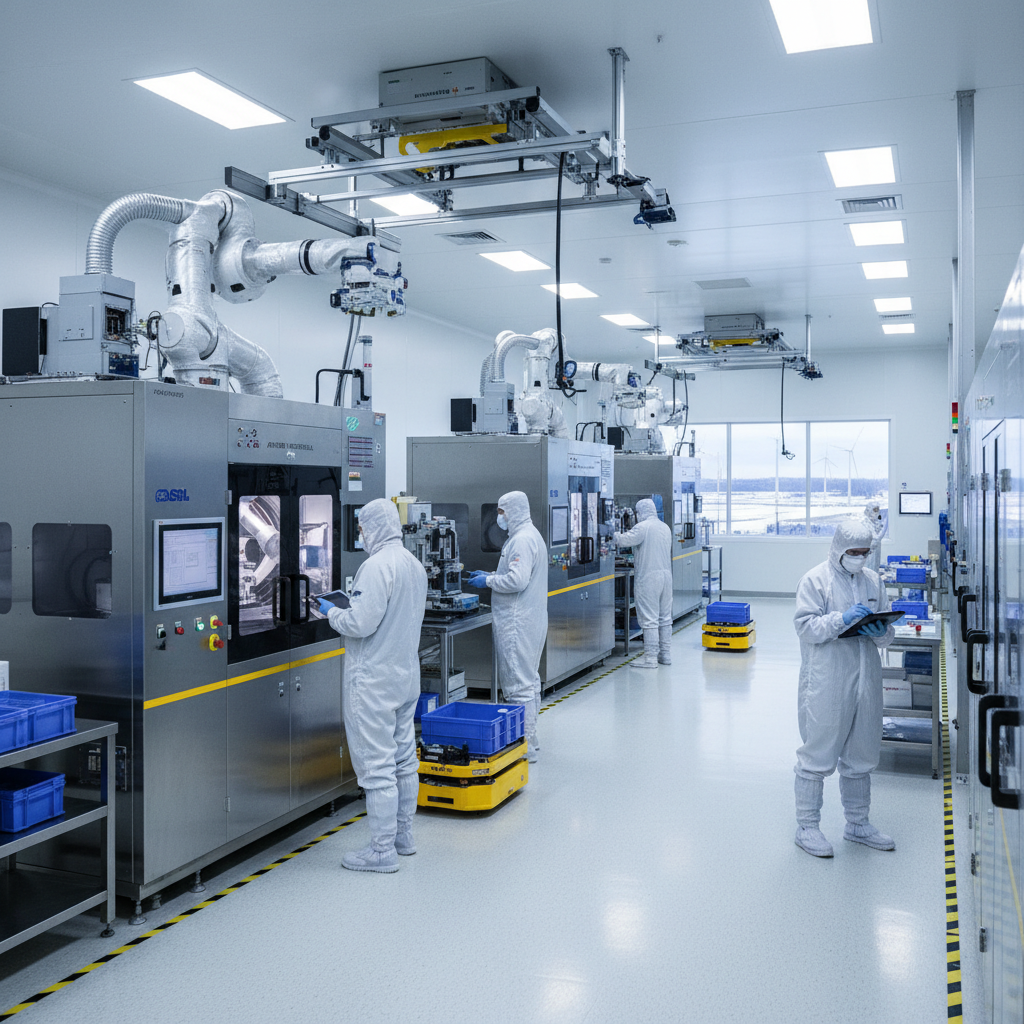
Wolfspeed is a leading firm in the semiconductor sector, producing silicon carbide chips used in electric vehicles (EVs), industrial equipment, and other premium technologies. The company has had some issues in the past, however, which led to the decline in the value of its stock. Some of the glaring reasons include:
- Supply Chain Issues – Global shortages of raw materials have increased expenses and lowered output, making it harder for Wolfspeed to match demand.
- Competition in the Strong Market – Rivals like Intel, TSMC, and Nvidia remain the market leaders, causing Wolfspeed to find it tough to grow its market share.
- Weak Demand for EV Chips – When electric car demand falters in some markets, Wolfspeed’s sales have taken a hit.
- Financial Issues – The company has experienced lower-than-projected earnings, and its investors are concerned about its growth potential.
These collectively have caused the stock of Wolfspeed to drop precipitously, raising concerns about the stability of the company.
Effect on the Midwest Semiconductor Market
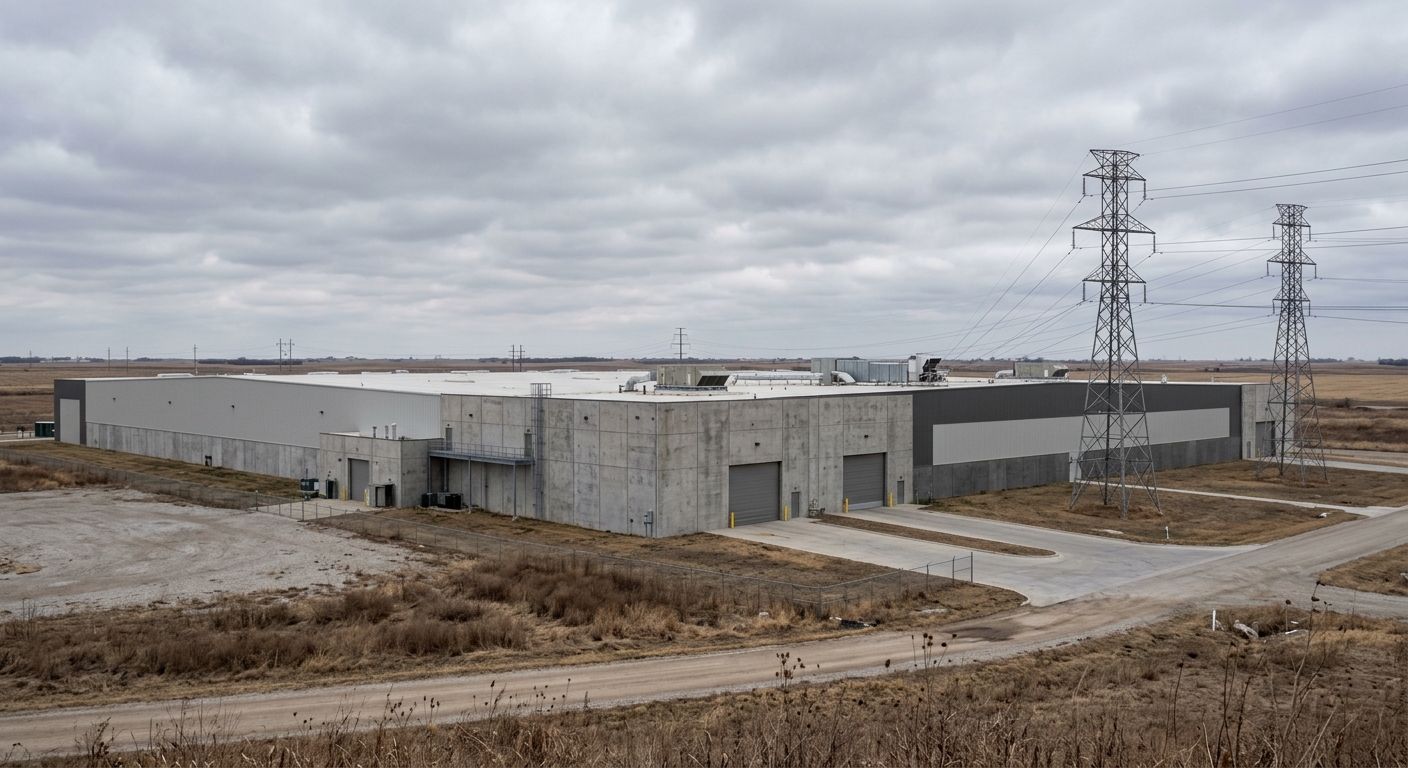
The Midwest has been strongly investing in the semiconductor sector, and Ohio, Michigan, and Illinois have been attempting to attract chip makers and related technology companies to their respective states. Wolfspeed’s failure can have strong impacts on the region:
- Investor Confidence Loses Steam – The majority of investors in the Midwest have invested in the semiconductor companies with an expectation of strong growth. With the failure of Wolfspeed, some might reduce investment in the industry in the future.
- Job Market Problems – If Wolfspeed cuts expansion plans, employment generation in the region, especially in technological and manufacturing sectors, could be impacted.
- Supply Chain Disruptions – Many Midwestern businesses depend on semiconductor component suppliers like Wolfspeed. If the company is in trouble, there would be cost delays and increased local manufacturer prices.
- Government Tax Incentives in Question – States that provided tax breaks and subsidies to semiconductor companies may rethink their strategy if growth in the industry slows.
How Other Semiconductor Companies Are Reacting
Whereas Wolfspeed’s fall has brought uncertainty, other chipmakers are responding differently:
- Intel Invests More – Intel has been building new chip factories in the United States, including Ohio, signaling long-term optimism for semiconductor demand.
- Nvidia sets its eyes on AI Chips – Nvidia, another behemoth chipmaker, is shifting its focus to artificial intelligence (AI), a growth market that can counter weaknesses in other areas.
- TSMC Expands U.S. Facilities – Taiwan Semiconductor Manufacturing Company (TSMC) is also increasing its U.S. manufacturing capacity to reduce foreign dependence on production.
These companies are repositioning themselves for shifting markets and could benefit from Wolfspeed’s woes if they can capture more of the marketplace.
What’s In Store for Wolfspeed and the Midwest Semiconductor Industry?
While the situation at hand is not very promising for Wolfspeed, there remains hope for a comeback. Some of the things that could occur are:
- New Investments and Partnerships – Wolfspeed can seek new investors or alliances to strengthen its bottom line.
- Government Support – The state and federal governments have been pushing for local semiconductor production. Wolfspeed could find support in the form of grants or policy reforms.
- Market Rebound – If demand for electric cars and high-end chips increases, Wolfspeed’s fortunes are likely to rebound in the future.
For the Midwest semiconductor industry, magic lies in adaptability. Companies and investors will need to learn how to adapt to changing market conditions and seek new opportunities in AI, green energy, and other tech fields.
Conclusion
The collapse of Wolfspeed’s stock has shaken the Midwest chip economy, sending shock waves for investors, companies, and politicians. While things are bleak, the region’s tech economy keeps growing, and there are opportunities for those who are ready to adapt. Whether Wolfspeed remains or whether other chipmakers assume its role is unclear, but this much is certain—the semiconductor business will continue to be one of the biggest drivers of economic growth in the Midwest.