- calendar_today August 22, 2025
Introduction
Lululemon, a global giant of high-end activewear, is confronting new challenges as economic volatility, soft demand, and increasing tariffs affect its operations. In the American heartland, consumers in the Midwest—Chicago to Columbus—are also changing their shopping behaviors.
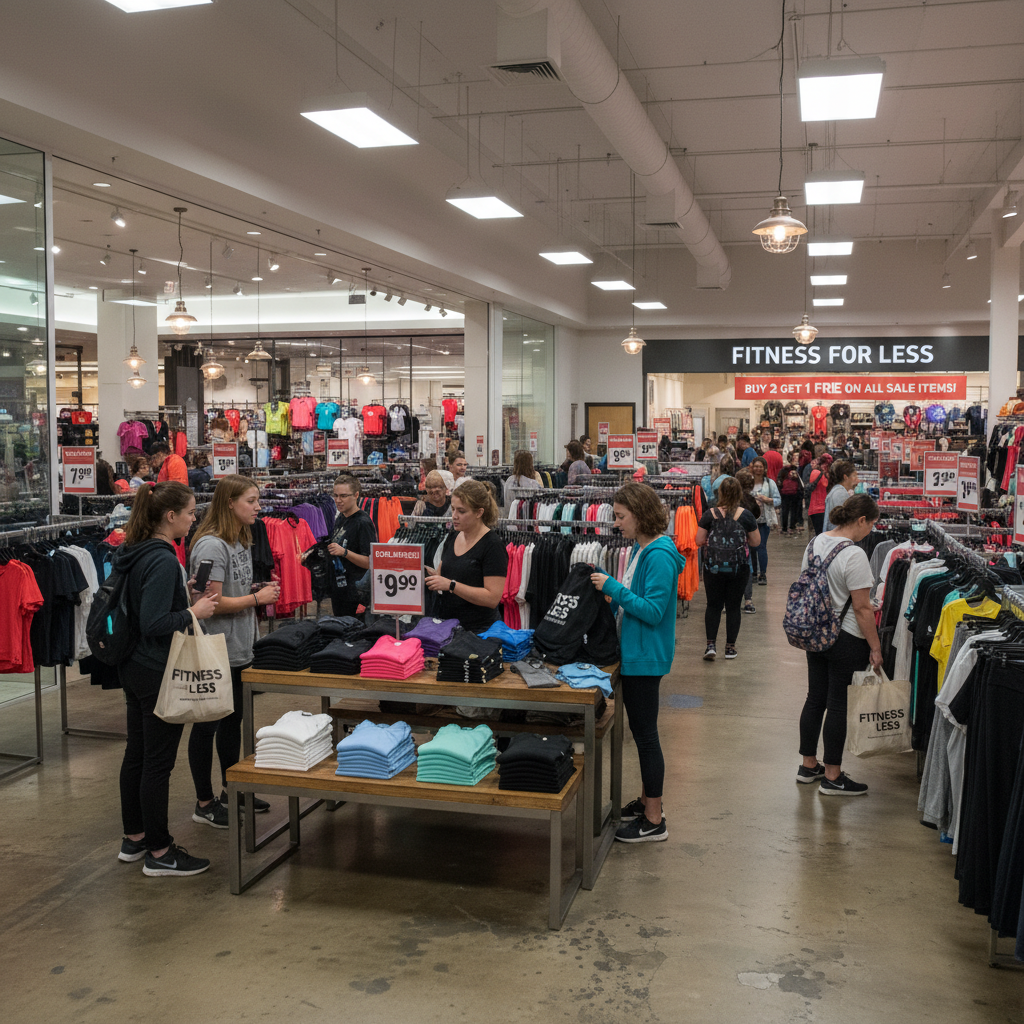
As the premium athleisure category constricts under inflationary and policy pressures, consumers throughout the region are turning toward value-oriented alternatives, reconfiguring the activewear universe along the way.
Why Is Lululemon Struggling?
Traditionally positioned as a status symbol within fitness fashion, Lululemon currently confronts a number of significant headwinds:
Decreasing Consumer Demand
Inflation and economic hardship are inducing consumers to make necessary purchases rather than luxury clothing.
Tariff Pressures
Soaring import costs on some fabrics are driving up production expenses, making Lululemon’s already premium prices even less affordable.
Growing Competition
Value brands—both established players such as Adidas and upstarts—are winning over customers seeking quality without the cost.
Financial Volatility
Midwest families, particularly in states with strong manufacturing bases, are cutting back spending in the face of fear of job insecurity and increasing living expenses.
How Midwest Shoppers Are Adapting
Retail analysts and local shopkeepers in Illinois, Michigan, and Ohio cite marked changes in consumer behavior:
1. Embracing Budget Brands
Midwestern consumers are making rational choices. Budget-friendly brands such as Nike, Adidas, and Target’s All in Motion offer the same style and comfort at half the price.
2. Coordinating Buys with Sales
Customers are holding out for holiday sales, seasonal promotions, and storewide markdowns to buy premium products, indicating greater price sensitivity.
3. Embracing the Secondhand Market
Secondhand marketplaces such as Poshmark, Facebook Marketplace, and consignment shops are experiencing increasing demand for second-hand Lululemon products, making luxury more accessible.
4. Shopping Local and Online
Some consumers are abandoning mainstream brands completely, opting instead for regional activewear brands or e-commerce newbies offering lower prices or more sustainable alternatives.
Retailers and Brands Respond
Lululemon and other premium athleisure brands are adapting to the new reality:
More Promotions
Regular sales, bundle deals, and loyalty points are being employed to encourage affordable purchases by price-sensitive consumers.
Product Line Expansion
Brands are launching mid-range price groups to reach a wider consumer base without cheapening their premium positioning.
Supply Chain Adjustments
In a bid to fight tariffs, some businesses are shifting production to tariff-free zones with the view to stabilizing prices and sustaining margins.
The Future of Athleisure in the Midwest
Even though Lululemon is struggling today, athleisure demand isn’t fading – it’s changing. Several future trends, experts predict:
1. Rise of Affordable Activewear
Look out for increased shoppers opting for fashion yet affordable options, particularly those that promise comfort and wearability without the designer tag.
2. Sustainable Fashion Focus
Environmentally responsible consumers are increasingly attracted to those brands that employ sustainable materials and fair manufacturing practices, a trend that may redefine activewear values.
3. Value-Driven Shopping on the Rise
While brand confidence falters, consumers are putting more focus on product quality, fit, and performance, over sheer name recognition.
Conclusion
While Lululemon struggles with declining demand and tariff-related cost issues, the Midwest shopper is demonstrating resilience. By opting for lower-priced brands, shopping secondhand, or hunting for bargains, consumers are moving away from high-end fashion for functionality.
The athleisure market has a message: to stay competitive, brands need to shift—providing value, variety, and vision in a shifting retail landscape.