- calendar_today August 24, 2025
In 2025, U.S. Midwest economists are sounding alarms on two rising threats: the decline in cotton production and the consequences of a revision to the Generalized System of Preferences Plus (GSP+). The threats are causing concern for farmers, manufacturers, and retailers, particularly in an industry that is prominent in American agriculture and industry.
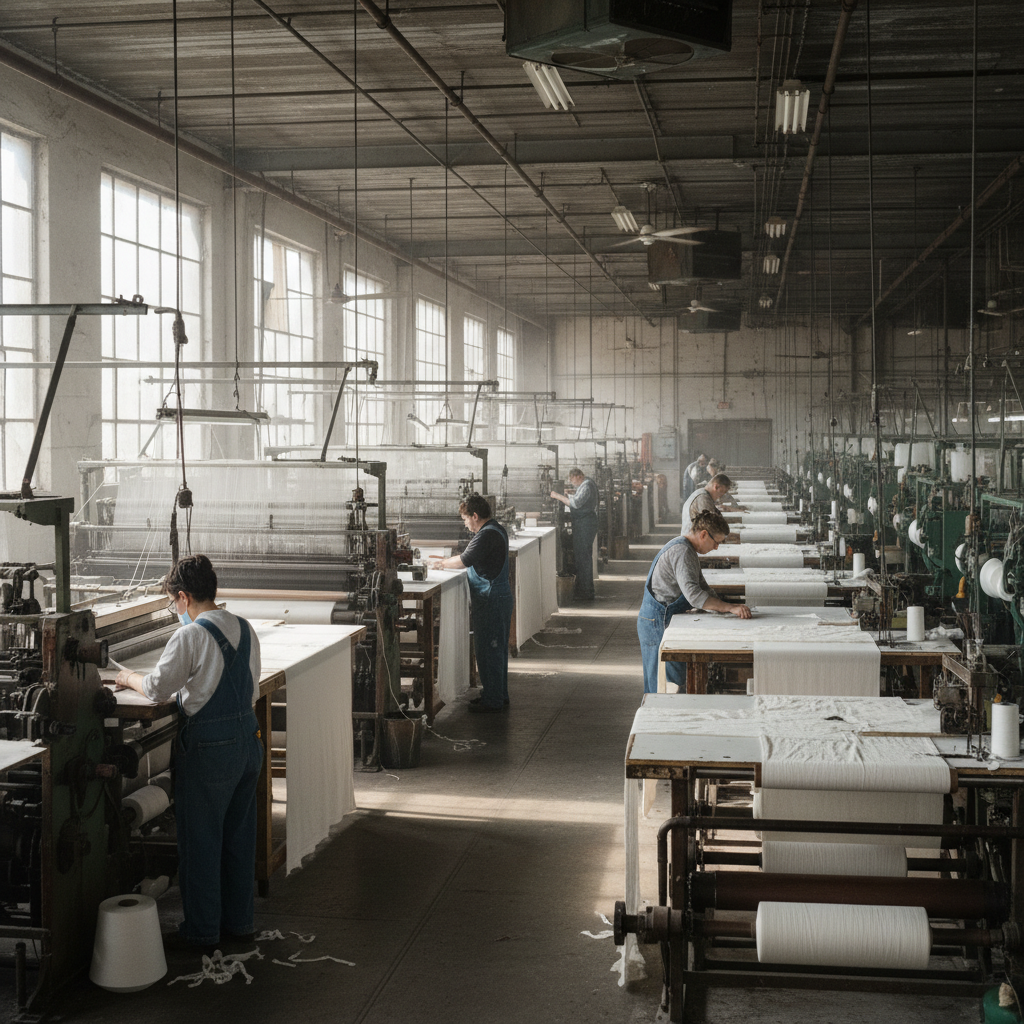
While the Midwest is not particularly famous for its cotton production, the heartland is still affected by ripple effects of cotton supply issues and changing trade patterns. As analysts caution, such changes have the potential to drive up costs of production, restrict access to raw material, and imperil long-term stability for critical sectors in the heartland.
Cotton Production in Trouble
The United States itself has experienced a sharp decline in cotton output over the past few years, primarily the result of disastrous droughts, erratic weather patterns, and increasing farming expenses. Cotton is dominated by southern states such as Texas and Mississippi, but the effect is being felt far from the fields themselves.
Based on early 2025 reports, U.S. cotton production is currently below by over 15% from last year. For Midwest textile producers and farm supply chains, the shortage translates into increased prices for cotton-related products, from yarn, fabric, and clothing material.
What Midwestern Economists Have to Say:
University of Illinois agricultural economist Dr. Karen Lutz says:
“Cotton’s not a Midwestern crop, but it’s highly tied to Midwestern industry. A lot of manufacturers in our region use imported cotton as a source for finished products and fabric treatment. A national shortage can cause production expenses to increase, inventory levels to decrease, and a loss of competitiveness.”
GSP+ Risk Adds to the Pressure
The other major emerging issue is the likelihood of loss or suspension of GSP+ preferences by a number of the United States’ largest textile import trading partners. GSP+ enables developing nations to sell certain products to the U.S. duty-free, provided they comply with certain labor and environmental requirements.
In 2025, a few major suppliers — namely Pakistan, Bangladesh, and Sri Lanka — are being evaluated for GSP+ eligibility. Any one of these nations losing its privileges would result in increased tariffs on textile and cotton-related imports.
Midwest Impact:
Midwestern companies that depend on low-cost imported inputs may experience cost pressures and supply chain disruptions. For instance, numerous small fashion brands, Illinois-based warehouse distributors, Michigan-based fabric suppliers, and Ohio-based warehouse distributors depend on large imports of South Asian textiles.
Minnesota-based Dr. Marcus Reed, a trade policy analyst, cautions:
Even a marginal change in GSP+ status could reverberate through our regional economy. Higher tariffs translate into higher costs for importers, and that ultimately hurts local businesses and consumers.”
Industries at Risk
A number of industries throughout the Midwest are being pinched as these events play out:
- Textile Manufacturing: Businesses that depend on imported cotton or pre-made fabrics are experiencing price increases.
- Retail: Local fashion brands and wholesalers could find it hard to provide low prices if the cost of imports increases.
- Logistics and Warehousing: Delay and increased cost of supply chains equal less profit for distribution networks.
Most companies now are reconsidering their supply chains, seeking new suppliers or even contemplating a switch to synthetic fibers—although these have their own environmental issues.
Short-Term and Long-Term Concerns
Economists say the collective effect of cotton shortages and trade uncertainty is more than a temporary headache—it has the potential to redefine how business is conducted throughout the region.
Short term:
- Shoppers can expect to pay more for cotton products.
- Small businesses would cut inventory or postpone product launches.
- Importers will halt or cancel shipments because of uncertainty in cost.
Long term:
- Midwest manufacturers could invest in automation or substitute materials.
- Some businesses may relocate operations overseas if domestic production is made too costly.
- States may be required to provide incentives to save jobs and assist companies in adjusting.
What Can Be Done?
Though there’s no quick solution, experts propose the following to cushion the impact:
- Federal Policy Support: Economists are calling on Washington to stabilize trade programs and provide advice for GSP+ decisions that won’t damage U.S. manufacturers.
- Investing in Resilient Supply Chains: Encouraging local sourcing or creating long-term partnerships with diverse partners may limit vulnerability.
- Innovation in Agriculture: While cotton is not cultivated in the Midwest, new developments in other textile crops or lab-grown materials might bring new opportunities.
Final Thoughts
The cotton shortage and GSP+ worries are more than headlines—they are real issues with real repercussions for the Midwest. Economists throughout the region are ringing the bell for attention, action, and adaptation.
As Dr. Lutz summarizes:
“Trade and agriculture go hand in hand in ways that many people don’t appreciate. What’s going on with cotton or trade policy can seem far removed, but it’s already coming onto the radar of Midwest businesses.”
For now, Midwest leaders, manufacturers, and economists are closely watching—hoping for stability, but bracing for change.