- calendar_today August 26, 2025
What’s Driving Dow Jones Futures in 2025?
Dow Jones Futures are a vital early indicator of market sentiment, and in the Midwest—home to a powerful mix of agriculture, manufacturing, energy, and logistics—investors are paying close attention. As 2025 unfolds, the region’s economic backbone is being tested by global uncertainty, shifting Federal Reserve policy, and uneven sector performance that’s influencing futures markets.
Economic Drivers Behind the 2025 Outlook
The U.S. economy is projected to grow steadily in 2025, but Midwest states like Illinois, Ohio, Michigan, Indiana, and Wisconsin are navigating economic headwinds from inflation, global trade, and lingering supply chain disruptions. From industrial cities to agricultural heartlands, the impact is varied but deeply felt.
- U.S. GDP growth projected at 2.1–2.4% for 2025 (Bureau of Economic Analysis).
- Inflation remains slightly above the Fed’s 2% benchmark, affecting everything from crop inputs to equipment costs.
- Post-pandemic supply chain shifts are still reverberating through the region’s logistics corridors, including critical hubs in Chicago, Minneapolis, and St. Louis.
Federal Reserve Policy and Interest Rate Projections
The Federal Reserve remains central to market direction in 2025. Across the Midwest, where capital-intensive industries dominate, borrowing costs are a top concern. Manufacturers, agricultural producers, and small business owners are watching closely for clues about rate cuts.
- Current Fed Funds Rate: 4.25%–4.50%.
- Some Fed officials signal a rate cut could come by September, depending on inflation trends.
- Tariff-driven inflation complicates the path forward, particularly for equipment-heavy industries across the Midwest.
Global Economic Uncertainty and Its Ripple Effects
From agricultural exports to automotive parts and machinery, the Midwest economy is deeply connected to global trade. Geopolitical tensions and weak overseas demand are causing caution across the region’s investment landscape.
- New U.S. tariffs on Chinese and Brazilian imports were introduced in July 2025.
- China’s uneven recovery continues to impact Midwest export markets, particularly soybeans, machinery, and raw materials.
- Middle East instability periodically disrupts oil markets, affecting manufacturing and transportation costs.
Sector-Wise Breakdown: Technology, Energy, and Healthcare
While the Dow spans all sectors, its performance in 2025 reflects sharp divergence, and these shifts are felt in the Midwest’s mixed economy. Investors in cities like Detroit, Indianapolis, and Milwaukee are watching sector movements closely.
- Tech stocks—led by names like Nvidia and Microsoft—continue to fuel index growth, though Midwest exposure to tech is limited outside of select hubs.
- Energy and industrial firms, which are prevalent in the region, face ongoing pressure from pricing volatility and regulatory uncertainty.
- Healthcare, supported by major medical centers in places like Cleveland and Rochester, shows resilience amid increased biotech investment.
Investor Sentiment: What the Data Tells Us
Investor sentiment across the Midwest is cautiously optimistic. From institutional traders in Chicago to individual investors in smaller cities, the focus is on navigating volatility without missing growth opportunities.
- AAII Investor Sentiment Survey shows optimism hovering around 45%.
- ETF flows suggest selective confidence, particularly in cyclical and defensive sectors.
- Market breadth remains uneven, mirroring the Midwest’s mixed industrial and financial exposure.
7 Predictive Outlooks for Dow Futures in 2025
As Midwest investors position for the rest of the year, these predictive insights will shape how portfolios respond to evolving market conditions. Futures traders across the region should be ready for continued shifts.
- Volatility spikes tied to geopolitical news or trade disputes could move Dow Futures by ±1–2% daily.
- A likely September rate cut, with a 67% chance priced in, may boost equities, especially rate-sensitive industries like real estate and heavy machinery.
- Inflation surprises or additional tariffs could widen trading ranges, adding friction for Midwest producers and exporters.
- Sector divergence continues, as tech and healthcare outperform while energy and industrials, critical to the Midwest, lag behind.
- A weaker dollar could benefit agricultural and manufacturing exports—but only if global demand holds up.
- Labor market resilience, especially in logistics, healthcare, and skilled trades, supports consumer activity and investor confidence.
- Investor sentiment will remain split, with regional responses driven by local employment trends, Fed decisions, and international developments.
How Should Investors Prepare for the Year Ahead?
In the Midwest, where economic diversity is a strength, investors are best served by adopting flexible strategies. Market volatility is unlikely to fade, and exposure to vulnerable sectors should be managed with care.
- Diversify across high-performing and defensive sectors to reduce risk.
- Use Dow Futures and options for tactical positioning and risk management.
- Watch key regional economic indicators such as crop prices, factory orders, and employment reports.
A Year of Watchful Optimism
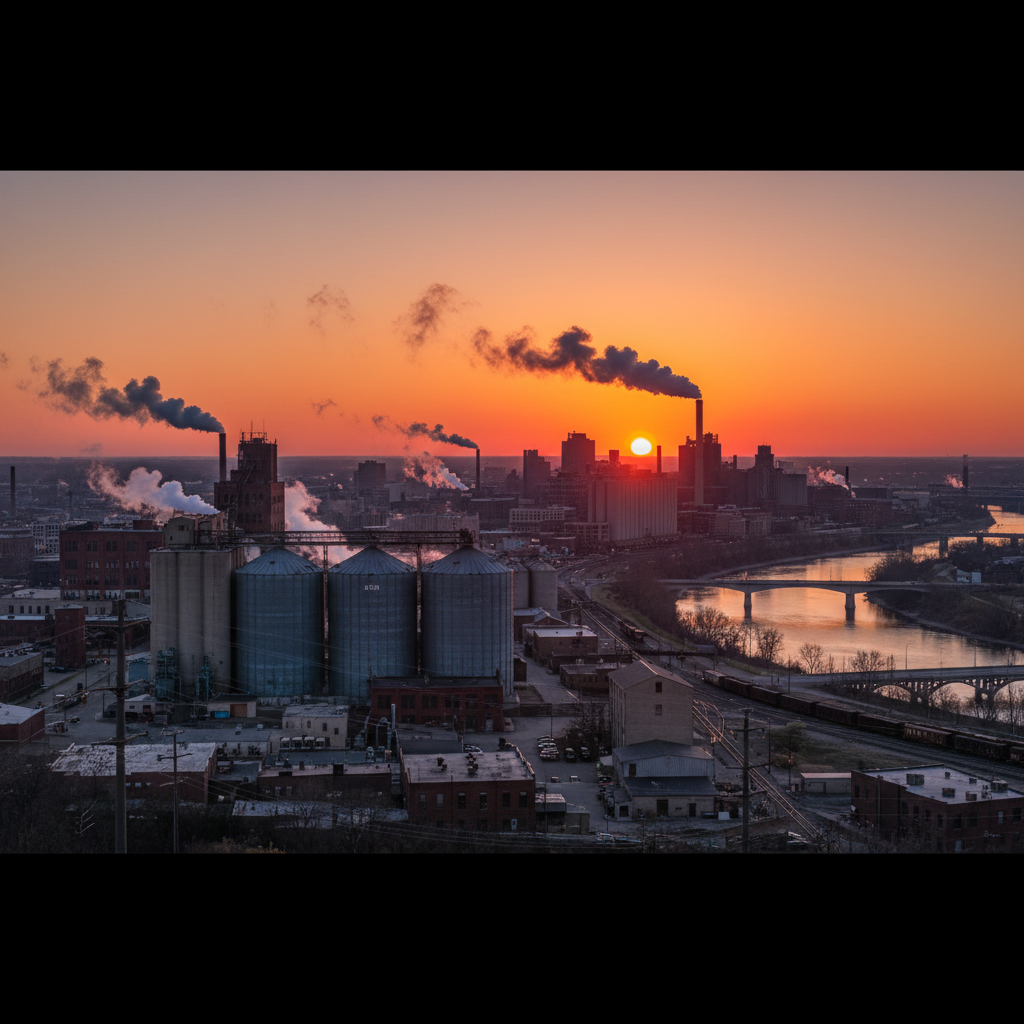
For the Midwest, 2025 offers opportunity but demands vigilance. From the grain belts of Iowa to the auto plants of Michigan and the financial centers of Illinois, staying informed and responsive will be essential. Dow Jones Futures reflect a broader national picture—but for Midwestern investors, regional strategy and resilience could make all the difference.