- calendar_today August 10, 2025
In 2025, the United States imposed significant tariff measures, including a 104% tariff on Chinese imports and a 25% tariff on automobiles from various countries. These tariffs have caused major shifts in global markets, and the Midwest, known for its robust manufacturing, agricultural production, and energy sectors, is experiencing their effects first-hand.
The immediate impact of these tariffs has been swift. Wall Street saw a dramatic decline, with the Dow Jones dropping over 2,200 points and the S&P 500 losing nearly 10%. Investors in the Midwest, where industries are deeply tied to global trade, are facing uncertainty and volatility. In this article, we explore how these tariffs are reshaping the Midwest’s economic landscape and offer strategies for local investors to navigate this turbulent environment.
The Economic Impact of Tariffs on the Midwest’s Key Sectors
The Midwest’s economy is heavily reliant on manufacturing, agriculture, and energy production. The 2025 tariffs have disrupted these industries in various ways, creating challenges for both businesses and investors in the region.
Manufacturing
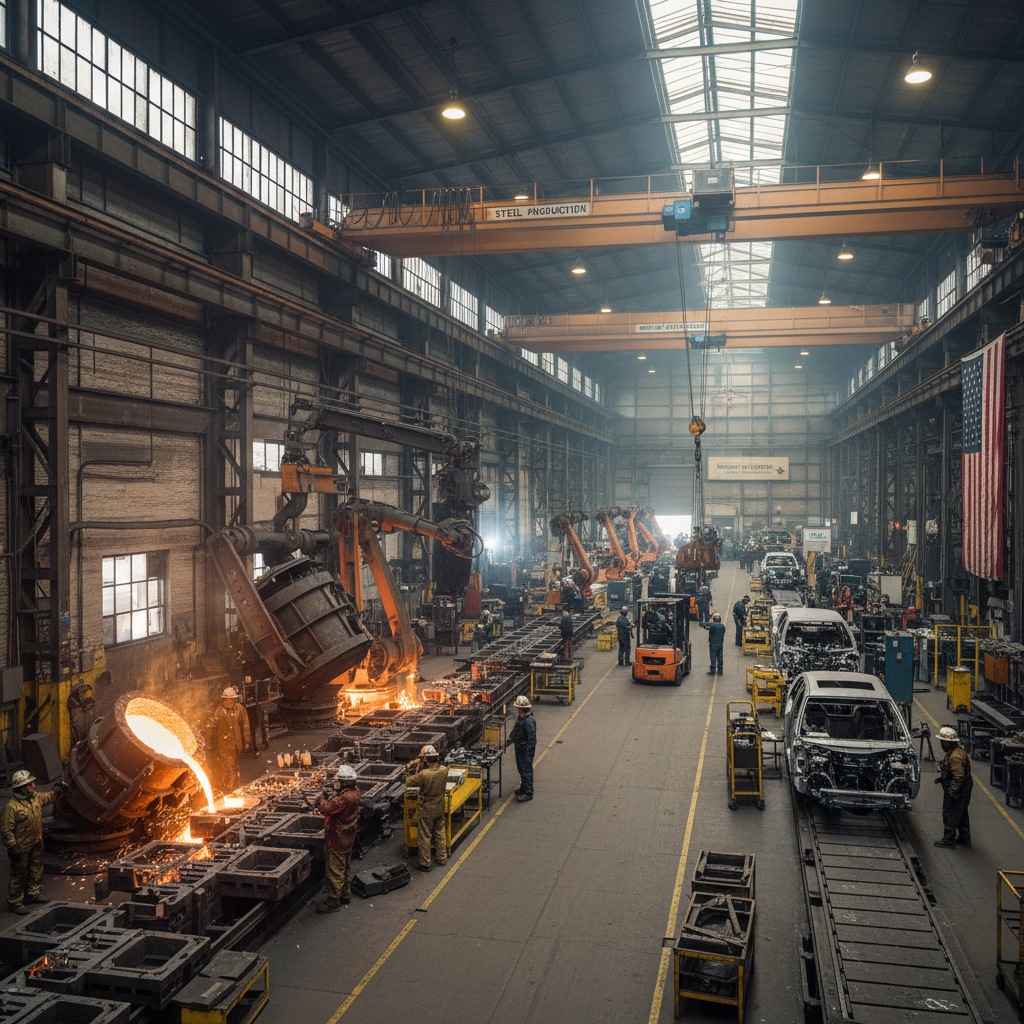
Manufacturing is one of the backbone industries of the Midwest, with key sectors such as automotive production, machinery, and steel manufacturing playing a central role in local economies. The 25% tariff on automobile imports has immediately affected the auto industry in the Midwest, especially in states like Michigan, Ohio, and Indiana, where major automakers like Ford, General Motors, and Chrysler are based.
Increased tariffs on automobile parts and materials have led to higher production costs, which are likely to be passed on to consumers. Sales are expected to drop by 2 million units this year, and automakers are already reconsidering their production strategies. For investors in the automotive sector, these changes signal potential slowdowns and increased market volatility.
Additionally, steel manufacturers in the Midwest are facing challenges, as the 104% tariff on Chinese imports raises the cost of raw materials. Companies such as U.S. Steel and ArcelorMittal may face higher costs for essential materials, potentially squeezing margins and reducing profitability.
Agriculture
Agriculture is another key pillar of the Midwest economy, with states like Iowa, Illinois, and Nebraska being major producers of corn, soybeans, and pork. The imposition of a 34% tariff on U.S. agricultural exports by China has created new obstacles for farmers who rely on foreign markets for their crops. Already struggling with fluctuating market demands, Midwest farmers are now facing reduced export opportunities and lower prices for their goods.
The U.S. Department of Agriculture projects agricultural exports for FY2025 to be $170.5 billion, which is slightly higher than the previous year, but still below pre-tariff expectations. For investors in agricultural stocks or farmland, this could mean slower growth and reduced profits in the short term. Investors should also monitor the potential for ongoing trade disputes that could affect future crop prices and export opportunities.
Energy and Natural Resources
The Midwest is a significant player in energy production, with vast resources in coal, natural gas, and renewable energy. However, the global economic disruption caused by tariffs could impact energy prices, as supply chain disruptions affect the cost and availability of energy resources. This could slow investments in clean energy technologies and affect profitability for energy companies in the region.
Additionally, oil and natural gas producers may face challenges as global trade tensions impact demand for energy resources. Although the tariffs do not directly affect energy exports, the ripple effects of global instability could result in price fluctuations and market uncertainty.
What Midwest Investors Should Do
With the impact of tariffs being felt across multiple sectors, it’s important for Midwest investors to adapt their strategies. Here are some practical steps that local investors can take to protect their portfolios and seize new opportunities:
- Diversify Investment Portfolios
Investors should diversify their holdings across various industries and asset classes to minimize exposure to sectors most affected by tariffs. Focusing on more resilient sectors, such as infrastructure, renewable energy, and healthcare, can offer stability in the face of market volatility. - Consider Safe-Haven Assets
In periods of heightened uncertainty, gold and real estate investment trusts (REITs) are often seen as safe-haven assets. Gold prices have already risen 1% in response to market turbulence, and investing in inflation-protected securities (TIPS) can help shield portfolios from inflationary pressures caused by tariff-induced price increases. - Invest in Domestic Manufacturing and Reshoring
The trade war may accelerate reshoring efforts, as companies seek to bring production back to the U.S. to avoid tariff-related costs. Investors in the Midwest should keep an eye on companies that stand to benefit from reshoring, particularly those in steel, machinery, and automotive production. These sectors may experience growth as manufacturers shift their production strategies to reduce reliance on foreign suppliers. - Monitor Agricultural and Commodities Markets
With agricultural exports under pressure, investors in Midwest farmland and agriculture-related stocks should be cautious in the short term. However, monitoring commodity prices and global demand will be key to identifying opportunities in agricultural investments. If new markets emerge for U.S. agricultural products, investors could see growth in the sector.
Turning Challenges Into Opportunities
While the 2025 tariffs have caused significant short-term disruptions, they also present opportunities for the Midwest in the long run. The tariffs could drive changes in supply chains, manufacturing, and energy production that will have lasting effects. Midwest investors who focus on reshoring trends, infrastructure projects, and the clean energy transition will be well-positioned for future growth.
For now, the key to navigating the tariff-induced volatility is flexibility and diversification. By staying informed and adjusting portfolios in response to evolving trade dynamics, Midwest investors can better weather the uncertainty and position themselves for success as the economic landscape shifts.