- calendar_today August 8, 2025
Trade Tariffs and Policy Uncertainties Challenge the Heartland’s Automotive Industry
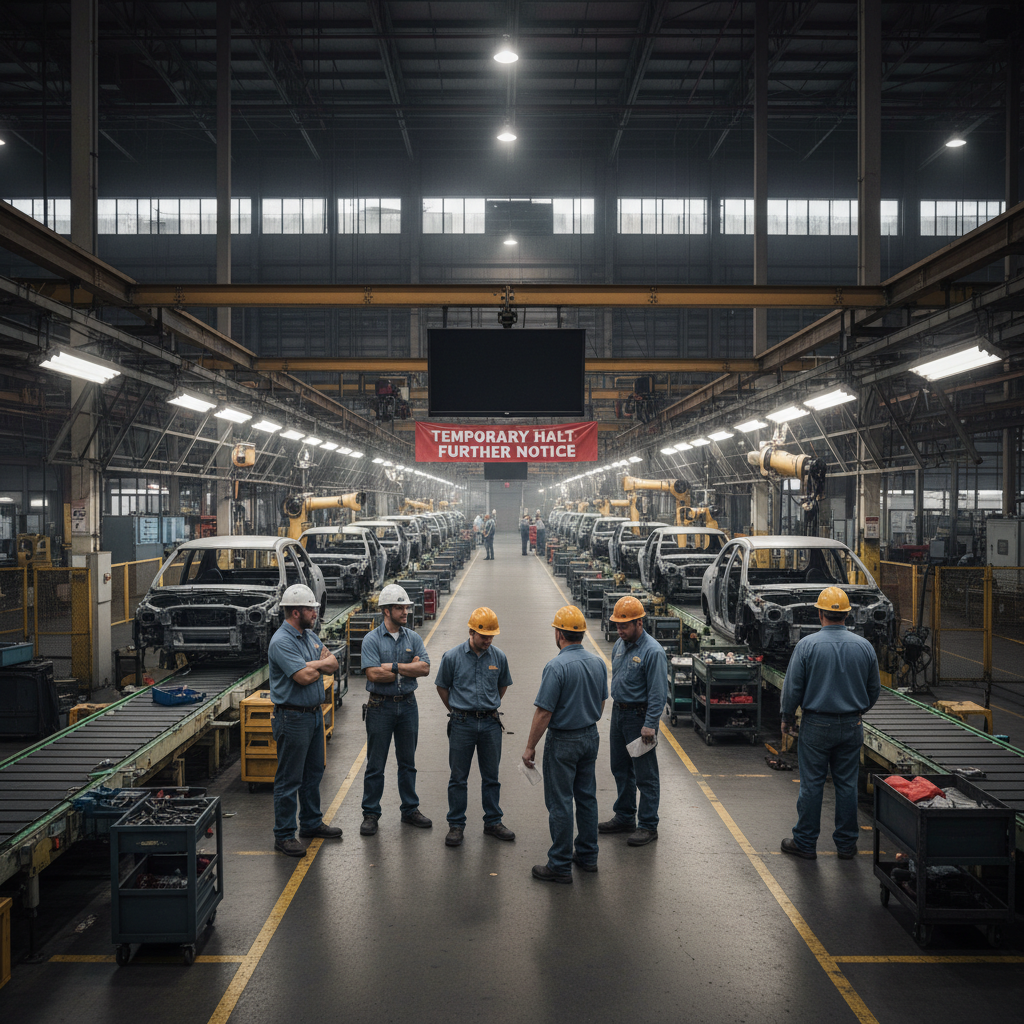
The Midwest, often referred to as America’s automotive heartland, has been significantly impacted by trade policies implemented during former President Donald Trump’s administration. Major automotive manufacturers in states like Michigan and Ohio have faced substantial financial challenges due to imposed tariffs and ensuing trade uncertainties, leading to millions in losses and broader economic repercussions.
Impact of Tariffs on Production Costs
In 2025, the Trump administration imposed a 25% tariff on imported automobiles and parts, aiming to protect domestic manufacturing. However, this policy led to increased production costs for U.S. automakers, particularly those relying on global supply chains. Jan Griffiths, president and founder of Gravitas Detroit, highlighted that these added costs are often passed on to consumers, with potential increases ranging from $8,000 to $12,000 per vehicle. This escalation not only affects consumer purchasing decisions but also pressures manufacturers to absorb costs, thereby reducing profit margins. CBS News
Decline in Investment and Job Growth
The uncertainty introduced by fluctuating trade policies has led to a decline in investments within the automotive sector. In Michigan, for example, automotive firms’ investments decreased by 29% over the three full years of Trump’s presidency compared to the last three years of the previous administration. This reduction in investment has had a direct impact on job creation, with Michigan experiencing a significant slowdown in manufacturing job growth during this period. Brookings
Specific Cases: Ohio’s Manufacturing Sector
Ohio’s manufacturing industry has also been adversely affected. The state experienced a net loss of 26,000 manufacturing jobs during Trump’s tenure. The imposed tariffs particularly hurt metal-using industries, which outnumbered beneficiaries by nine to one. Additionally, wages in sectors like fabricated metal products declined by approximately 5%, further straining the livelihoods of manufacturing workers. Brookings
Recent Developments and Ongoing Uncertainty
As of March 2025, reports suggest that the U.S. administration is considering excluding certain sectors, including automobiles, from new tariffs set to take effect on April 2. This potential exemption has led to modest stock increases for companies like General Motors. However, the lack of definitive policy decisions continues to foster uncertainty within the industry, making it difficult for auto manufacturers to strategize effectively. Barron’s
Conclusion
The trade policies introduced during the Trump administration have posed significant challenges for the Midwest’s automotive industry. Increased production costs due to tariffs, coupled with reduced investments and job losses, have led to millions in financial losses for major auto manufacturers. While potential policy adjustments may offer some relief, the prevailing uncertainty continues to hinder the industry’s ability to plan for a stable and prosperous future.
Related Articles: