- calendar_today August 11, 2025
Companies and consumers in the Midwest look to economic changes ahead as the Federal Reserve holds steady on interest rates while signaling potential cuts later this year.
The Midwest economy is entering a period of uncertainty after the Federal Reserve unexpectedly stopped cutting interest rates. The action, though anticipated by many analysts, has caught businesses, home buyers, and consumers in the region reeling from the impact of rising borrowing costs and decelerating growth.
The Fed’s action occurs when inflation and economic stability issues are already in play, and policymakers have teased the possibility of two rate cuts within the year. For the states of Illinois, Ohio, Michigan, Wisconsin, and Indiana, this action has distant impacts on industries ranging from manufacturing to agriculture.
Impact on Midwest Industries
The Midwest has been called the nation’s manufacturing hub, producing goods ranging from automobiles to agricultural equipment. The majority of industries there rely on credit to cover operating and expansion costs and hence are most responsive to interest rate movements.
1. Manufacturing Sector
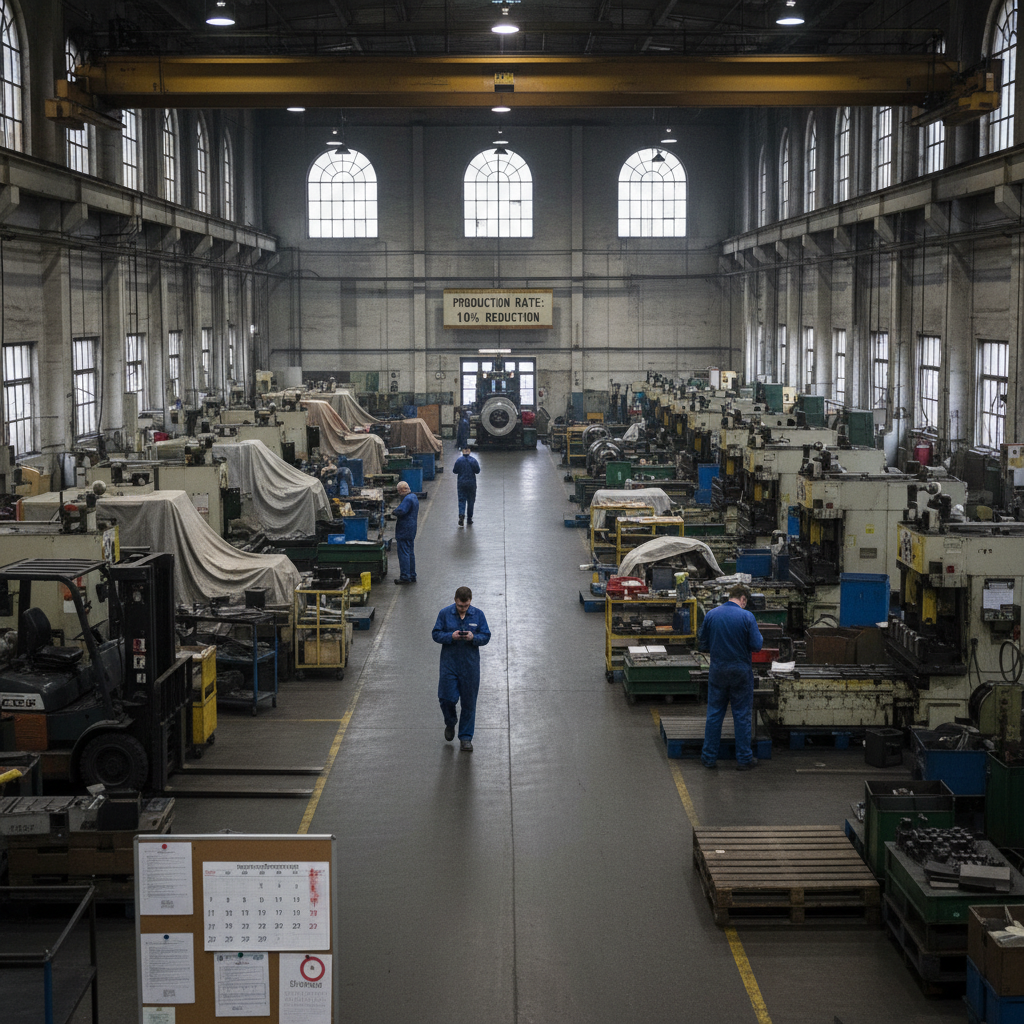
Key manufacturing centers like Detroit, Chicago, and Cleveland are being squeezed by the constraint in borrowing costs. These businesses that are counting on credit to bring in new equipment or expand capacity are delaying the action while credit is costly.
Auto manufacturers in particular are being squeezed because demand at the consumer level is decelerating due to high auto loan rates. That could in turn lead to fewer car production and unemployment across the region.
2. Agricultural Communities
Farmers in the such states as Iowa, Indiana, and Ohio also rely on loans to finance seeds, machinery, and land maintenance. As interest rates are fixed at high levels, farm businesses are finding it increasingly difficult to secure cheap financing.
Most family farms should expect to remain under financial duress, and larger farm operations can delay replacement of equipment and other long-term expenditures. Depending on whether or not the Federal Reserve carries through with threatened reductions in rates, it could prove to be just what the industry needs.
3. Small and Medium Businesses
Midwestern companies rely on credit lines to service everyday costs and finance future growth. Small- and medium-sized enterprises (SMEs) will be charged more to pay back their loans and face lower growth as a result of the pause in interest rates.
In cities like Milwaukee, Indianapolis, and St. Louis, some owners of businesses worry that consumer expenditures may slow if borrowing remains expensive. As explained by one business owner in Ohio, “The rising cost of credit makes it harder to invest in new initiatives and keep prices affordable for our customers.”
Midwest Consumers Hit Hard by Fed’s Rate Hold
Midwest consumers feel the brunt of the Federal Reserve’s rate-holding action. This affects the price of everything from home mortgages and auto loans to credit card balances.
1. Housing Market
The Midwest housing market is already slowing down, with mortgage rates still high. Homebuyers are paying more per month, decreasing affordability and curtailing the number of new-home purchases.
In cities like Detroit, Chicago, and Columbus, real estate agents report potential homebuyers are adopting a wait-and-see attitude, holding off in anticipation of reductions in rates in the future. Homebuilders are, in the meantime, reducing new starts due to increased financing costs.
2. Consumer Spending
Higher borrowing costs are also influencing consumer expenditure across the region. Consumers with variable-rate loans—such as credit cards—are paying higher interest charges, leaving them with fewer disposable dollars to spend on retail, travel, and entertainment.
In retail-based areas such as Minnesota’s Twin Cities, businesses are experiencing slower traffic and more cautious consumer spending. Analysts predict that if rate reductions occur later this year, it would boost spending and stimulate local economies.
Regional Leaders React to Fed Action
Midwestern economic leaders are reacting with divided views to the Federal Reserve policy breach. Some acknowledge the need to control inflation, but others worry that prolonged high rates will squeeze economic growth and job formation.
In Michigan, legislators have called upon the Fed to consider regional differences when setting interest rates, specifically the struggles of manufacturers and farmers. Indiana’s economic policymakers, meanwhile, are closely watching the impact on rural businesses as well as cities.
A Chicago financial analyst said, “The Midwest’s economy is particularly vulnerable to costly borrowing. Any delay in lowering rates could mean prolonged uncertainty for consumers and businesses.”
What the Midwest Economy Can Expect
While the Federal Reserve signaled two cuts potentially by the end of the year, it mostly depends on where inflation is headed and how well the economy is doing. Until those cuts come along, consumers and Midwest manufacturers have to live in a more expensive world.
If inflation comes to rest, interest rate cuts would be a huge boost for the Midwest’s manufacturing, agricultural, and consumer economies. State officials and business leaders are looking closely at the Federal Reserve’s next move now, aware that the future of the Midwestern economy hangs in the balance.