- calendar_today August 12, 2025
While Trump’s new trade policies reshape international business, Midwest industries are affected by the consequences of increasing costs and market instability.
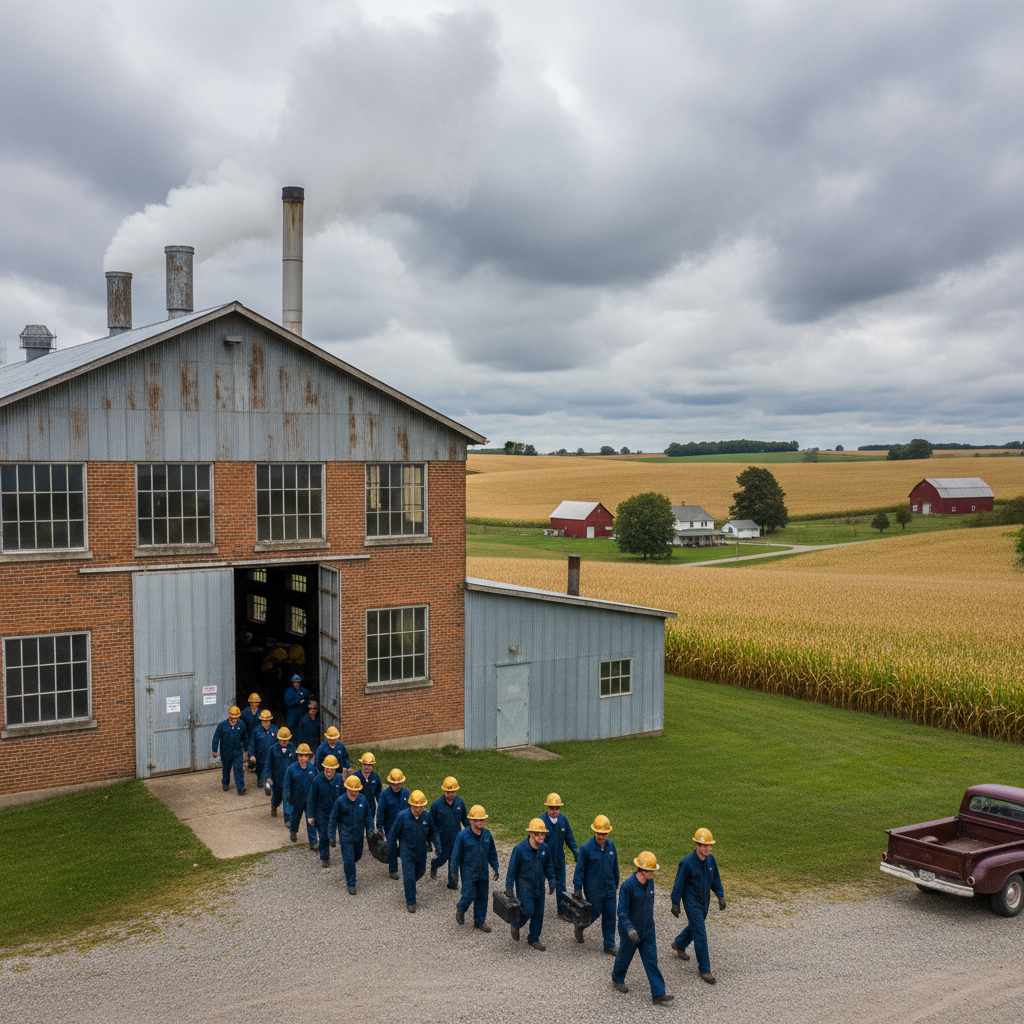
The Midwest is struggling with the economic waves generated by Donald Trump’s new trade policies, as manufacturing to agricultural industries face the hurdles of tariffs, supply chain disruptions, and market uncertainty. This industrial base and agricultural export-oriented heartland of the American economy is bearing the brunt of increasing costs and changing trade patterns.
As new tariffs are placed on foreign materials and trade retaliation from international trading partners, Midwestern companies are being compelled to rework their manufacturing plans and market strategies. Small business owners, farmers, and manufacturers in states such as Minnesota, Wisconsin, and Missouri are feeling the brunt.
Manufacturing Takes on Increased Costs
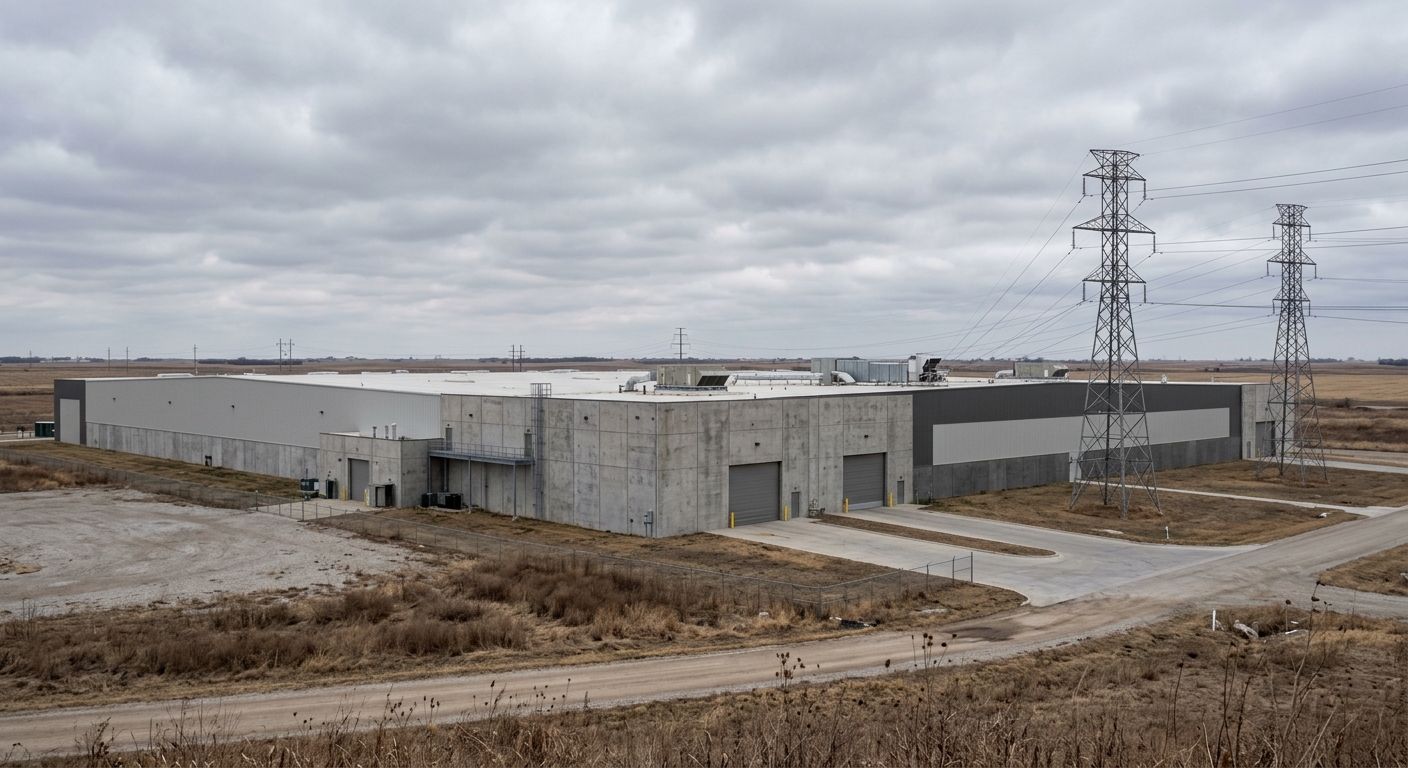
The Midwest, also referred to as the Manufacturing Belt, is especially vulnerable to Trump’s trade policy. With tariffs on steel and aluminum, auto manufacturers, machinery makers, and electronics companies throughout the region are seeing higher raw material costs.
In Detroit, where the country’s largest automotive sector is based, firms are detailing higher costs from import duties on raw materials. Manufacturers such as Ford and General Motors have warned of diminished profit margins and longer production cycles as they digested these increased costs.
Manufacturing centers in Milwaukee and St. Louis are also feeling the pinch. Local manufacturers of heavy equipment and consumer products are being compelled to increase prices or take the losses, both of which have long-term implications for competitiveness and market share.
Agriculture Feels the Squeeze
Farmers throughout the Midwest are especially sensitive to the impacts of the trade war. With China, Canada, and the European Union all imposing retaliatory tariffs on American agricultural exports, the region’s soybean, corn, and dairy industries are fighting to keep their place in the global marketplace.
In Illinois and Iowa, soybean growers have experienced export demand plummet as China, a major buyer, turns to other sources. This has pushed soybean prices to historic lows, putting a lot of pressure on family farms and agribusinesses that depend on international trade.
Wisconsin dairy farmers, a state famous for cheese-making, have also been severely affected. With new tariffs being placed on dairy exports to Mexico and Canada, small producers are feeling the pinch, which is causing some to reduce their operations or quit the business altogether.
Small Businesses Navigate Uncertainty
Outside of heavy industry, small companies throughout the Midwest are trying to weather the economic uncertainty of Trump’s trade policies. Entrepreneurs in Kansas City and Indianapolis who count on imported commodities—everything from electronics to drywall—are facing higher prices and longer delivery times.
Local businessmen are concerned that prolonged tariffs would not just add to overhead costs but also be detrimental to consumer spending. With prices on imported consumer goods being higher for consumers, small shopkeepers expect that sales would fall as customers order only basic necessities.
Midwestern consumers are starting to feel the squeeze. From grocery prices to household appliances, prices on imported products are slowly rising as companies pass along the added expense. Missouri and Ohio households are saying they are paying more for routine items, which may temper consumer confidence and regional economic growth.
Urban retailers in Minneapolis worry that extended trade skirmishes will again increase costs and diminish their capacity to provide price competitiveness. Already-strained middle-class households carrying higher living costs have another aspect of financial constraint added to the mix with new trade policies.
Political and Economic Tensions
Trump’s trade agenda is also shaping the politics of the entire Midwest, an area that was central to his 2016 presidential win. In the swing states of Michigan, Wisconsin, and Minnesota, voters are evenly split as to whether the trade policies are benefiting American industries or hurting local economies.
State and local policymakers are calling for federal relief measures to counter the adverse effects on farmers and manufacturers. Pressure is mounting on the federal government to renegotiate trade agreements that will preserve Midwestern exports and save local jobs.
Investment Strategies Shift
In response to the uncertainty, investors and financial planners based in the Midwest are shifting their strategies. Increasing attention is being paid to domestic markets and industries that are protected from trade volatility, including healthcare and renewable energy.
Regional investment companies advise clients to expect market fluctuations and long-term economic shifts as the trade environment continues to change. Diversification across U.S.-oriented portfolios is becoming a standard recommendation to avoid exposure to foreign risk.
Looking Ahead: Adapting to Change
The Midwest economy is at a crossroads as Trump’s trade policies keep reshaping the business landscape. While certain industries will gain from protectionist strategies, others experience severe economic pressures.
In the coming months, Midwest leaders will continue to monitor how global trade developments influence local economies, seeking ways to protect both workers and businesses from the most severe impacts. For now, the region remains resilient, adapting to the new realities of international commerce in an increasingly uncertain world.