- calendar_today August 23, 2025
Businesses, Farmers, and Workers Brace for Potential Changes
Introduction
The U.S. government’s suggestion to borrow $6.8 trillion has raised debate across the Midwest, which boasts a healthy agriculture, manufacturing, and small business economy. With consistently rising federal debt, individuals are questioning how this borrowing will influence interest rates, inflation, and government spending. Policy makers, corporate leaders, and workers are preparing for pa otential economic transformation that can extend to influences on everything from farm subsidies to highway construction.
With so large a borrowing plan, there are dangers and there are prospects. While greater government expenditure could translate to more jobs and more investment in roads and bridges, more debt could translate to more interest rates and inflation, making it more expensive for businesses and consumers to borrow money. The Midwest, a mix of rural villages and industrial hubs, is observing closely how these budgetary changes could shape its economic future.
Main Concerns in the Midwest
Midwestern business analysts and economists worried that certain critical regions could be affected by the $6.8 trillion borrowing scheme, including:
- Rising Interest Rates – The need for more borrowing by the federal government can raise interest rates, making it more expensive for businesses and home buyers to borrow. Farmers, for example, will struggle to finance land and equipment acquisitions.
- Inflation Risks – If lending fuels inflation, prices of everyday items like food, petrol, and household goods could increase, making it more difficult for families to survive.
- Federal Funding for Infrastructure – More borrowing can finance big projects like road widening, bridge maintenance, and rural broadband upgradation. But if debt gets unaffordable, long-term investments might get slashed.
- Impact on Farm Subsidies – Farmers in the Midwest almost completely depend on federal support. A huge national debt can eventually result in budget cuts, which will impact programs that provide financial aid for agriculture.
Effects on Midwest Businesses and Industries
1. Agriculture & Farming
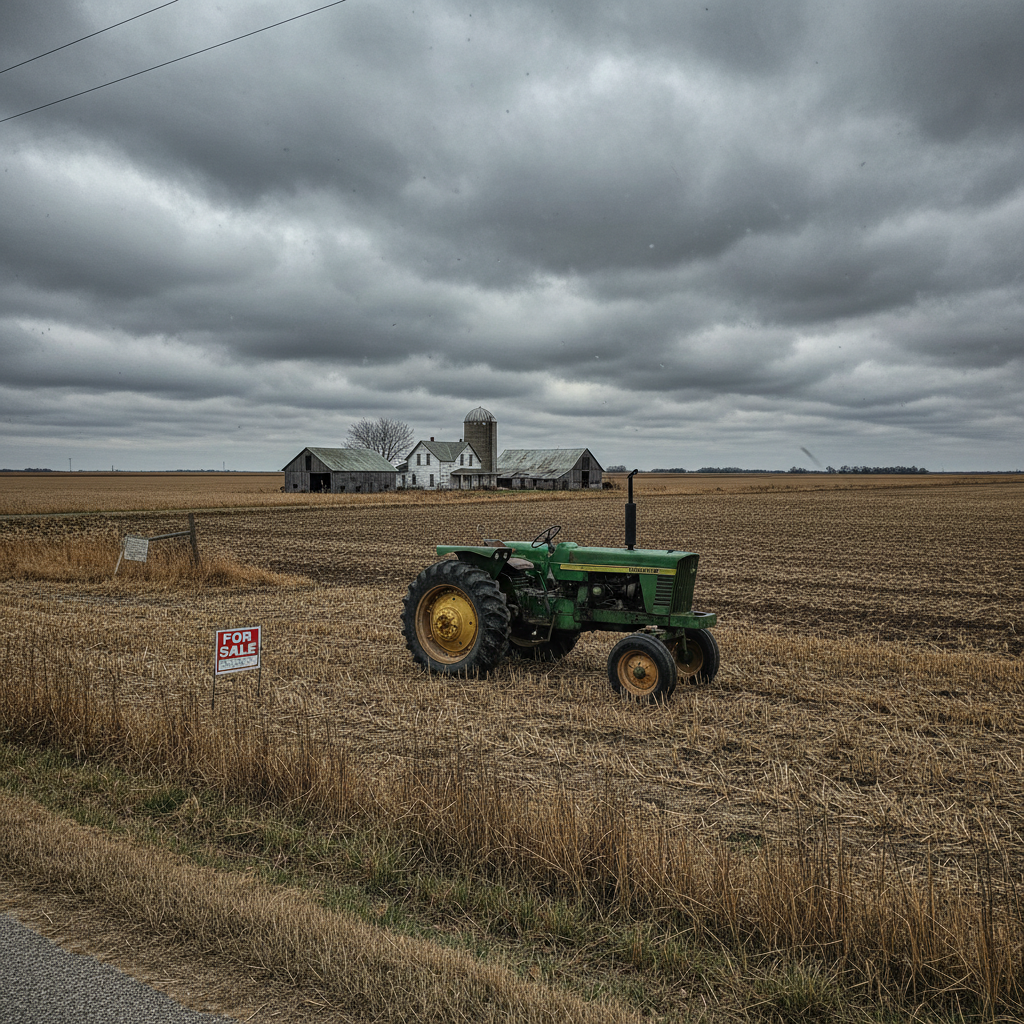
The backbone of American agriculture, the Midwest grows corn, soybeans, wheat, and dairy products that feed America and the world. Agriculture is a capital-intensive enterprise, though, and so farmers borrow money to buy land, machinery, seed, and fertilizers. If borrowing costs more money as interest rates increase, it might become more difficult for farmers to expand their operations or even remain profitable.
Inflation is another problem. If inputs to farming, such as fuel and fertilizer, continue to rise, farmers will have higher costs of operation. Some will pass these on to consumers in the form of higher grocery prices. Others will not make it at all, especially smaller farms that do not have the economic cushion that bigger agricultural concerns do.
2. Manufacturing & Industrial Sector
The Midwest holds its biggest factory centers, including Detroit, Chicago, and St. Louis. These towns and many other smaller factory towns rely on steady economic circumstances to keep factories and assembly lines in operation. The federal borrowing policy could have a double impact on this industry.
On the bright side, increased government expenditure on infrastructure projects could mean more demand for steel, concrete, machinery, and building materials, which could give a boost to manufacturing employment. But if rising debt is followed by inflation and higher interest rates, firms may not be able to secure cheap loans to invest and grow.
3. Small Businesses & Job Market
Many small businesses in the Midwest survive and thrive with the use of loans. If it costs more to borrow, owners will be forced to cut back on hiring or delay growing. Higher inflation would also reduce the willingness of people to spend, which makes it harder for small businesses to generate revenue.
Workers across the Midwest may be affected differently by these economic trends. Some industries, such as construction and alternative energy, may be assisted by increased federal spending. Others, however, which are reliant on cheap borrowing, such as retailing and property, may be slowed down.
State-Level Response
Different states of the Midwest are responding to the federal borrowing approach differently:
- Illinois & Ohio – Governors in both states are urging federal investment in highways, mass transit, and clean energy initiatives. They are also, however, concerned about the impact higher interest rates would have on homebuyers and small business operators.
- Iowa & Nebraska – Farmers in both states are asking for prudent farm policies so that they can stay financially secure with rising fuel and fertilizer prices.
- Minnesota & Wisconsin – These two states are fighting against the federal debt’s impact on healthcare and education funding. They are also working on economic plans to help rural regions that face inflation challenges.
Conclusion
The problem of federal debt of 6.8 trillion dollars is a resourceful problem that will affect the Midwest far into the future. Although it creates opportunities for investment and growth, it risks raising costs in terms of debt, inflation, and interest rates. Farmers, manufacturers, small entrepreneurs, and businesses as a whole are all preparing for potential economic shifts.