- calendar_today August 28, 2025
Microsoft makes a key move to improve Windows for handheld gaming by initiating a substantial optimization process. Microsoft’s latest Xbox-branded user interface for devices such as the ROG Xbox Ally represents its most important step in this area yet. Microsoft’s latest initiative emerges as Valve’s Steam Deck along with its custom Linux-based SteamOS establishes dominance in the portable PC gaming market.
The Steam Deck by Valve operates with limitations because it depends on Proton for Windows game compatibility and supports only part of its application library natively but still showcased consumer interest in Windows-independent handheld gaming. SteamOS has not yet achieved seamless Windows replacement despite the advanced maturity of Proton and its strong compatibility performance.
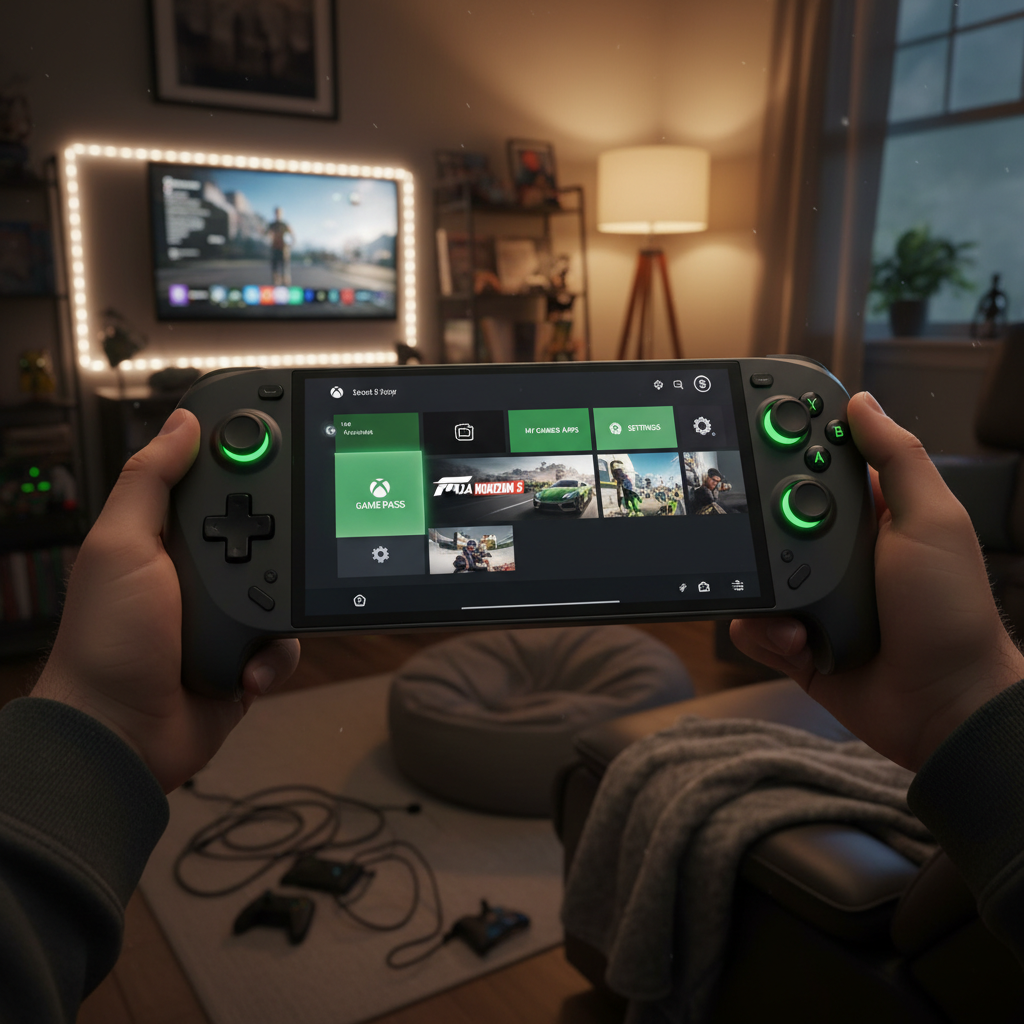
Yet, Microsoft and Asus are betting on a new formula: Microsoft and Asus are working together to create a complete gaming experience while still using standard Windows as their operating system foundation. The ROG Xbox Ally debuts as the initial device to adopt a gamepad-optimized, Xbox-like tile-based interface. It’s clean. It’s immersive. The design creates an interface which matches player expectations from either a Nintendo Switch or a real Xbox console.
The move is far from cosmetic. Microsoft informed The Verge that this new interface will first appear in the Ally series but will later spread to other Windows handheld devices starting next year. The lack of official confirmation about the new UI’s connection to Microsoft’s 2022 “Windows Handheld Mode” pitch deck does not diminish the obvious similarities. The internal proposal recognized touch optimization and controller support along with Windows’ overall clunkiness as major challenges.
A Lighter, Faster Experience
The new Xbox UI achieves a major technical success through its lightweight construction. The ROG Xbox Ally’s interface takes over Windows completely by eliminating the traditional desktop environment and taskbar. The new redesign will result in RAM savings of several gigabytes and decrease the system’s total resource consumption. The result of these changes delivers enhanced performance capabilities, extended battery duration and creates a gaming experience similar to dedicated consoles.
Traditional Windows handheld devices such as the original ROG Ally suffer from performance limitations due to both the operating system Windows requires and Asus’ extra software Armoury Crate. The excess features were essential for operating Windows on handheld devices. The Xbox UI lets Microsoft remove the majority of that superfluous system load.
The design allows users to retain the desktop experience and not switch away from it completely. Users retain full access to the Windows desktop by launching it whenever they want. Gamers can use a clean gaming interface for playtime while retaining the ability to toggle to Windows layout for tasks and advanced options.
The main narrative extends beyond features because timing plays the key role. Microsoft has responded slowly to Steam Deck. The Deck started out looking too unrefined to be important. Valve maintained their commitment to SteamOS which has shown progressive enhancement and broader functionality over time. The device support has expanded beyond the Steam Deck to incorporate select handheld devices from Asus.
Linux gaming powered by Proton and Wine has become increasingly popular in a landscape lacking innovation. These software solutions enable gamers to access most Windows games without needing to use Windows. This approach undermines one of Microsoft’s fundamental advantages which is their compatibility standard. And it’s working. The Linux desktop operating system reached a market share of over 4% last year which seemed impossible only a short time ago.
Windows still has a large user base who haven’t abandoned it en masse as of now. Microsoft’s established cycle of dependency on Windows for running games and apps now faces serious challenges. The dominant system for running games and applications for decades was Windows. Modern platforms such as SteamOS now present gamers with alternative operating systems.
And Microsoft has taken notice.
The release of the Xbox UI for handhelds shows Microsoft’s attempt to regain authority over a market segment it previously overlooked. Whether it succeeds remains uncertain. Microsoft’s modernization of Windows to become lighter and compatible with touchscreens and gamepads demonstrates their recognition that gaming’s future extends beyond traditional desktop environments and Windows platforms.
The challenge lies in determining if this new Xbox-powered version of Windows can attract the gamers Microsoft previously disregarded.