- calendar_today August 5, 2025
The Midwest, long known for its industrial heartland and expansive rural communities, has found itself deeply entangled in America’s addiction epidemic. As the country continues to grapple with escalating drug misuse, particularly opioids and stimulants, Midwestern states are mobilizing resources, policies, and partnerships to stem the tide of substance use disorders (SUDs).
The region’s response underscores a complex blend of urban and rural challenges, with disparities in healthcare access, public health infrastructure, and socioeconomic pressures shaping the trajectory of recovery efforts.
Regional Realities: Unique Pressures and Patterns
In states like Ohio, Illinois, and Indiana, overdose rates continue to reflect the grip of synthetic opioids such as fentanyl. Simultaneously, methamphetamine use is surging in rural pockets of Iowa and Missouri. These patterns reveal a poly-drug crisis that transcends demographic and geographic lines, complicating treatment and prevention strategies.
Experts point to economic instability — especially in former manufacturing centers — as a key driver behind rising addiction rates. The decline of blue-collar industries has left many communities facing joblessness, mental health strain, and under-resourced healthcare systems, all of which exacerbate substance use vulnerability.
Policy and Prevention: A State-Level Patchwork
Midwestern states have adopted varied legislative approaches in recent years. Illinois has expanded harm reduction services, such as needle exchange programs and overdose reversal training with naloxone. Meanwhile, Wisconsin has increased Medicaid coverage for SUD treatments and piloted mobile recovery units in underserved areas.
Indiana’s recovery infrastructure has grown through local coalitions that unite law enforcement, healthcare providers, and non-profits. These coalitions emphasize early intervention, rehabilitation over incarceration, and reintegration support.
While progress is evident, critics argue that policy execution remains uneven. For instance, while naloxone is widely distributed in urban zones, rural communities often face logistical challenges in both supply and training.
Treatment Gaps and Community-Based Solutions
Access to addiction treatment continues to be a hurdle across much of the Midwest, particularly in remote or low-income areas. Behavioral health deserts — where mental health and addiction services are virtually absent — are prevalent in states like Nebraska and North Dakota.
To bridge these gaps, communities are leaning on grassroots solutions. Faith-based recovery groups, peer-led support circles, and telehealth expansion have emerged as lifelines. The pandemic accelerated telemedicine adoption, allowing patients to access counseling and medication-assisted treatment (MAT) from their homes — a shift that is now proving vital in rural addiction management.
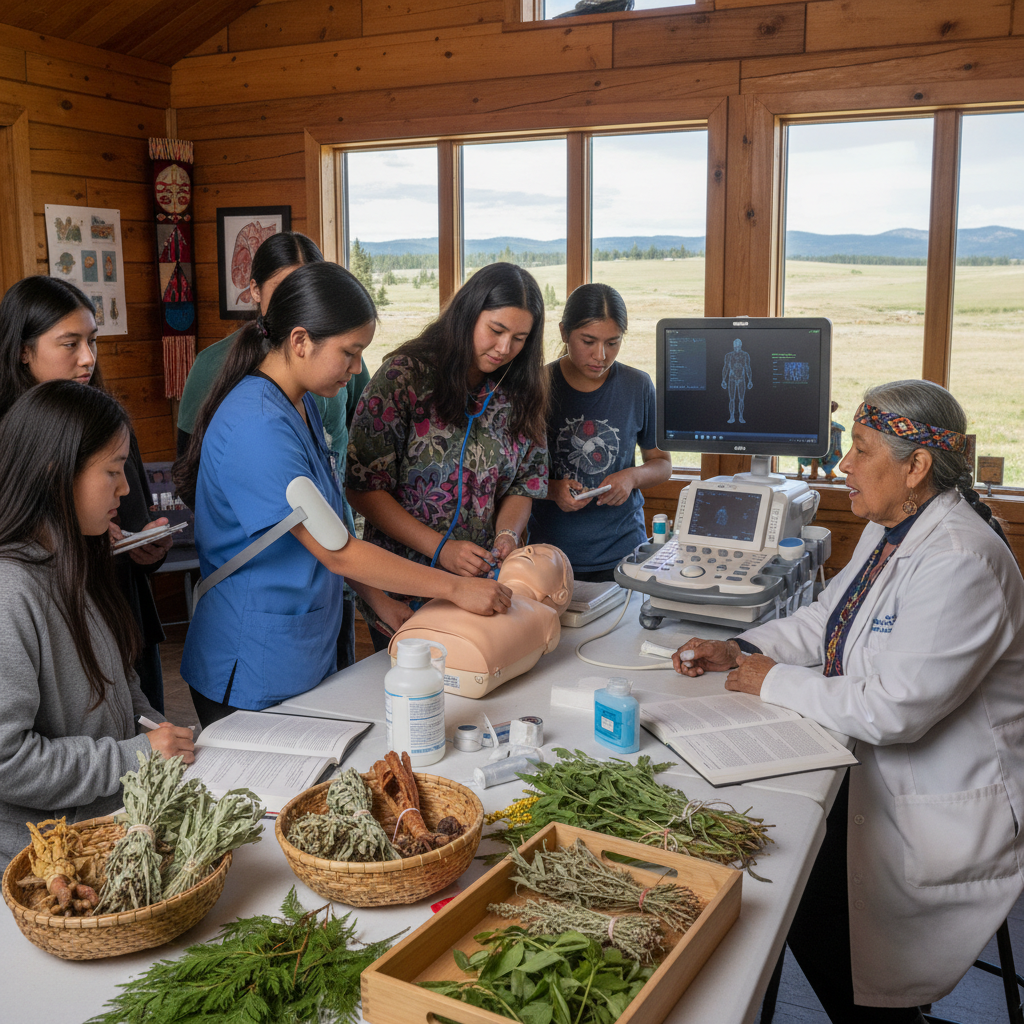
One notable success is Minnesota’s integration of culturally tailored programs for Native American populations, addressing intergenerational trauma and improving recovery outcomes.
Youth and Prevention Efforts
With concern growing around adolescent drug use, schools across the Midwest are playing an increasing role in prevention. States like Michigan have introduced curriculum-based prevention programs and student mental health funding.
Nonprofits such as the Midwest Youth Coalition are also gaining traction, offering workshops and peer mentorship to reduce early exposure to drugs and alcohol. These initiatives aim not only to educate but to destigmatize addiction and promote open dialogue from a young age.
Law Enforcement and Legal System Reform
Across the region, law enforcement strategies are shifting toward diversion and decriminalization. In Missouri and Ohio, drug courts are emphasizing treatment over jail time, with judges working closely with recovery specialists.
While progress is gradual, such approaches are helping reduce recidivism and promote rehabilitation, especially for non-violent drug offenders. However, the success of these programs hinges on sustained funding and consistent policy application.
Sustainability and Hope
The Midwest’s approach to America’s addiction crisis is marked by both resilience and realism. While systemic gaps remain, the combination of public policy reform, community engagement, and health innovation signals a growing regional commitment to long-term recovery.
Success stories — from rural clinics providing MAT to urban centers pioneering trauma-informed care — reveal a Midwest that is adapting to meet the needs of its residents. The region’s future efforts will depend not just on policy, but on partnerships that integrate health, education, and justice systems in a comprehensive addiction response.