- calendar_today June 20, 2026
The Midwest’s landscape and economy were forever altered by the good roads movement, a pivotal campaign that transformed Missouri’s rural roads network into efficient modern highways. Once infamous for their muddy rural routes and unreliable travel conditions, Missouri highways today stand as a testament to the vision and determination that propelled infrastructure development across the region.
The State of Rural Roads Before the Movement
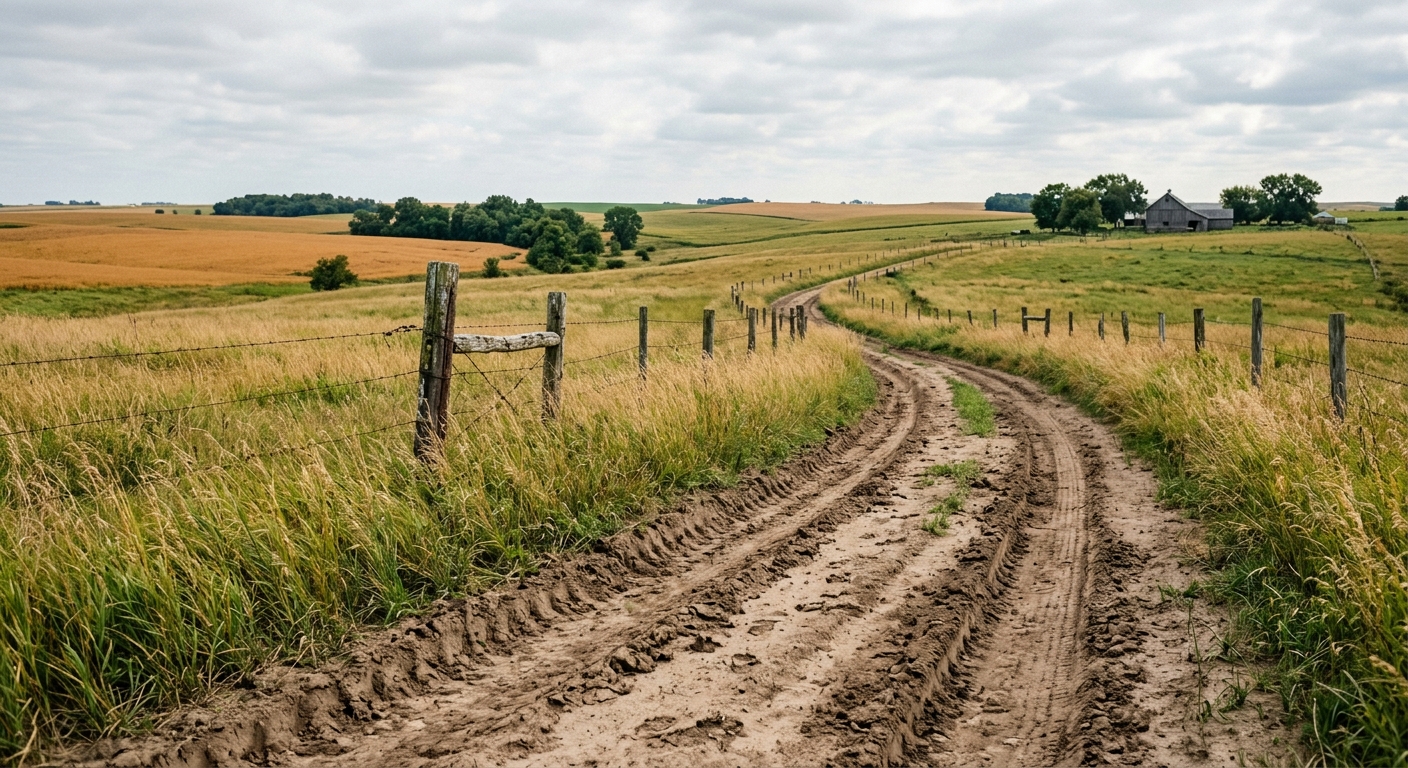
Travelers and local communities in the Midwest faced significant challenges before the arrival of the good roads movement. Rural roads in Missouri were often impassable after rain, turning into thick mud that stalled horses and wagons. Dust clouds followed travelers during dry spells, making journeys uncomfortable and often hazardous. These conditions not only made road transportation unpredictable but also hampered essential economic activities, particularly agriculture transport.
Origins and Leadership of the Good Roads Movement
According to Doug Genens of the State Historical Society, the good roads movement began as a grassroots initiative, with local farmers, business owners, and civic leaders demanding better road improvement. Key figures emerged, advocating for a cohesive vision for nationwide infrastructure. Prominent voices from Missouri and beyond lobbied for the creation of modern highways, recognizing the need for a stable transportation history that would serve both towns and farmlands.
Transforming Missouri Highways
The campaign for better roads culminated in sweeping efforts to pave, drain, and standardize roads across Missouri. As road improvement projects took shape, local economies experienced a notable boost. Access to markets and neighboring towns improved, allowing agricultural businesses to thrive. The shift from muddy rural routes to modern highways connected isolated areas with urban centers, encouraging new opportunities for trade and commerce—and spurring continued infrastructure development throughout the region.
Economic and Social Impact
The benefits of the good roads movement resonated far beyond simple transportation enhancements. Improved Missouri highways supported the growth of agriculture transport, helped families stay connected, and provided rural communities with greater access to education, goods, and services. As roads became more reliable, schools and businesses found it easier to operate, and the overall economic stability of the Midwest region improved.
The Role of Institutions and Lasting Influence
The State Historical Society played a key role in chronicling these developments and preserving the stories of those who advocated for road transportation change. Their research highlights how the good roads movement became a model for other states, inspiring further advancements in road improvement nationwide. The collaboration between community stakeholders and regional government set an enduring precedent for public infrastructure investment.
Modern Highways and Continuing Progress
Today, the influence of the good roads movement remains evident in the network of modern highways crisscrossing Missouri and the wider Midwest. The predictability and accessibility once envisioned by early reformers have become a daily reality for millions of residents. Ongoing maintenance and innovation in road transportation continue to support the region’s economic vitality.
With its rich transportation history and continued commitment to infrastructure development, the Midwest stands as a powerful example of how vision and collaboration can shape communities for generations. The legacy of the good roads movement endures, benefiting those who travel Missouri highways and supporting prosperity throughout the region.