- calendar_today July 4, 2026
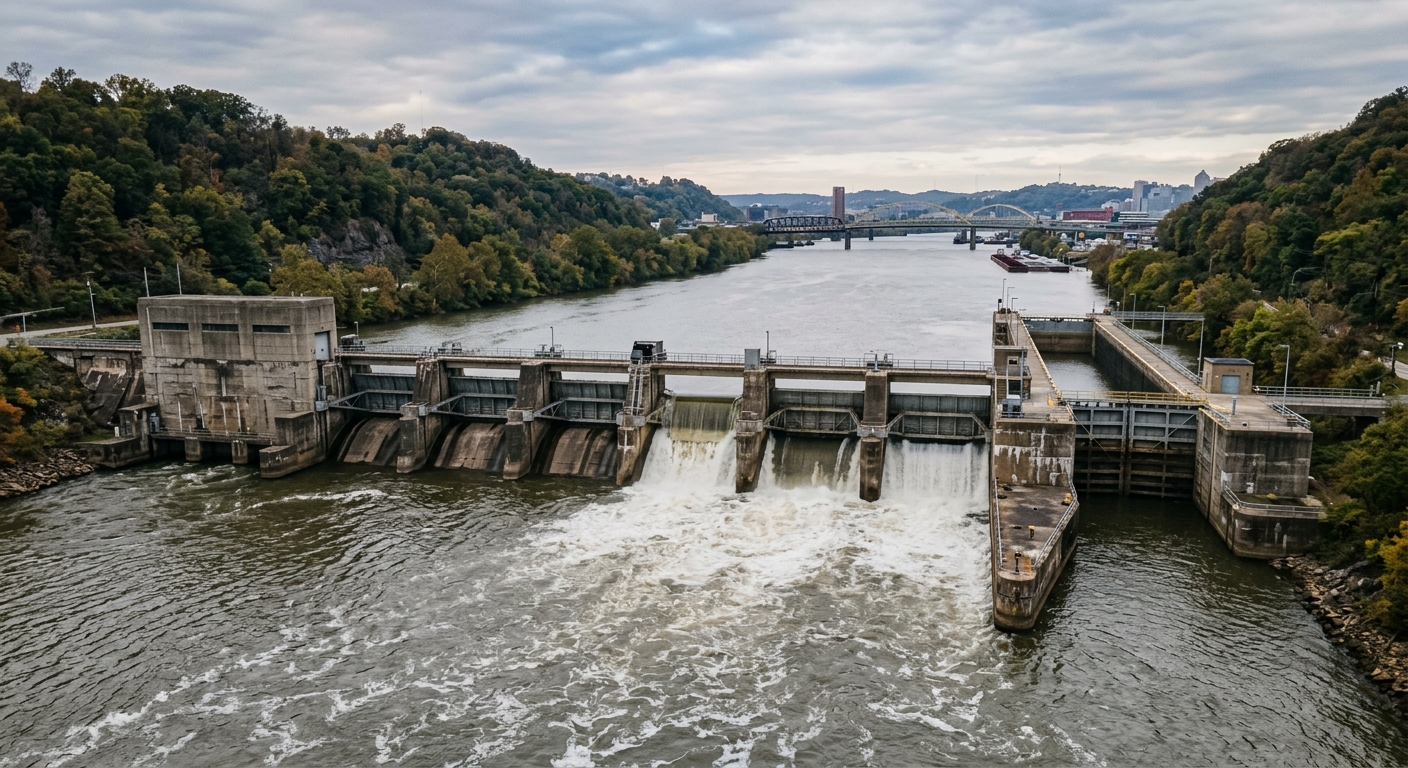
The Midwest’s iconic Mississippi Gorge stands at a crossroads as officials, experts, and residents contemplate the future of this 8.5-mile river corridor. Central to the debate is whether to pursue dam removal for the Lower St. Anthony Falls Lock and Dam and Lock and Dam No. 1—two structures that have profoundly changed the river’s natural state since their construction in the early 20th century.
Historic Transformation of a Midwest River
Once characterized by roaring rapids and vibrant ecosystems, the Mississippi Gorge saw its natural flow altered by a system of locks and dams intended to facilitate navigation and industrial growth. The lock and dam structures created artificial reservoirs, eliminated upstream fish spawning grounds, and redirected the course of the Mississippi River. While barge traffic was a dominant feature for decades, commercial navigation ceased in the gorge in 2015, prompting new questions about the future role of these facilities.
Renewed Attention on River Restoration
With navigation no longer a driving factor, momentum has grown for river restoration within the region. Proponents of dam removal envision a return to more natural river dynamics. Such changes could improve habitat for native fish species and foster a diverse aquatic environment by restoring lost spawning grounds and increasing connectivity between different stretches of the river. In the context of the urban river, advocates assert that removing the dams could also boost recreational use and attract visitors, giving a fresh vibrancy to nearby communities throughout the Midwest.
Challenges: Sediment, Safety, and Hydroelectric Power
Despite growing support for ecological restoration, significant concerns remain. Centuries of river use have deposited toxic sediment on the riverbed, raising questions about how best to manage potential health and environmental risks if the water flows freely again. Additionally, changes to the river’s flow could pose new flood management challenges for communities along the riverbank. The dams’ role in generating hydroelectric power is also under review, as any potential removal would impact local renewable energy production and could trigger broader regional discussions about sustainable energy supplies.
Combating Invasive Carp and Protecting Native Species
Another motivating factor for dam removal is the opportunity to address the spread of invasive carp, which have disrupted native ecosystems across the Mississippi River basin. Researchers are investigating genetic biocontrol and other innovative strategies to manage carp populations in this stretch of the river. At the same time, river restoration could offer much-needed support to native fish species trying to reestablish their presence in this critical urban corridor.
Public Input and Federal Review Shape the Path Forward
The U.S. Army Corps of Engineers is currently conducting detailed studies on the future of the Lower St. Anthony Falls and Lock and Dam No. 1. The federal process, a model being replicated across the Midwest, weighs whether to maintain, transfer, or remove these historic structures altogether. This process is heavily reliant on public input, and community voices are critical as decision-makers consider the diverse perspectives of residents, local governments, businesses, and Tribal nations. Calls for ecological restoration are being balanced with concerns about cultural heritage, public safety, and economic interests in the region.
National Trends and Regional Implications
The push for dam removal is not unique to this region. Across the U.S., communities are increasingly choosing to dismantle aging or obsolete structures in favor of restoring river systems. The experience of the Mississippi Gorge offers a test case for other urban river areas facing similar decisions, potentially setting a precedent for future river restoration efforts nationwide.
Looking Ahead: A Transformative Moment for the Mississippi River
Decisions regarding the fate of the Mississippi Gorge’s locks and dams will ultimately shape the river’s character for generations. The complex interplay of historic infrastructure, environmental stewardship, energy needs, and civic engagement highlights the importance of thorough deliberation and community participation. As the Midwest weighs its options, the voices and visions emerging from public input will help determine whether the region embraces a renewed, more natural Mississippi River—an outcome with far-reaching environmental and cultural effects throughout the heartland.