- calendar_today August 14, 2025
The Midwest real estate market in 2025 is navigating a transition toward stability. While interest rates have leveled off, the past few years of economic shifts continue to influence investor behavior. Across states like Illinois, Ohio, Michigan, Indiana, Missouri, and Wisconsin, developers and buyers are focusing on consistent cash flow, strategic locations, and demographic alignment.
So where’s the smart money going? Across the region’s mix of industrial hubs, university towns, and growing metros, seven key property types are standing out. These sectors are not only weathering the economic headwinds—they’re evolving with the Midwest’s unique growth patterns.
Multifamily Housing: The Reliable Performer
Multifamily housing continues to be a stronghold in Midwest cities. In 2025, Class B and C apartment buildings in cities like Columbus, Kansas City, Grand Rapids, and Indianapolis are maintaining high occupancy rates as homeownership remains difficult for many.
In markets like Cleveland, Milwaukee, and St. Louis, mid-rise apartments and build-to-rent townhomes are popular among working-class tenants. These properties offer affordability and reliability in areas where population retention is strong. Rent growth remains modest but steady—typically 2.5–3.5%—making this asset class a staple in many regional portfolios.
Industrial Properties: Still a Growth Engine
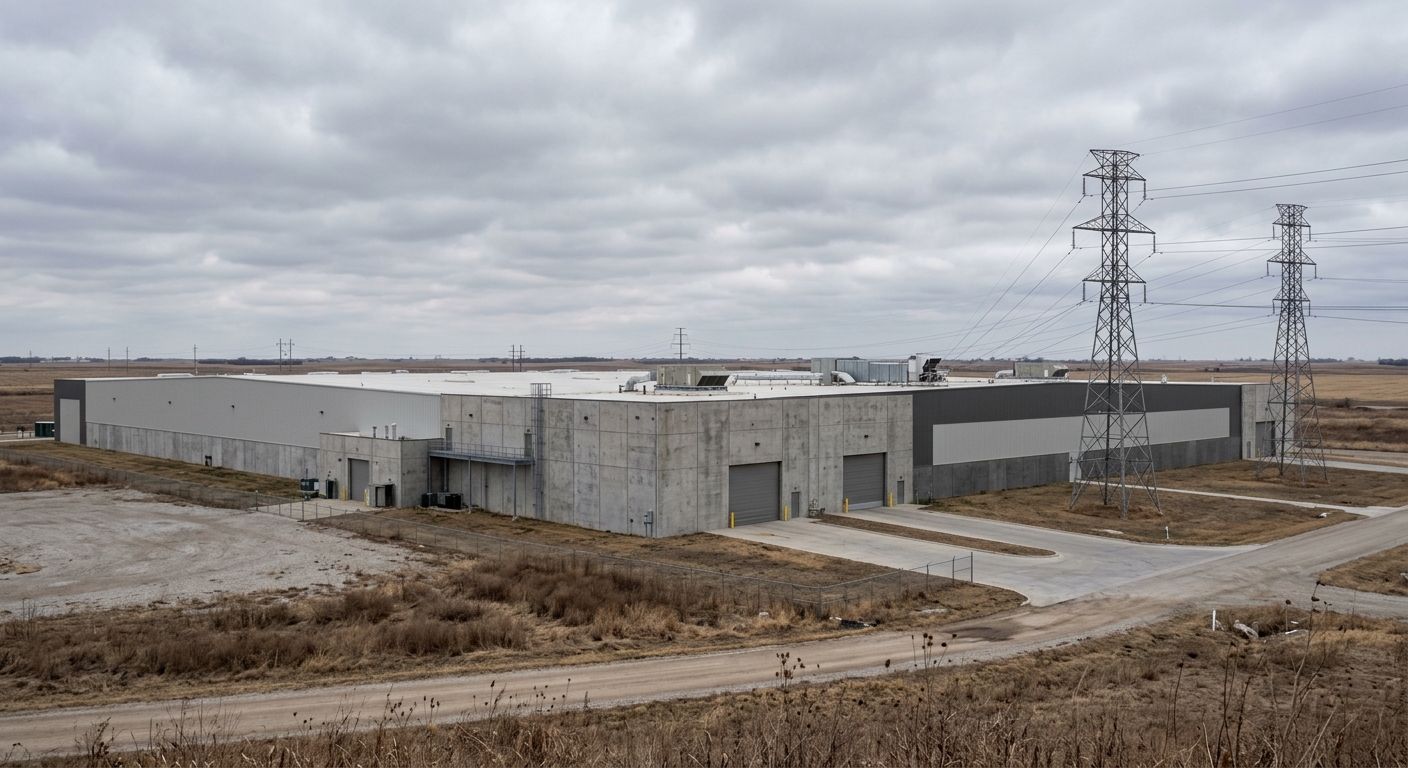
The Midwest remains a logistics and manufacturing powerhouse. From Chicago’s massive warehousing networks to Columbus and Detroit’s distribution corridors, industrial space is tight and rents are rising.
JLL’s 2025 report notes vacancy rates as low as 3.8% in areas like Indianapolis and central Ohio, with annual rent increases around 6–7%. Cold storage facilities, last-mile hubs, and light manufacturing sites are especially in demand. The rise of reshoring, automation, and AI-driven logistics continues to funnel capital into the region’s industrial sector.
Single-Family Rentals in Suburban Markets
Across the Midwest, single-family rentals (SFRs) are booming in suburbs surrounding major metros like Chicago, Cincinnati, and Minneapolis. Families are seeking more space and good schools without the upfront costs of buying, making SFRs an ideal solution.
Roofstock’s 2025 data shows investor confidence growing in markets like Fort Wayne, Dayton, and the Twin Cities suburbs. These homes often attract long-term tenants and lower turnover than multifamily units. Investors appreciate the steady rent growth and relatively low maintenance burdens.
Population Shifts: Small Cities on the Rise
While major cities like Chicago and Detroit remain important economic centers, many Midwesterners are relocating to smaller cities with affordable housing and growing job markets. Cities like Des Moines, Madison, and Springfield (MO) are benefiting from remote work and a lower cost of living.
Developers are increasingly targeting these areas for new housing, commercial retail, and light industrial space. Infrastructure investment, university expansion, and economic diversification are helping reposition these cities as viable long-term growth hubs.
Mixed-Use Developments & Downtown Revival
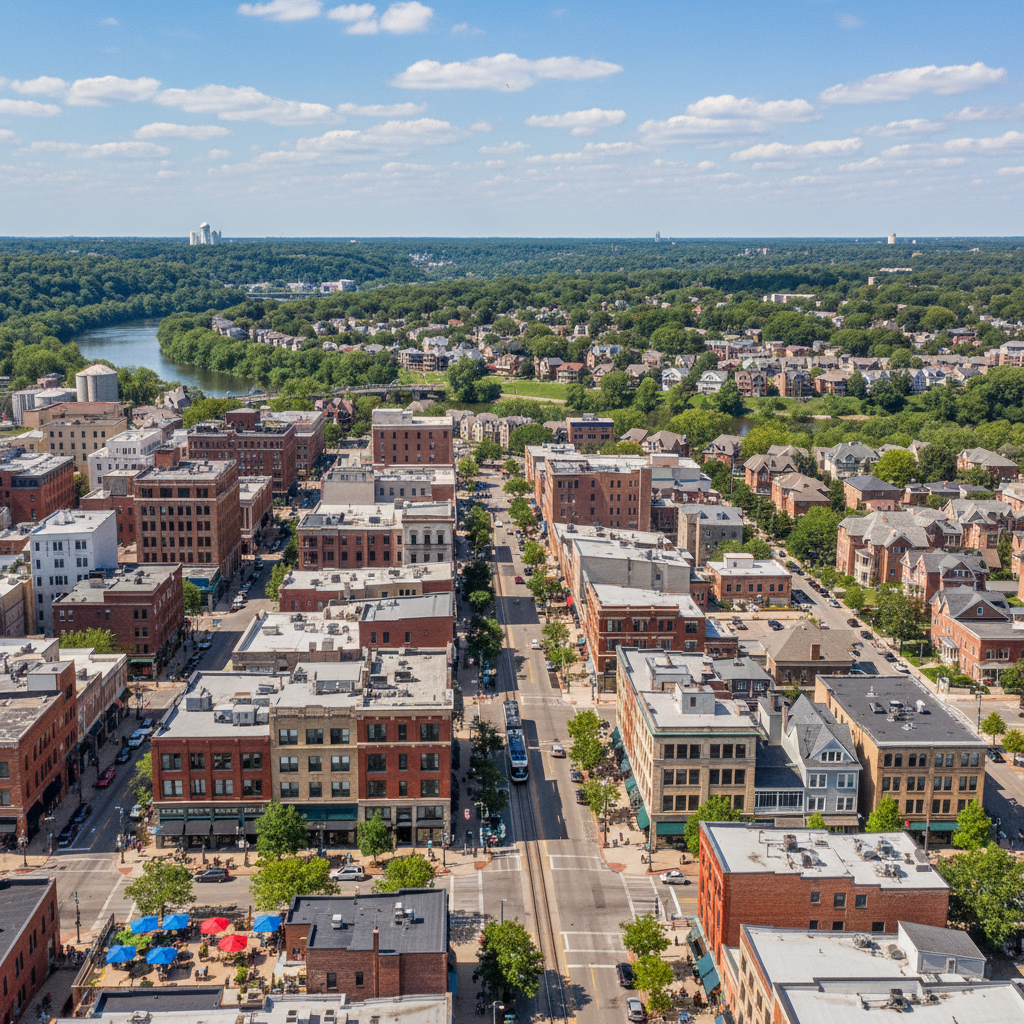
Downtown cores in cities like Grand Rapids, Dayton, and Omaha are experiencing a resurgence in mixed-use development. These projects integrate apartments, retail, and coworking spaces, revitalizing once-dormant districts with walkable, community-focused environments.
Even in larger markets like Cincinnati and St. Louis, outer-urban neighborhoods are seeing transformation through adaptive reuse and lifestyle-focused development. Although permitting and construction challenges exist, demand from young professionals and downsizing boomers remains strong.
Niche Assets on the Rise: Senior & Student Housing
Senior housing demand is increasing across the Midwest, particularly in affordable and healthcare-accessible cities like Toledo, Peoria, and Madison. Assisted living, memory care, and independent living facilities are seeing higher occupancy rates as baby boomers age into retirement.
Student housing is also holding strong in college towns like Ann Arbor, Bloomington, and Ames. Pre-lease rates remain high—often above 90%—and students are seeking furnished, amenity-rich apartments. Investors targeting university markets are seeing solid yields and predictable demand.
Risk Factors and Investment Cautions
While the Midwest offers many advantages—affordable entry points, stable populations, and job diversity—it’s not without risk. Aging infrastructure in legacy industrial cities can require costly upgrades. Weather-related risks such as flooding and snow damage also impact insurance costs.
Local regulations vary, but some cities are exploring rent stabilization or short-term rental restrictions, which could affect long-term returns. Additionally, despite rate stability, financing remains more expensive than pre-2022 levels, making conservative underwriting essential.
Expert Insight: What the Analysts Say
“Industrial and workforce housing continue to lead the pack in the Midwest,” says Lauren Bellingham, senior economist at CBRE. “But what separates winners from average performers is understanding the nuances of each local market.”
Redfin’s 2025 Midwest Housing Trends report echoes that sentiment, highlighting that regional economic anchors—like healthcare, education, and logistics—are key to identifying smart investment opportunities. Tailored market knowledge remains essential.
Strategic Diversification is Key in 2025
Real estate success in the Midwest this year hinges on diversification and regional insight. Multifamily housing remains a core play, while industrial assets are benefiting from national logistics trends. Single-family rentals are gaining traction in commuter-friendly suburbs, and niche assets like student and senior housing are aligning with long-term demographic shifts.
Downtown revitalizations and smaller-city growth stories are adding new dimensions to the regional investment landscape. In 2025, investors who spread risk across these categories and make informed, location-specific decisions are best positioned to thrive in the Midwest’s steady but dynamic real estate environment.