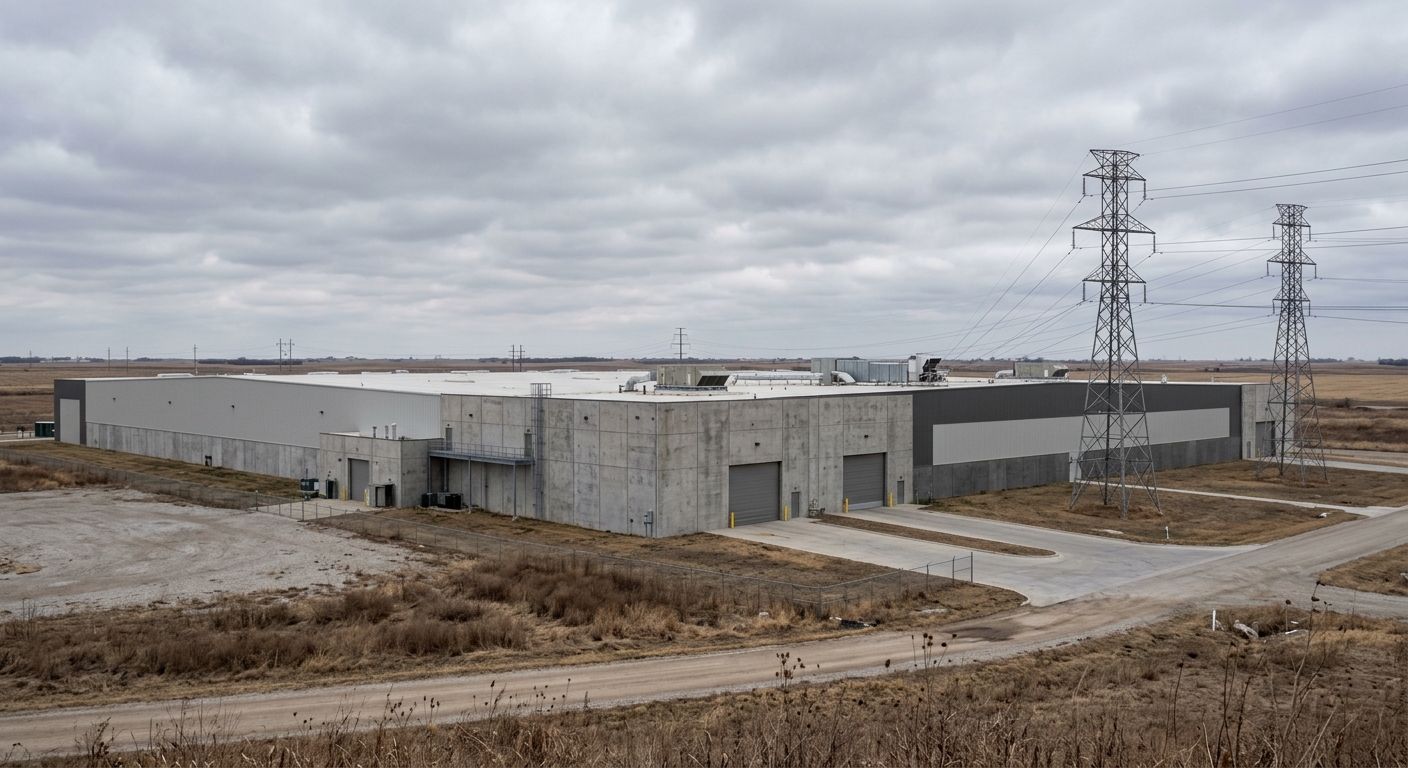
AI-generated illustration; not a photograph of the reported event.
- calendar_today September 2, 2026
The Midwest stands at a crossroads as communities assess the benefits and challenges of expanding data centers. While the potential for substantial economic investment has generated excitement, local officials stress the importance of safeguarding community interests and maintaining authority over development approvals.
Promise of Economic Growth from Data Centers
Many local governments in Missouri are grappling with large-scale data center projects that promise job creation and increased business activity. Advocates point to the opportunities these facilities could bring to regions seeking to modernize and diversify their economies. Governor Mike Kehoe has described these projects as “once-in-a-generation opportunities” capable of energizing Midwest communities. The demand for highly secure, connected, and efficient data storage solutions is projected to keep rising, further reinforcing the region’s potential as a data hub.
Local Control at the Forefront
Despite the projected benefits, local control remains a central issue. Many community leaders want assurance that proposed facilities will fit the area’s vision and deliver clear, long-term value. The debate is particularly vivid in counties such as St. Charles, Webster, and Jackson, where county officials have approved local moratoriums to pause new data center projects while conducting thorough reviews of their broader impacts. These decisions underscore local governments’ desire to weigh the costs and benefits of development before making irrevocable commitments.
Infrastructure and Utilities Under Scrutiny
Among the key infrastructure concerns are the demands data centers place on roads, services, and utility networks. Policymakers warn that unchecked growth could strain existing systems, leading to issues related to road congestion, public health, and the environment. There is also heightened attention on the utilities impact, as data centers require significant electrical capacity and water resources for cooling. For many Midwest communities, ensuring their infrastructure can support such high-volume operations without adversity is paramount.
Call for Statewide Standards
Growing interest among legislators in Jefferson City signals momentum for establishing statewide standards that would guide the siting and management of Missouri data centers. Lawmakers suggest such measures could provide clearer expectations for operators while ensuring local voices are heard. By outlining best practices for environmental safeguards, community consultation, and utility provision, officials aim to balance innovation with oversight.
Debate Over Tax Policy and Economic Incentives
Some state and regional leaders, including National Taxpayers Union President Pete Sepp, favor consistent and competitive tax policies as the best way to attract investment without risking community welfare. Sepp warns against imposing restrictive measures or increased taxes, suggesting instead that a uniform approach would fuel industry growth. For now, discussions continue about how Missouri data centers and their counterparts across the Midwest might benefit from targeted incentives while aligning with broader policy priorities.
Responding to Community Concerns
At the heart of the ongoing debate are community concerns about transparency, the environmental footprint, and local benefits. Residents and civic groups have pressed for clear guidelines, voicing questions about noise, land use, and service reliability. Local boards and city councils engage stakeholders in public meetings, striving to reach solutions that reflect a balance between industry needs and resident priorities.
Outlook: Finding Common Ground
As interest in data center projects grows throughout the Midwest, stakeholders from city halls to state legislatures search for the right formula. With economic investment, local control, and community engagement all top of mind, Missouri’s experience may serve as a guide for other regions navigating similar challenges. The conversation continues as regional leaders deliberate on the future role of data centers in shaping the Midwest’s economy and community landscape.