- calendar_today June 9, 2026
The Midwest continues to confront mounting concerns related to an open air drug market operating near Blaisdell Avenue in Minneapolis. Community members, officials, and outreach organizations are working to address persistent safety issues while seeking long-term solutions for the region’s unhoused population.
Residents Report Persistent Issues at Drug Use Site
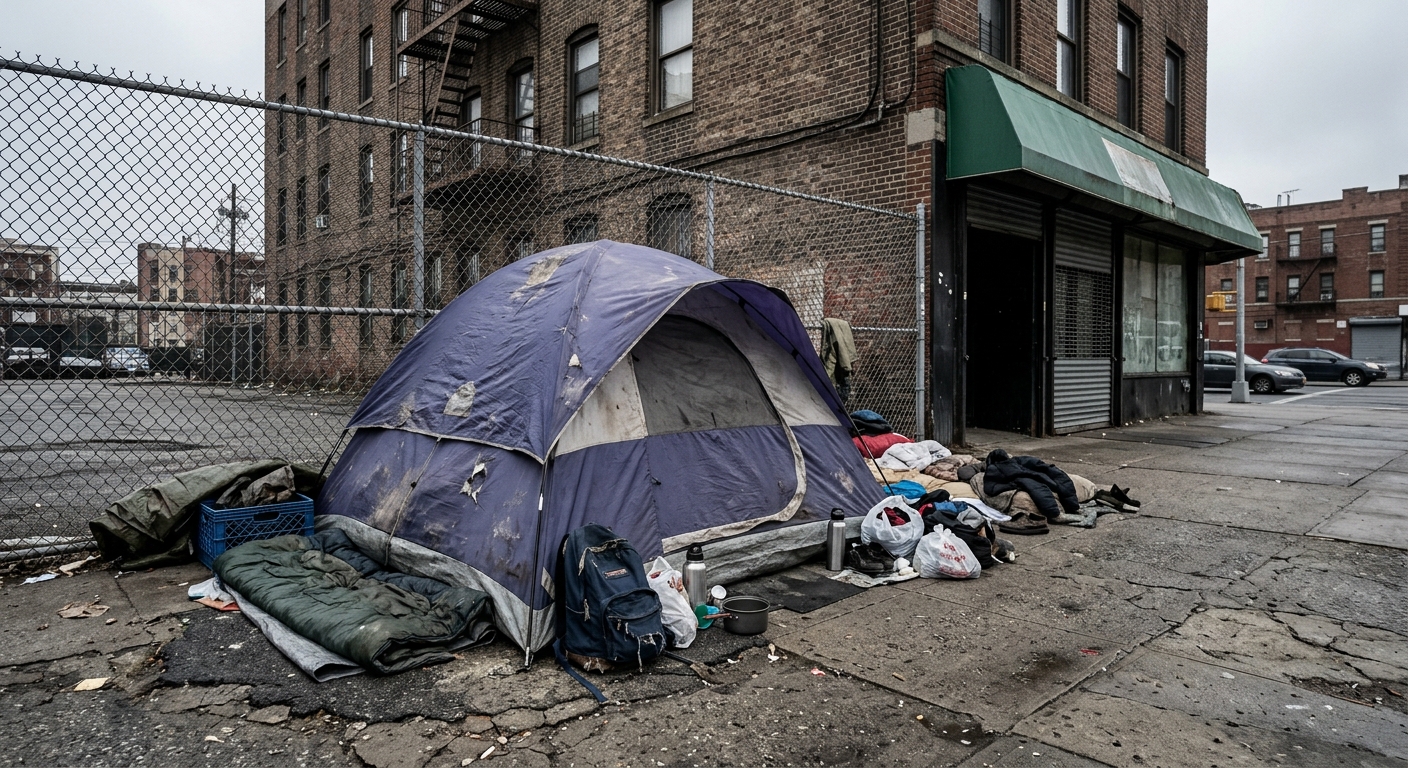
Local residents and property managers say the area has become an active drug use site and unhoused encampment, despite a significant city cleanup last year. Property managers overseeing complexes like Park Square Condominiums report more than $100,000 spent on increased security measures due to ongoing theft, vandalism, and trespassing incidents. Residents are concerned about their safety and the risk of further property damage, while acknowledging the urgent needs of those struggling with addiction and homelessness.
Voices From the Encampment and Local Businesses
Individuals who frequent the site admit to ongoing substance activity but emphasize that the minneapolis drug market near Blaisdell Avenue represents one of the few places where those with addiction and housing instability can gather without fearing police harassment. At the same time, business owners in the Midwest neighborhood have observed a noticeable dip in customer traffic, often attributing it to concerns about community safety and increased reports of suspicious activity in the vicinity.
Homelessness Challenges Complicate Solutions
Neighbors and advocacy groups stress the complexity of addressing homelessness challenges, particularly when compounded by addiction issues. Outreach workers and city officials agree that simply displacing people is not a viable answer. Many community members argue for collaborative approaches that address root causes rather than opting for cycles of removal and return, which further destabilize already vulnerable populations.
Increased Police Patrols and Ongoing Enforcement
The Minneapolis Police Department has responded with frequent police patrols and stepped-up enforcement, resulting in numerous arrests. However, officers say that many detained individuals quickly return, highlighting the problem of repeat offenders within the open air drug market environment. These patterns pose continuing obstacles for law enforcement seeking to balance public safety concerns and compassionate response to crisis situations.
Community Initiatives for Drug Addiction Support
Several regional organizations have expanded efforts to provide drug addiction support and housing resources, sending outreach workers to the site on a regular basis. Recent interventions have resulted in successful placements for some unhoused individuals. These housing outreach initiatives demonstrate that sustained engagement and support can lead to gradual improvement, though the overall population in need remains significant across the Midwest.
Crime Increase Underscores Need for Comprehensive Approach
Public safety data for the Whittier neighborhood, incorporating Blaisdell Avenue, reflect a measurable crime increase, including a rise in assaults, shootings, and thefts over the past year. This uptick has increased calls for multifaceted responses that combine public safety measures, outreach services, and long-term housing plans. Authorities, residents, and nonprofit leaders regularly meet to seek consensus on balancing security with compassion for those experiencing homelessness and substance use disorders.
Balancing Community Safety and Support for Vulnerable Populations
The evolving situation at the site has intensified debate among stakeholders in the Midwest. Many argue that real solutions lie in continued community safety efforts supplemented by robust social services and addiction treatment access. Local leaders emphasize that ongoing engagement with both housed residents and the unhoused encampment community remains critical to finding lasting resolutions that respect the needs of all parties.
As the region looks for sustainable answers, it is clear that the challenges surrounding the open air drug market will require coordinated action and support—reflecting the broader complexities facing Midwest neighborhoods contending with homelessness, addiction, and community well-being.