- calendar_today June 4, 2026
The U.S. Forest Service has implemented a boundary waters fire ban throughout the Boundary Waters Canoe Area Wilderness (BWCAW), citing persistent dry conditions and an escalating wildfire risk across the Midwest. The ban, which will remain in effect through June 30, comes as regional temperatures soar above historical averages and fire officials warn of increased summer fire risk statewide.
Campfire Restrictions in Place Amidst Rising Wildfire Risk
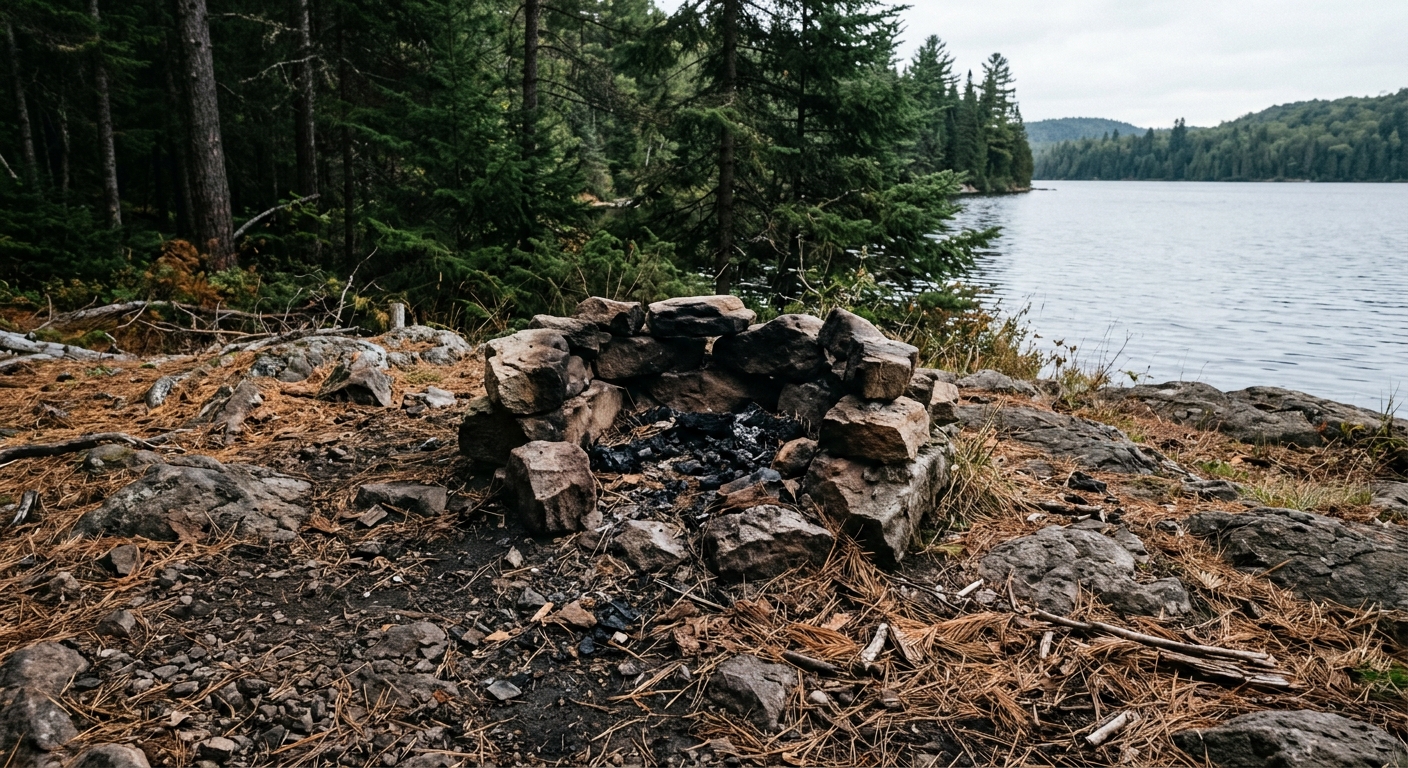
With dry conditions in Minnesota intensifying, the Forest Service ban specifically prohibits all open fires, including campfires, within the BWCAW. Outdoor enthusiasts and visitors are still permitted to use gas and propane stoves, but traditional campfires are strictly off-limits. Authorities hope these campfire restrictions—enforced throughout the popular wilderness destination—will help in wildfire prevention efforts as the peak recreation season approaches in the region.
Recent Wildfires Spur Emergency Response
The ban follows a series of recent Minnesota wildfires, including the Flanders fire and the Stewart Trail fire, both of which erupted last month in northern Minnesota. Collectively, these blazes scorched over 2,000 acres and prompted a state of emergency declaration. In response, the Minnesota National Guard was deployed to support fire suppression and safeguard communities bordering the wilderness area. The severity and frequency of such incidents have placed spotlight on outdoor fire safety as public agencies brace for what could be an unusually dry summer in the Midwest.
Warming Trends and Drought: A Perfect Storm
Meteorological data indicate the spring season in the region was 2.7 degrees warmer than average, marking it as Minnesota’s 16th warmest in over a century and a half. This warming, combined with limited precipitation, has left much of the state abnormally dry—an environment highly conducive to wildfire outbreaks. The Midwest’s dry conditions Minnesota routinely faces have been exacerbated by global climate trends, making the need for wildfire risk mitigation more urgent than in typical years.
Calls for Vigilance and Regional Cooperation
State and federal officials are urging both residents and visitors to comply with all fire restrictions. Adhering to the boundary waters fire ban and related outdoor fire safety guidelines is critical to minimizing preventable wildfire incidents. Local agencies and conservation groups throughout the Midwest are working together to educate the public on the importance of fire safety, particularly as visitors flock to the boundary waters canoe area during prime paddling months.
Impact on Local Recreation and Planning Ahead
The ongoing forest service ban has altered plans for campers, outfitters, and outdoor organizations in northern Minnesota. While some recreationists may experience inconvenience, authorities stress that wildfire prevention must take precedence amid elevated summer fire risk. Until significant, consistent rainfall returns to the region, the likelihood of lifting the boundary waters fire ban remains low. The community is encouraged to stay updated on restrictions and to prioritize safety over tradition during this heightened period of concern.
Looking Forward: Addressing Climate and Safety
Public officials and environmental experts warn that dry, warm summers may become increasingly common in Minnesota unless substantial climate adaptation and resilience measures are undertaken. Meanwhile, the Forest Service and regional partners continue to monitor drought conditions and wildfire activity. The boundary waters canoe area, a cherished gem of the Midwest, will rely on strong compliance with safety regulations to protect its forests, waterways, and neighboring communities throughout the remainder of the fire season.