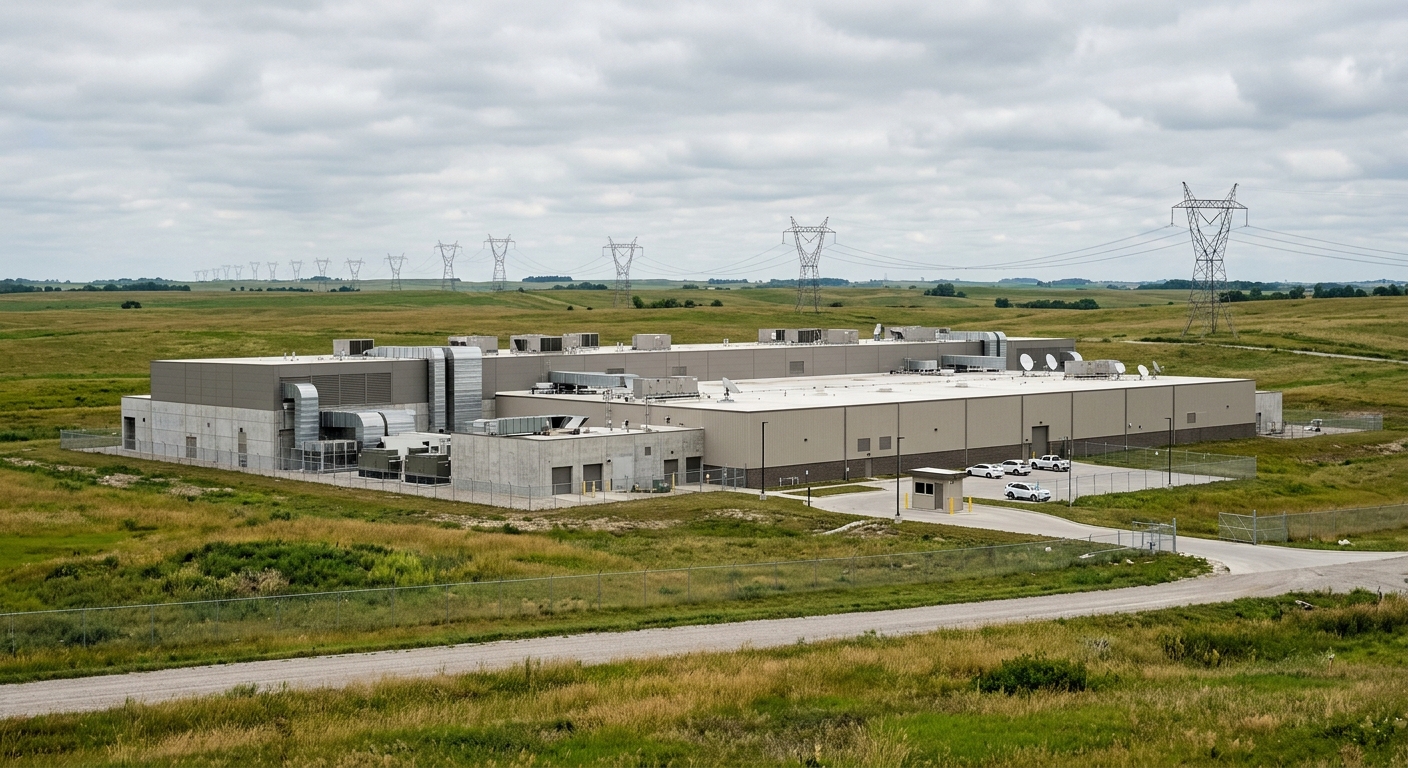
AI-generated illustration; not a photograph of the reported event.
- calendar_today October 22, 2026
Introduction: Data Centers and AI at the Forefront
The upcoming Minnesota gubernatorial election puts the spotlight on how the state will handle the influx of new data center proposals and navigate the sweeping impacts of artificial intelligence on the economy and workforce. Democratic U.S. Sen. Amy Klobuchar and Republican House Speaker Lisa Demuth, both running for governor, have outlined their positions regarding data centers, AI, and regulatory priorities.
Construction of Data Centers: Supporting Growth with Oversight
Both Klobuchar and Demuth have stated they do not support a complete moratorium on new data center construction. Instead, they favor allowing projects only with local community approval and emphasize the need for proper vetting at the local level.
Lisa Demuth's Stance
Demuth generally supports building data centers in Minnesota. During her tenure as House Speaker, she endorsed the extension of significant industry tax breaks in 2025, while the legislature also removed a sales tax exemption for electricity used by large-scale data centers. Demuth maintains that these projects are a "local issue" and should be vetted thoroughly by affected communities. She also highlighted her role in negotiating bipartisan legislation aimed at protecting resident energy bills and creating equitable energy costs for data centers compared to other businesses.
Amy Klobuchar's View
Klobuchar argues that final authority over data center projects should reside with Minnesotans and emphasizes the importance of strong state standards and local control. She has pledged to require annual public reports detailing energy and water use as well as jobs created by data centers. Klobuchar would also mandate developers to fully disclose estimated electricity demand, water consumption, backup generation, noise levels, grid upgrades, and requested tax incentives before any local approval. While some information is already disclosed voluntarily or via environmental reviews, Klobuchar aims for greater transparency to avoid situations where companies withhold key details.
Klobuchar praised 2025 legislation that established new guidelines for data center construction aligning with climate goals and water protection. She noted these policies passed when Demuth was House Speaker, but credited Democrats with playing a key role in advancing them.
Nondisclosure Agreements: Calls for Increased Transparency
Amy Klobuchar's Position
Klobuchar vowed to sign legislation banning local government officials from entering into nondisclosure agreements (NDAs) related to data center projects. She criticized practices where tech firms and developers use NDAs and code names to obscure project details, citing public outcry in cities such as Hermantown and Pine Island. Klobuchar attributed the failure of an NDA ban in the Legislature earlier this year to Demuth and House GOP leaders, pointing to competing versions of the bill and its ultimate defeat in committee.
Lisa Demuth's Statement
Demuth did not initially clarify her position after the NDA ban's defeat. However, in September, she stated she would sign a law prohibiting local governments from making nondisclosure agreements with data center developers. Demuth's campaign argues that she was not responsible for the committee vote that blocked the legislation since she did not serve on that committee.
Regulating Artificial Intelligence: Seeking Guardrails and Opportunity
Artificial intelligence represents a significant area of economic and workforce transformation. Demuth has advocated for establishing "guardrails" to ensure responsible use of AI as the technology advances. She pointed out the potential benefits for Minnesota businesses, including the technology's role in fraud detection.
Local Control and Economic Impact
Both candidates emphasize the importance of local control in approving data center projects. They recognize the economic impact of data center construction, which could bring a surge in construction-related jobs alongside uncertainty for knowledge workers affected by AI-driven changes.
Conclusion: Voters to Decide on Data Center and AI Policy Direction
With Minnesota facing both opportunities and challenges from data center development and the rise of artificial intelligence, the next governor will play a pivotal role in shaping regulations, ensuring transparency, and balancing growth with community needs and resource protection.
Source: startribune.com.