- calendar_today August 15, 2025
Hyundai’s Expansion Fuels Growth in the Heartland
Introduction
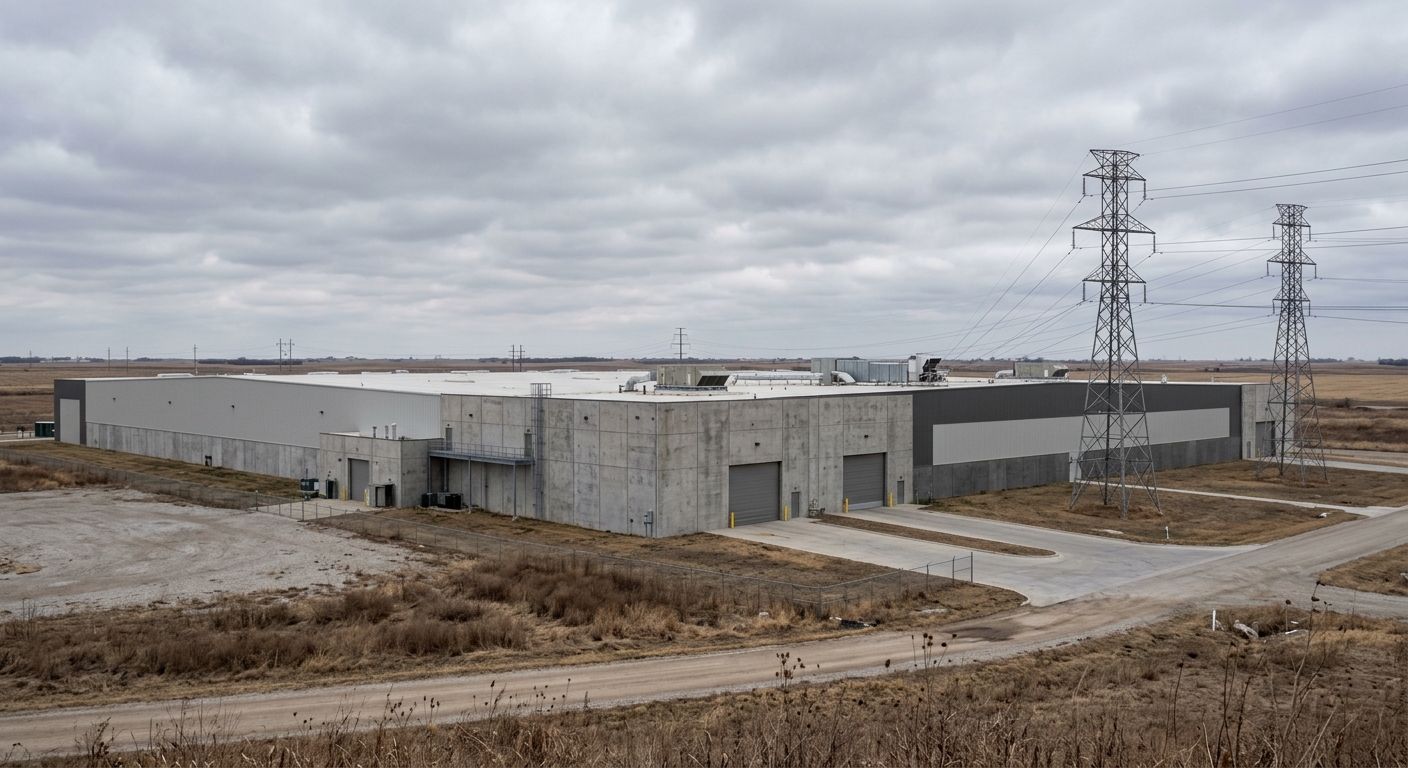
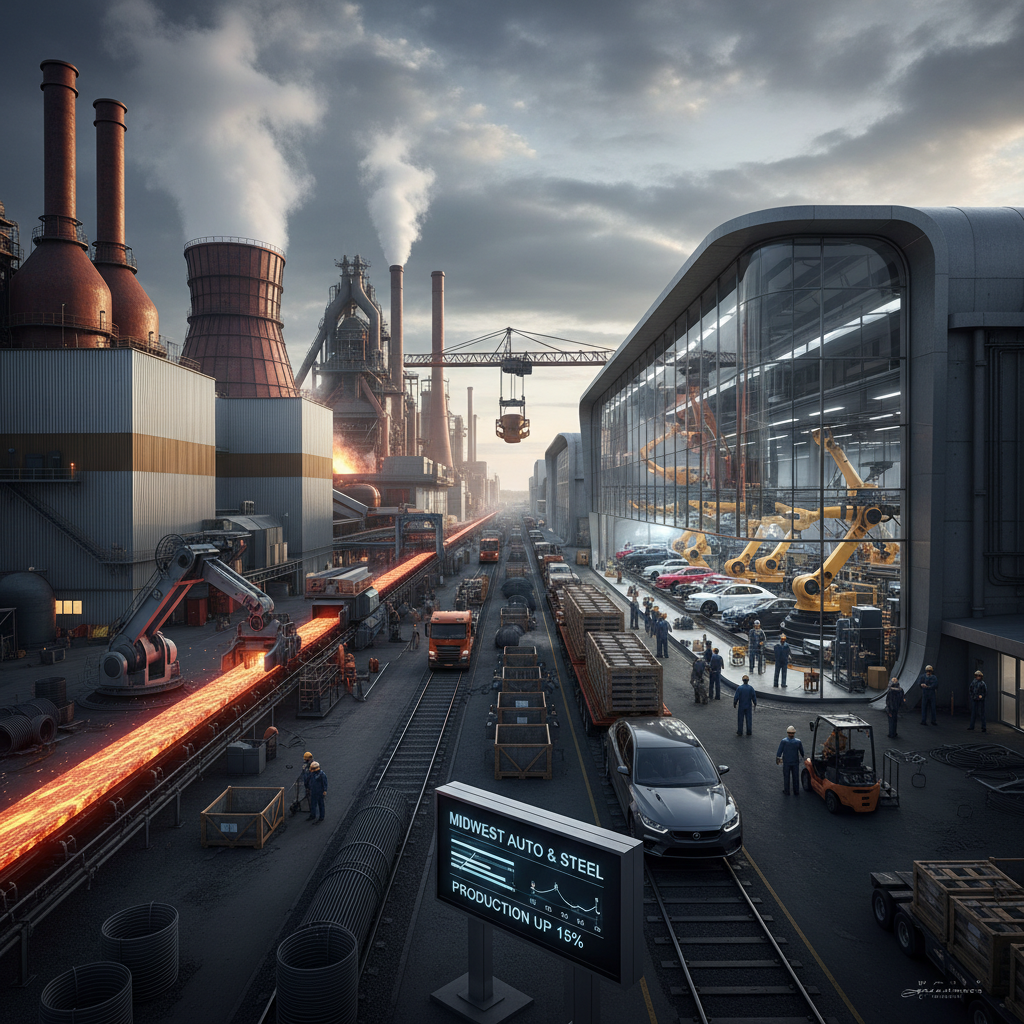
Hyundai’s milestone investment of $21 billion in the United States radiates positive waves across the Midwest. The construction of a new steel plant and an augmented auto manufacturing operation is expected to revive the industrial backbone of the region, creating thousands of jobs in the process, while consolidating the Midwest as a hotspot for the new automotive and manufacturing landscape.
Investment Highlights
This strategic investment is expected to enhance Hyundai’s U.S. operations while empowering local industries. Indeed, the Midwest stands to gain significantly from many different facets of Hyundai’s expansion into:
Automobile Manufacturing Growth
Increased domestic production will strengthen partnerships with local auto suppliers, parts manufacturers, and dealerships, advancing economic growth in the region.
Steel Industry Expansion
Hyundai’s new steel plant will not just lessen reliance on imported materials, but build strong supply chains supporting other industries such as construction and logistics.
Job Creation and Economic Activity
The investment is also expected to create thousands of jobs, especially in engineering, skilled trades, logistics, and advanced manufacturing, bringing long-term benefits to the labor force in the region.
Economic Implications for the Midwest
The Midwest, with its skilled labor and legacy infrastructure, has been the bulwark of American manufacturing. With the investment by Hyundai, the economic relevance of the Midwest is being boosted further:
Resilient Supply Chains
With enhanced domestic steel and auto production, Hyundai will be strengthening the regional supply chains to eliminate bottlenecks and enhance resilience.
Infrastructure Investment
Usually, such large projects lead to the enhancement of roads, railways, ports, and other logistics infrastructure, improving efficiencies and securing more investment.
Workforce Development
With new job opportunities on the horizon, there will be a renewed focus on education, vocational training, and industry-academia partnerships that promise to position this region as a talent-rich destination for advanced manufacturing.
Barriers and Considerations
Nevertheless, despite all the optimism presented, many barriers will have to be addressed directly to ensure the sustained success of Hyundai’s investment in the Midwest region:
Global Market Competition
Other U.S. regions and global hubs are also vying for auto and steel investments. The Midwest must remain competitive through innovation and incentives.
Environmental and Regulatory Compliance
The development of new industrial facilities must align with environmental regulations and sustainability goals, ensuring Hyundai’s expansion is both profitable and eco-conscious.
Economic Volatility
Challenges like trade tensions, inflation, labor shortage, or geopolitical risk can affect timelines and margins, and hence flexible policymaking and business planning are needed.
Midwest Business Opportunities
The investment triggers a tsunami of opportunities for local institutions and businesses willing to ride Hyundai growth:
Support for SMEs
Small and medium-sized enterprises (SMEs), especially in manufacturing and logistics, can scale operations to meet Hyundai’s production needs, creating a ripple effect of regional prosperity.
Technology and Innovation
Seek higher demand for robotized production lines, AI-based manufacturing solutions, and green steel production, creating a window for technology firms and start-ups.
Education and Training Partnerships
Hyundai could partner with colleges, technical institutions, and trade schools to provide specially tailored training modules to churn out next-gen industrial designers, engineers, and technicians.
Future Outlook
Hyundai Midwest’s $21 billion investment is not growth for business but a prudent reinvestment in America’s industrial future. For the Midwest, this translates to being able to rise again as a new manufacturing leader, specifically with the electric vehicle (EV) and sustainability push of the auto industry.”.
By public-private partnerships, infrastructure investments, and building its talent pool, the Midwest can tap long-term economic dividends and drive innovation across sectors.
Conclusion
Hyundai’s ambitious expansion marks a defining moment for Midwest manufacturing. As new steel and auto production facilities come online, the region stands to benefit from an influx of investment, talent, and technology. With strategic planning and community collaboration, the Midwest can transform this momentum into lasting economic strength, ensuring its relevance in the next era of American industry.