- calendar_today August 23, 2025
The future of Google’s smart home platform looks promising as it moves towards the significant development of the Google Home app. Google directs its efforts towards both the incorporation of Nest devices into the Home app and a complete redesign to improve functionality and ease of use. The transformation process relies on a deeper and more pervasive integration of Gemini AI which will usher in an era of intuitive control and intelligent automation for connected homes. The Home API’s extended support for third-party devices alongside other technological progressions establishes the foundation for a smart home experience that combines seamless unity with proactive features.
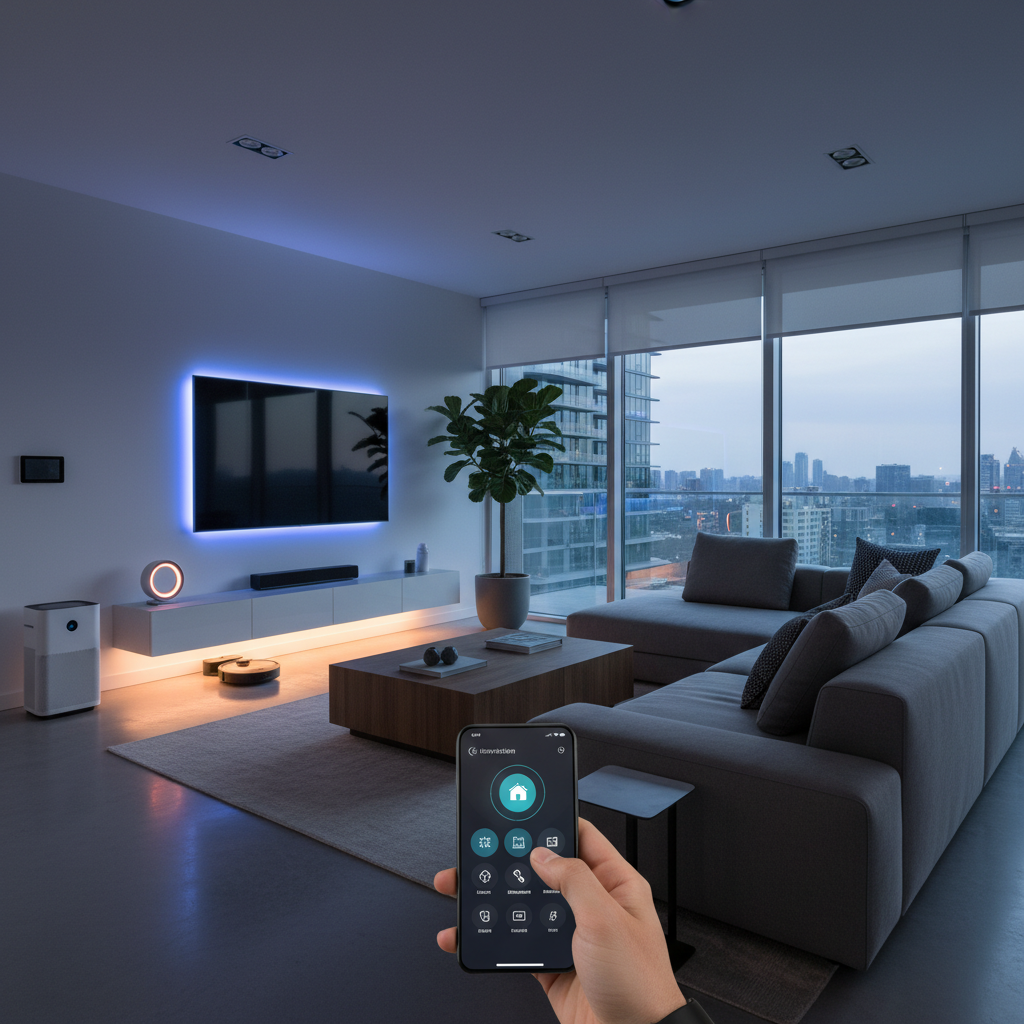
Google Home app functions as the main control hub for operating both Google devices like cameras and thermostats and an expanding range of compatible gadgets from various manufacturers. A mixed smart home setup has been feasible from the beginning yet remains difficult to manage because of the complexity of handling many different devices. Google asserts that introducing artificial intelligence through Gemini will lead to a more seamless and user-friendly environment.
Gemini’s Expanding Reach: From Labs to a Unified Smart Home
Google launched the development of this AI-enabled smart home by testing Gemini integrations within Google Home last year. Google has broadened accessibility so that more third-party devices can now access Gemini functionalities through the Home API. The project marks an essential milestone in creating a smart home system that fully supports interoperability. Google has maintained diligent efforts to integrate select partner devices before general availability. First Alert smoke/carbon monoxide detector and Yale smart lock which will replace Google’s discontinued Nest devices stand as the initial products to experience deeper integration from the recent announcement. The collaboration with pioneering partners like Cync Lighting, Motorola Tags, and iRobot vacuums illustrates a commitment to integrating multiple smart home categories.
The main advantage of the Gemini expansion is its ability to transform smart home automation systems. Google’s Labs program has made advancements that enable users to build complicated routines through conversational AI functions with exceptional simplicity. By instructing Gemini to “Remind me about package deliveries” or “Detect unwanted animals in my garden,” users can bypass the cumbersome menu navigation process as the AI sets up required automation. Through natural language interaction, smart home automation becomes accessible to broader audiences without requiring technical expertise. Gemini can now detect more smart home devices through its extended support for the automation API which allows it to provide improved automated task recommendations. Google has announced that the Gemini expansion will bring in additional triggers based on real-world conditions like specific dates and weather patterns to improve home automation sophistication and relevance.
Modern smart home configurations become so intricate that they make it difficult to understand the activities within the home. Google Home’s “favorites” page provides some simplification but the company unveils a new tool that delivers insights that users can access instantly and understand easily. The Home Summary Widget delivers continuous updates on your smart home’s condition through your Android device. The dynamic widget has the ability to alert you when a package arrives at your door and to remind you about lights that were accidentally left on. The snapshot view of home data offers users a sense of security while supporting active management of their home environment.
A select group of Pixel phones are currently being used to test this pioneering Home Summary Widget. Google expects to make this feature available to more users through its Labs program soon which will enable more people to test its benefits and give important feedback. Google remains cautious about a general public release and avoids making specific commitments at this time. Google demonstrates its dedication to extensive testing and optimization through its gradual rollout plan before expanding deployment.
Google advises developers who want to learn about these new APIs and help shape Google Home’s growth to subscribe to its smart home developer newsletter. Subscribers to the smart home developer newsletter will get timely updates about the new capabilities in the upcoming early access program later this year. The message is clear: Google is enhancing its smart home solutions while encouraging developers to participate in creating intelligent living solutions. Since Gemini leads the project and open standards are now prioritized, Google Home will soon provide a smarter home experience that is both automated and intuitive for its users. Through its ongoing efforts toward enhanced integration and intuitive control systems plus proactive features, Google demonstrates its dedication to building smart homes which function effectively while integrating smoothly into everyday activities.