- calendar_today July 19, 2026
In the Midwest, suburbs surrounding the Twin Cities are stepping into the spotlight as leaders in introducing missing middle housing options, responding to a persistent regional housing shortage through targeted zoning reforms.
Suburbs Explore Duplex Zoning Reforms
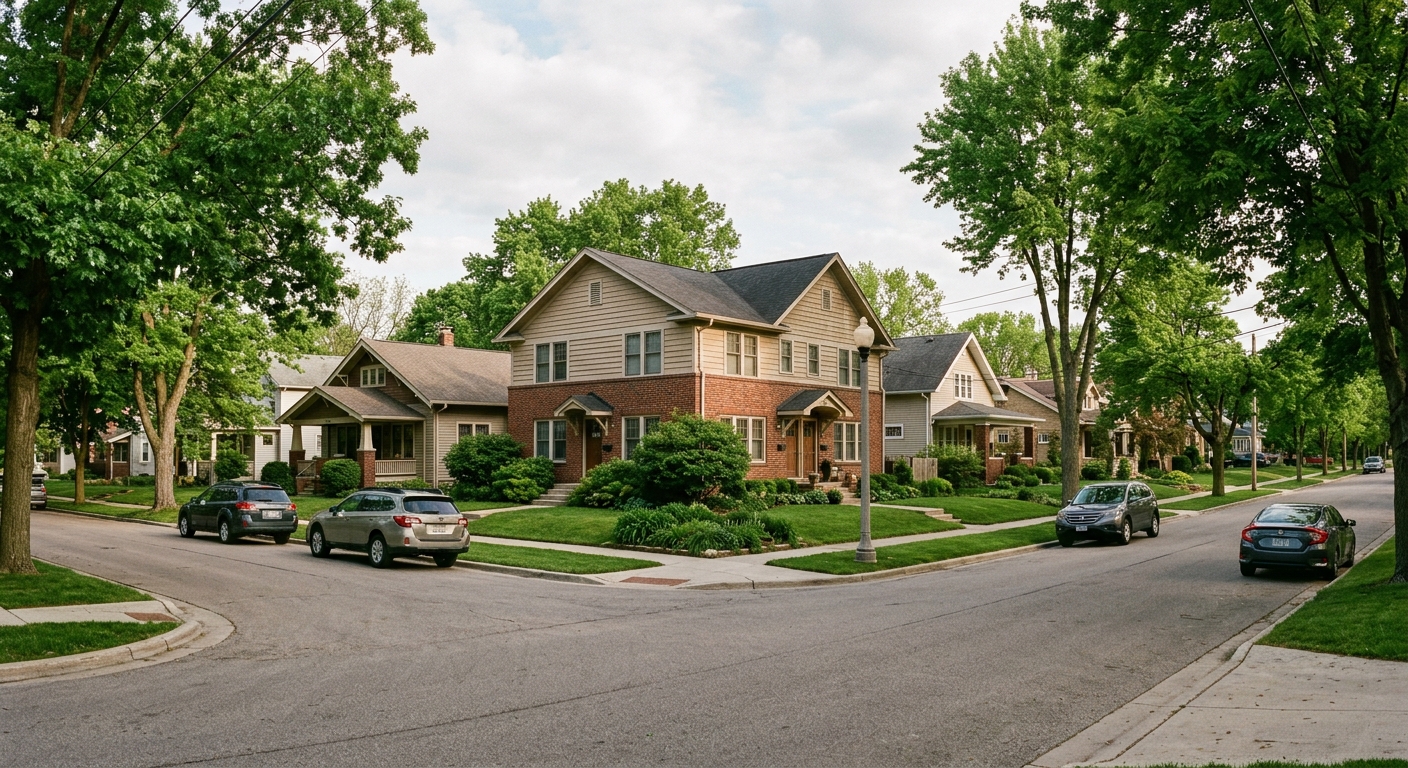
Communities such as Golden Valley, Richfield, Bloomington, and St. Louis Park are evaluating adjustments to their existing duplex zoning laws. Traditionally, these neighborhoods have been dominated by single-family homes, but city officials are now considering allowing multifamily options — including duplexes, triplexes, and fourplexes — in areas previously reserved for single-household dwellings. These steps mark a significant departure from past suburban zoning practices and reflect a growing interest in expanding multifamily housing choices to meet the needs of a changing population.
Responding to the Region’s Housing Shortage
The shift aligns with the broader ‘missing middle housing’ movement across the Midwest, as municipalities confront a notable housing shortage. By diversifying available housing types, local governments aim to offer attainable options for teachers, young professionals, and retirees alike. In particular, officials see this approach as a way to address mounting housing affordability concerns without relying exclusively on large-scale apartment development.
Balancing Growth with Neighborhood Character
While supporters of these policies argue for increased housing diversity, existing residents worry about the implications of these changes for neighborhood character. Concerns include the pace and scale of gradual redevelopment, as some community members fear potential overdevelopment or loss of local identity. Local leaders, including those in Golden Valley and St. Louis Park, have emphasized that any rezoning initiative would be measured and implemented over decades rather than through rapid transformation.
Results from Early Adopters
Initial outcomes from cities like Richfield — which adopted multifamily-friendly zoning changes ahead of other Twin Cities suburbs — suggest that changes are proceeding modestly. Only a handful of new duplexes have been built, confirming economists’ predictions that high land and labor costs will naturally constrain the speed and scale of transformation. As such, the impact on housing supply and affordability is expected to be gradual.
Community Voicing and City Process
The process of updating suburban zoning involves considerable public engagement. Golden Valley is currently conducting an in-depth study and soliciting input from residents, with a city council decision on new zoning rules anticipated later this year. Officials stress that this approach strives for a balance — aiming to provide more varied, affordable homes while respecting the established character of Midwest neighborhoods.
A Midwest Model for Inclusive Growth
The evolution of housing policy in these Twin Cities suburbs could offer a model for other Midwest regions confronting similar challenges. As cities weigh the opportunities and concerns associated with missing middle housing, the broader community conversation continues to focus on responsible growth, infrastructure planning, and maintaining a sense of place.
Observers across the Midwest will be watching closely as these suburbs move forward, integrating missing middle housing into their communities with an eye toward sustainability and inclusivity.