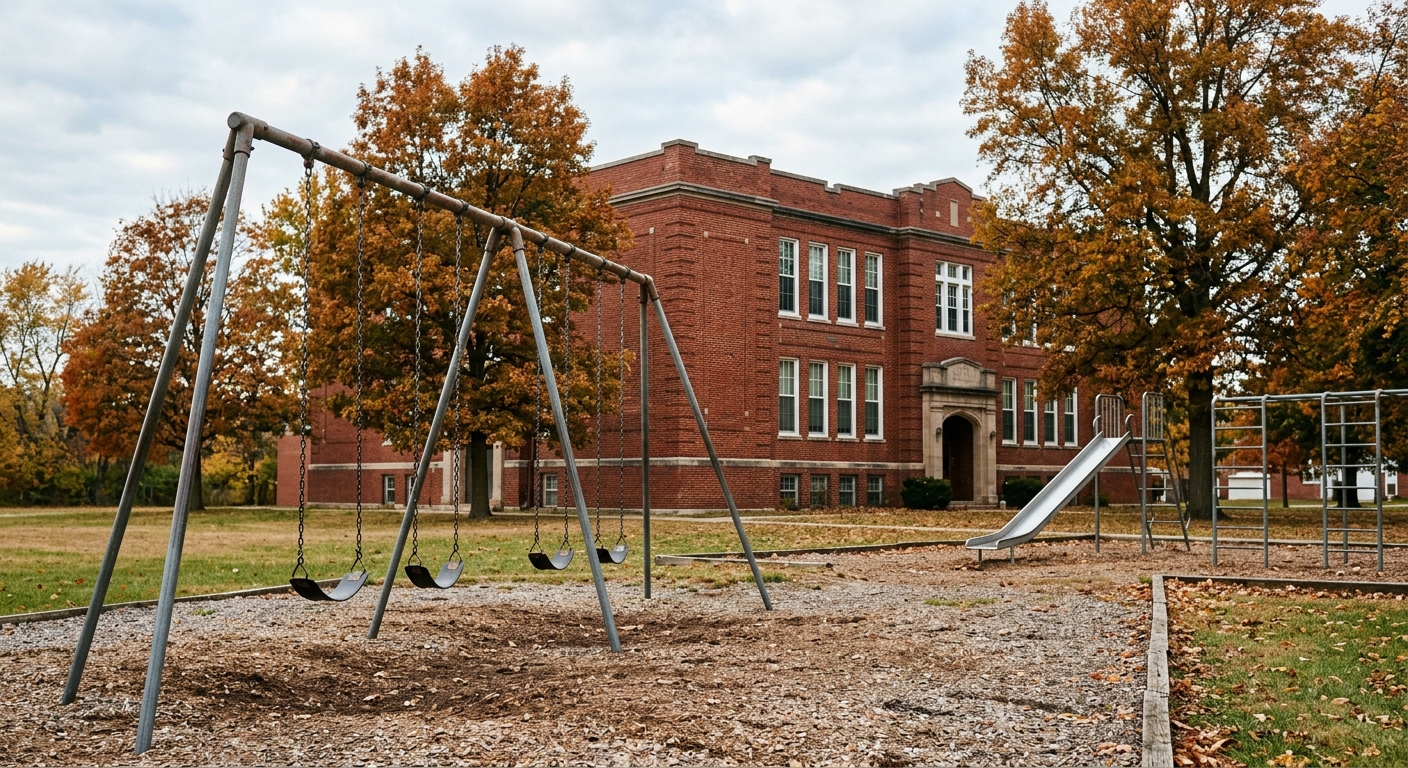
AI-generated illustration; not a photograph of the reported event.
- calendar_today October 13, 2026
Minneapolis Public Schools Faces Questions About Proposed School Closures
Minneapolis parents and families are voicing growing concerns as Minneapolis Public Schools officials consider closing as many as 16 school buildings—some of which have among the district's strongest academic results. Despite community outcry, district leaders have not explained in detail how the targeted schools were selected, leaving families and staff uncertain about what comes next.
High Test Scores Not a Factor in Closure Decisions
Three of the schools being considered for closure—Field, Howe, and Kenny—achieved math and reading test scores above the Minnesota state average, based on the latest Minnesota Comprehensive Assessment (MCA) results. However, district officials maintain that academic performance is not a driving factor in the decision to close schools, nor are they seeking significant cost savings from the closures. Instead, leaders say the goal is to create 'optimally sized' schools that can provide equitable resources and programming to all students.
Community Reaction to Lack of Transparency
The lack of specificity about the selection process has led to widespread frustration and distrust among parents. Susan Dreiling, a parent whose child attends Field Elementary, expressed that families felt blindsided by the options presented, all of which proposed closing Field and reassigning students to another school. Parents have questioned the district's rationale, particularly as some of the schools named for closure are high-performing and central to their communities.
Many parents fear that closing neighborhood schools will result in overcrowded classrooms and disrupt the progress of their children. Some have even threatened to leave Minneapolis schools if the closures proceed. The district’s communication approach and transparency have come under criticism from both parents and some school board members, leading to calls to delay any final decision.
District's Rationale: School Capacity and Enrollment Decline
Officials cite declining school enrollment as a key driver for consolidation. Minneapolis Public Schools currently serves about 30,000 students in buildings designed for 43,000, leading to underutilized facilities and ongoing budget deficits. More than half of the district's 56 schools operate below 70% capacity. The district’s funding model ties resources to enrollment numbers, meaning small schools struggle to sustain specialized staff and programming.
Joyner Emerick, a school board member, explained that building size, student population, transportation routes, and projected attendance trends were all evaluated, although the specifics of these considerations remain unclear. Deputy Superintendent Ty Thompson stated that spreading resources across too many sites undermines the district's ability to provide consistent opportunities and staffing at every school.
Advocacy and Pushback from School Communities
Community members have rapidly organized advocacy efforts to prevent school closures. Parents and students at schools such as Loring and Kenny have launched websites, posted yard signs, and worn 'Save Our Schools' shirts at district meetings. At Kenny Elementary—recently named a 2026 Minnesota School of Excellence by the Minnesota Elementary School Principals’ Association—parents question whether neighboring schools can support the increased student population without compromising academic growth or creating overcrowded classrooms.
School board members have noted that closing only lower-performing schools could perpetuate systemic inequities. Emerick stated that some low-performing schools have faced chronic disinvestment, and closing them may reinforce race- and class-based disparities.
Board Vote Approaches and Proposals for a Delay
The school board is scheduled to vote on closure options in November. Superintendent Lisa Sayles-Adams acknowledged the accelerated nature of the timeline, while a draft resolution proposed by board members Sharon El-Amin and Greta Callahan would pause school closures, mergers, or consolidations for the coming year and request an alternative plan by February if approved.
Details on Affected Schools and Future Steps
Depending on the option selected, as many as 16 schools—Anwatin, Bethune, FAIR High School for Arts, Field, Heritage Academy High School, Hiawatha, Hmong International Academy, Kenny, Lake Harriet Lower, Longfellow, Loring, Pratt, Wenonah, Cityview, Howe, and Webster—could see closure or consolidation. District data show that these schools tend to be smaller in size and enrollment, many lacking specialist facilities, pre-K classrooms, or certain special education resources.
District officials estimate a possible 5% attrition—about 200 students—if closures move forward. Some parents, including Kelly Skaalerud at Loring, plan to unenroll their children if the board approves the plan, citing an erosion of trust and lack of stability. For now, parents continue to advocate for delays and more community engagement as they await the final board decision in November.
Source: startribune.com.